JEFF HARRIS / FOOD AND DRINK STYLING BY DUNCAN FITZPATRICK

How to Identify Black Pepper Flavors in Whisky
What exactly is the source of that peppery flavor found in whisky?
April 2, 2026 –––––– Jonny McCormick
Black pepper is one of the most common spice notes in whisky, and a flavor every whisky drinker knows well. Just like pepper-forward dishes such as cacio e pepe or steak au poivre, your palate instinctively senses whether the peppery kick is in harmony. Certain whiskies, like Talisker and Bulleit, are celebrated for their pepperiness, while rye and Irish single pot still often deliver a satisfying pepper flavor as part of their signature spice notes. The bristling, peppery warmth in younger Taliskers has been linked to a combination of factors, including the use of peated malt, the lyne arm’s distinctive U-bend, the heavier spirit character arising from the use of worm tub condensers, and the distillery’s preference for American oak barrels, even if its peppery vigor mellows over time in older expressions.
Recent discoveries have led to some freshly ground ideas about the origin of black pepper notes in whisky. In 2007, researchers at the Australian Wine Research Institute identified rotundone, a sesquiterpene, as the compound responsible for the peppery aroma in shiraz. Rotundone is potent stuff: The nose can pick out its pepperiness even in low concentrations in the parts-per-trillion range. The compound is concentrated during the maceration process, leading vintners to hope this discovery could enable them to manipulate the pepperiness of their wines. After finding rotundone in peppercorns, herbs like rosemary and oregano, and even chicory coffee, scientists turned their attention to spirits.
Rotundone was discovered in oak during the search to identify a spicy, woody, incense-like aroma in oak barrels. Researchers in Illinois analyzed eight samples of bourbon, and compared them to Tennessee whiskey, rye, scotch, tequila, and rum. They were the first team to prove the presence of rotundone in bourbon using gas chromatography olfactometry, a technique that separates out volatile compounds for odor detection. During maturation, rotundone is extracted from the oak into the spirit, with longer aging resulting in higher concentrations that significantly influence the final flavor profile. Bulleit 10 year old bourbon had the highest levels of rotundone of the brands tested in the experiment. Age was not the only factor though: Bulleit rye, at around 4 years old, had higher concentrations than Weller 12 year old, a wheated bourbon, leading researchers to speculate whether the mashbill was an influence. Sadly, new make spirit from Bulleit was not tested as a control to add weight to the theory. The extraction of volatile compounds from oak staves was influenced by aging at higher temperatures, lower humidity, different American white oak varieties, and barrel size. So, next time your dram delivers a peppery punch, remember rotundone: The science behind that signature pepper note is no longer a mystery.
PUT SOME PEP IN YOUR POUR
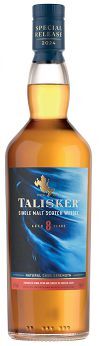
Talisker 8 year old Tidal Churn single malt scotch
Peat smoke, peppercorn, oyster shell, intense spice, vanilla fudge, sweet oak
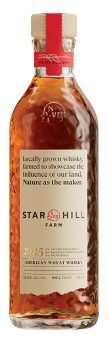
Maker’s Mark Star Hill Farm wheat (2025 Release)
Brown sugar, chocolate chip cookies, burnt wood, citrus, fruit tart, prickly pepper
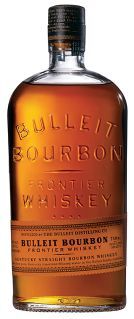
Bulleit bourbon
Maple syrup, pecan, nutmeg, black currant jelly, root beer, pepper