
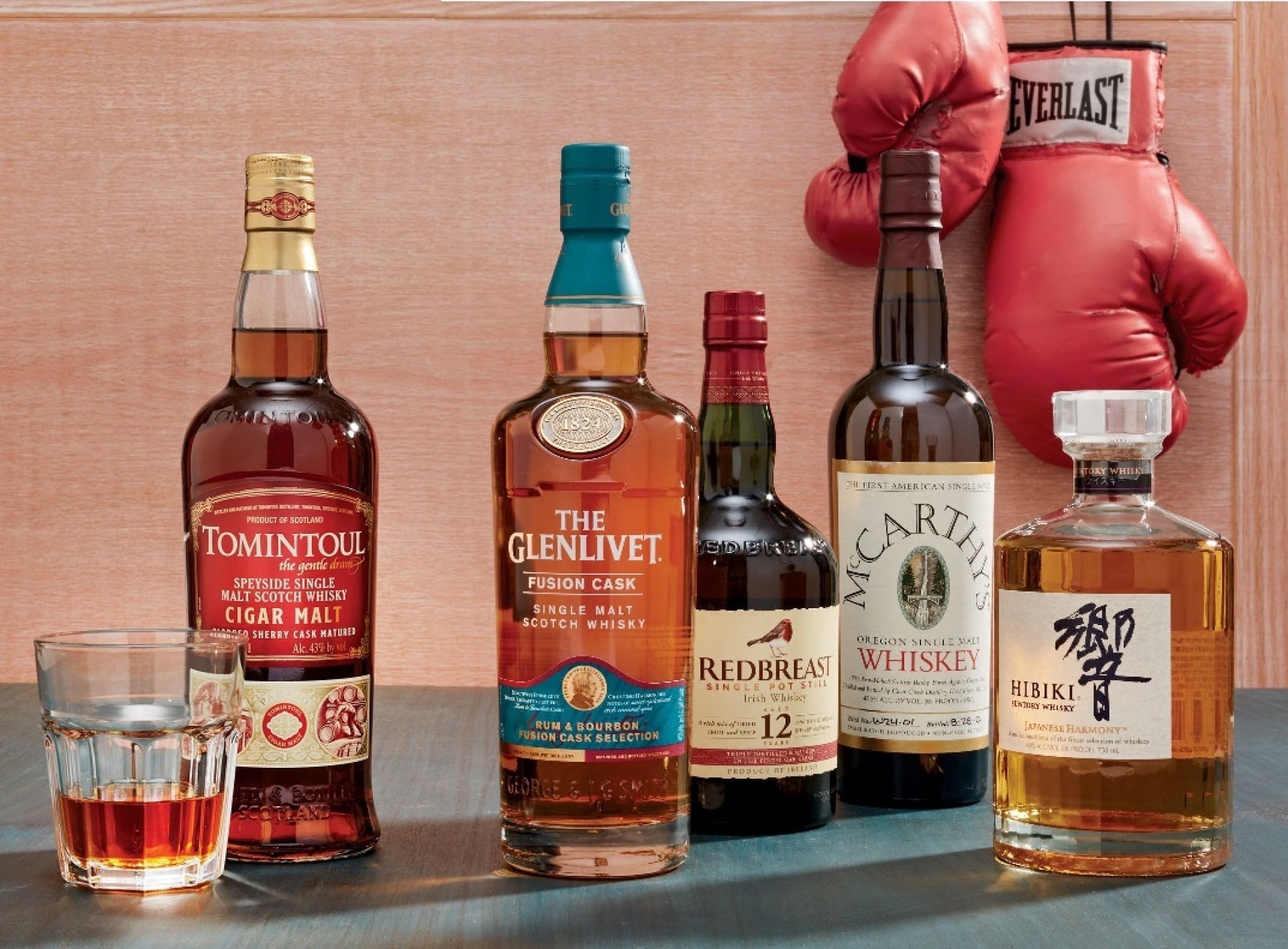
Photograph by Jeff Harris

Take a Break From High-Proof Blockbusters And Enjoy These Lighter Drams
Amid all the buzz about cask-strength and hazmat whiskeys, sometimes a lower proof expression can be delightful
February 10, 2026 –––––– Danny Brandon
American whiskey drinkers have long valued big, brawny whiskeys, reaching for barrel proof expressions that can hover around 60% alcohol by volume (ABV). More recently that attraction has been taken to the next level, with the rise of so-called “hazmat” whiskeys (bottled at 70% ABV or higher) like Elijah Craig Barrel Proof Batch 6, Jack Daniel’s Coy Hill 2022, and A. Smith Bowman Cask Strength Batch 2. This fascination has also spilled over into other parts of the whisky world—like Scotland, Ireland, and elsewhere—with independent bottlers offering single cask whiskies at cask strength and enterprising distillers cranking up the proof for special releases.
Amid all the excitement about cask strength expressions, it’s easy for some to overlook all the great whiskies that are bottled at far lower proofs. There’s an understandable reason for that. Conventional wisdom holds that proof equals flavor, with the highest-strength whiskies delivering explosively delicious notes and the lower-strength ones lacking in depth, texture, and flavor. While that wisdom sometimes rings true, it’s by no means a universal law. Not all high-proof whiskies are created equally, and some producers, especially at the smaller scale, use high proof points as a smokescreen, hoping that the alcohol content will obscure defects in the whisky.
By contrast, there are plenty of low-proof whiskies that punch far above their weight class. Though less fashionable than their barrel proof counterparts, these beauties continue to dazzle drinkers and gain acclaim from even choosy whisky lovers. They can be compared to great featherweight boxers and prizefighters who captivate audiences with lithe agility and supreme gracefulness instead of pure punching power.
American Beauties
There was once a point in whiskey history when low-proof expressions were the norm. Back in the 1960s and ’70s, when vodka became king of the liquor realm, whiskey distillers tried to stay competitive by trading in their bonded bourbons for lower-proof offerings of around 40%–43% ABV. These days, 45% has been adopted as a sort of unofficial “standard” proof, with many popular whiskeys bottled at or higher than that level. Lower-proof whiskeys have become less prevalent, though very much still in the game. Many popular brands have 80–86 proof core-range expressions, including Jack Daniel’s Old No. 7, Jim Beam White Label, George Dickel Classic Recipe, Evan Williams Black Label, Four Roses Yellow Label, Wild Turkey 81 proof, and Buffalo Trace’s Ancient Age and Benchmark No. 8.
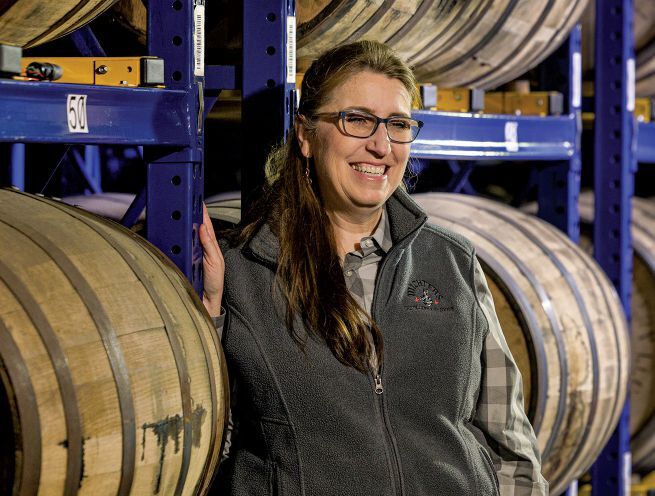
Many of those whiskeys are intended as entry points into a distillery’s wider portfolio. But fan-favorite Michter’s takes things further than that. Low proof points are a cornerstone of the Kentucky distillery’s style: Its flagship US*1 series counts four expressions, three of which are proofed at or below 43% ABV—including a notable 42.4% single barrel rye, which scored 91 points with our tasting panel. According to master of maturation Andrea Wilson, Michter’s process revolves around “producing beautifully aged, rich, flavorful whiskeys that can be savored and enjoyed without the intensity of a high proof whiskey.” She argues that, while proof does underpin flavors, it isn’t a requirement for complex or flavorful whiskeys.
Michter’s master distiller Dan McKee and Wilson have a number of methods that help create flavorful low-ABV whiskeys, but they say that the most crucial one is using a low barrel-entry proof. All of Michter’s whiskeys are proofed down to 51.5% ABV before they enter a barrel, much lower than the legal limit of 62.5%. The process requires a fair bit of water; by McKee and Wilson’s estimates, each barrel contains about 25% water by volume. “With more water in the barrel, it allows the water to become part of the aging process, as water is a powerful hydrolyzer for wood sugars and other soluble compounds,” says Wilson. “After full maturity, the whiskey comes out of the barrel at lower proof, requiring less water at bottling.” To support the process, Michter’s places a lot of focus on picking the right barrels, homing in on wood that has been open-air seasoned for 18–60 months, with variable toast/char profiles to the barrel.
Another prominent player in the low-proof arena is James B. Beam Distilling Co. Beam is best known among aficionados for its heavy-hitting expressions like Baker’s, Booker’s, and Little Book, but the distillery’s Basil Hayden label moves in the opposite direction. When legendary master distiller Booker Noe first launched Basil Hayden in 1992, the goal was to make an approachable bourbon that could convert non-whiskey drinkers. He went about that by using a high-rye mashbill to introduce spicier notes and bottling at 40% ABV for a smoother profile. The Basil Hayden label now includes ryes and blends alongside bourbon, but it has kept the trademark 40% ABV proof point. Some of the expressions have been hit or miss, but the brand’s recent releases have been high quality, with Toast bourbon, 10 year old bourbon, and Malted rye all etching 90-point ratings with our tasting panel.
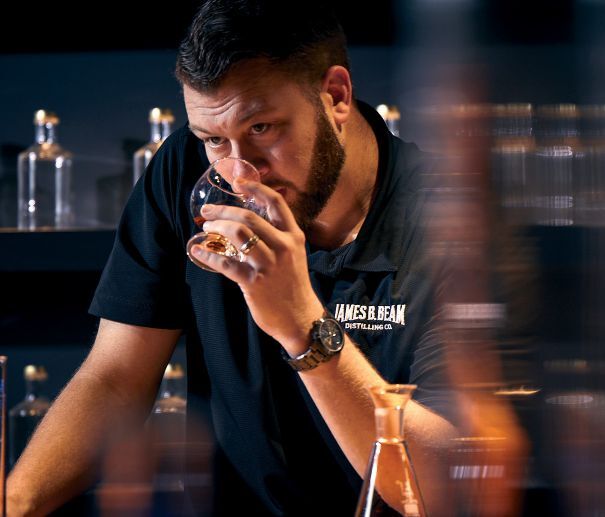
Interestingly, Beam’s proofing philosophy is almost the exact opposite of the one used by Michter’s. According to master distiller Freddie Noe, the secret lies in limiting how much water is used throughout the process as much as possible. He starts off by ensuring that the fermented mash is as flavorful as possible, using high-quality corn and one of the distillery’s house yeast strains, which is also used to make Old Grand-Dad. After that, Noe aims to get the distillation proof as close to his barrel entry proof as possible, thereby drastically reducing the amount of water added to the whiskey before aging. “Otherwise, you’re basically proofing the whiskey twice,” he argues, stating that aging with a high water content can muddle desired flavors and create off-notes. For Basil Hayden specifically, the distillate comes off the still at 120 proof and is cut to 115 prior to barreling. After the whiskey comes of age, it’s brought down to its final proof of 40%.
Single Malt Stunners
Elsewhere in the whisky world, expressions are generally lower in strength than those produced in the U.S. Primarily in Scotland, single malt producers tend to proof their whiskies to around 43%–46% ABV. But some distillers go even lower—working their magic to create 40% ABV whiskies with both depth of flavor and grace. A running theme with most of these superb 80-proof single malts is cask finishing, which can help bolster mouthfeel while adding deep flavors.
A great example is scotch whisky maker Dalmore, which counts several 40% ABV single malts in its Principal Collection core range. Despite their lower strength, Dalmore’s whiskies are characterized by a full mouthfeel and lush red fruit notes, which are often credited to master blender Richard Paterson’s skill with wine casks. For these expressions, Dalmore generally leans very heavily into sherry casks, its 12 year old sporting an oloroso finish while the 15 year old is finished in a mix of matusalem, apostoles, and amoroso sherry. But expressions like the highly sought-after King Alexander III take things to the next level, sporting six finishes including bourbon, matusalem oloroso, madeira, marsala, port, and cabernet sauvignon.
Speyside distiller Aberlour follows a similar method. The distillery has gained acclaim for its high-scoring cask strength A’Bunadh expressions, but its core range is dominated by 40% ABV age-stated single malts—including a notably impressive 92-point 12 year old, which our panel found to have a full and flavorful profile despite its low proof. Aberlour distills its whisky from locally grown barley and primarily focuses on double-cask maturation, aging in both bourbon barrels and oloroso-seasoned Spanish oak casks. Aberlour’s whiskies are generally lithe on the palate and well-balanced, showcasing a fair amount of chocolate and spice notes coming from the Spanish oak, alongside vanilla and sweet fruits.
In Ireland, single malt distiller Bushmills also pairs low-proof whiskey with interesting cask combinations to great effect. The entry-level 10 year old (90 points) is aged in both bourbon and sherry casks; that serves as the standard maturation barrel arrangement for the majority of Bushmills core-range single malts, which layer in interesting finishes. The 12 year old (93 points) features a 6–9 month-long marsala finish, while the 16 year old (90 points) spends around 9 months in port pipes. The brand’s top-scoring 40% ABV whiskey is the wickedly impressive 21 year old, a 96-point beauty that was finished in madeira casks for 2 years.
Blended Scotch Gems
Historically, blended scotch has been something of an overlooked category for aficionados. Some complain that, at an average strength of 40%, many of them lack the depth to hold up to their single malt cousins. But modern blenders are making strides to change that perception, crafting quality low-proof blends that can impress even the most discerning palates.
Blended scotch titan Johnnie Walker typically bottles its whisky at 40%, including popular expressions like Black Label, Gold Label Reserve, and the much-revered Blue Label. Part of that growing list is one of the brand’s latest additions: Black Ruby, a 92-point stunner that expands on the Black Label recipe by leaning into red wine casks seasoned with PX and oloroso sherry. But occasionally, Johnnie Walker will travel slightly north of 80 proof for particular releases. One such expression is its core-range blended malt Green Label, a 90-point vatting of single malts from Talisker, Linkwood, Cragganmore, and Caol Ila bottled at 43%. Other 86 proof examples include Ice Chalet (92 points)—a blend of whiskies from high-altitude distilleries including Dalwhinnie, Clynelish, and Brora—and Elusive Umami (93 points), both of which are part of the brand’s Blue Label collection.
Fellow scotch juggernaut Dewar’s has also made some impressive moves in the 40% ABV space. Scoring 93 points with our panel, Dewar’s 25 year old Signature Edition leans on ultra-aged stocks to deliver a flavorful chocolaty profile. There’s also the Dewar’s Smooth line, a series of whiskies that pairs 8 year old liquid with interesting cask finishes like mizunara, calvados, rum, and mezcal. But the real champion among them is the newly revamped Dewar’s 12 year old, released in 2022. This expression keeps the same blending formula as the original version, accounting for 40 single malt and grain whiskies, and finishes it for 3 months in bourbon barrels; an idea that master blender Stephanie Macleod got from her previous work on Dewar’s 19 year old Championship Edition 2021. “We’ve amplified those toffee and vanilla notes—the sweeter notes, the creaminess of the whisky— and brought them to life,” says Macleod. “The whisky is more unctuous, it’s chewier. On the palate, you feel like you’ve really got something.” The final product scored an impressive 94 points with our tasting panel and was named our No. 4 whisky of 2022. And at just $30, it’s practically a steal.
Championship Contenders
High scorers between 40% and 43%, listed from lowest ABV to highest
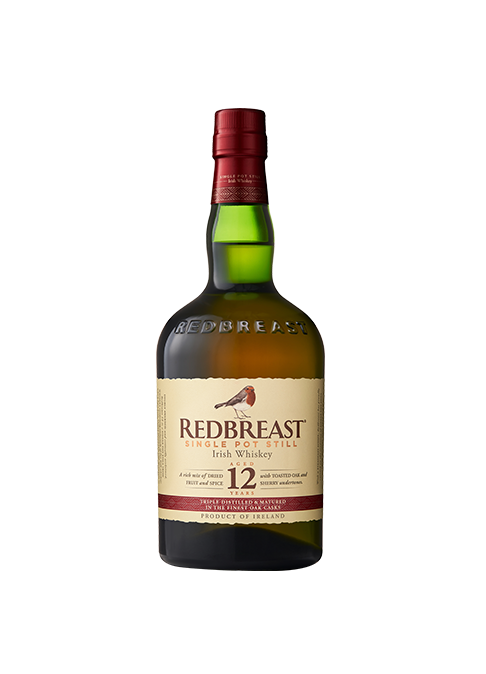
96 Redbreast 12 year old Irish single pot still, 40%, $62
Silky toffee, marshmallow, nougat, and raisin bread

94 Dewar’s 12 year old blended scotch, 40%, $30
Honey, vanilla, and apricot

93 Bushmills 12 year old Irish single malt, 40%, $60
Rich dark plum, sultana, damson jam, and grilled peach

91 Dunville’s 1808 Irish blend, 40%, $30
Honey, aniseed balls, citrus, vanilla, and mandarin

93 Glenlivet Fusion Cask Bourbon & Rum Barrel Finish scotch single malt, 40%, $100
Tropical, with grilled pineapple and coconut, plus vanilla custard
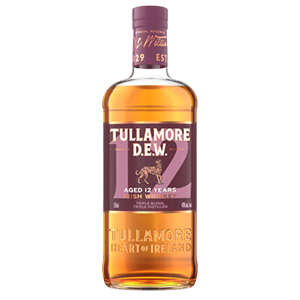 91 Tullamore D.E.W. 12 year old Special Reserve Irish blend, 40%, $40
Creamy toffee, ripe yellow banana, and cinnamon stick
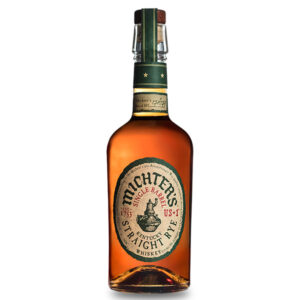 91 Michter’s US*1 Single Barrel rye, 42.4%, $50
Jammy fruits, brown sugar, and coffee
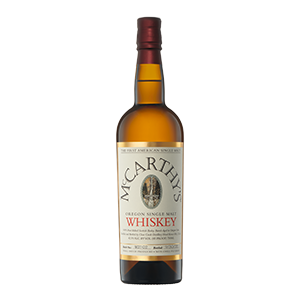 92 McCarthy’s 3 year old American single malt, 42.5%, $65
Campfire smoke, spice, and mint
.jpg)
92 Balvenie 14 year old Caribbean Cask Rum Cask scotch single malt, 43%, $75
Rum-soaked fruitcake, raspberry coulis, and Nutella

92 Fuji Japanese blend, 43%, $70
Dried mango, caramel, and grapefruit peel
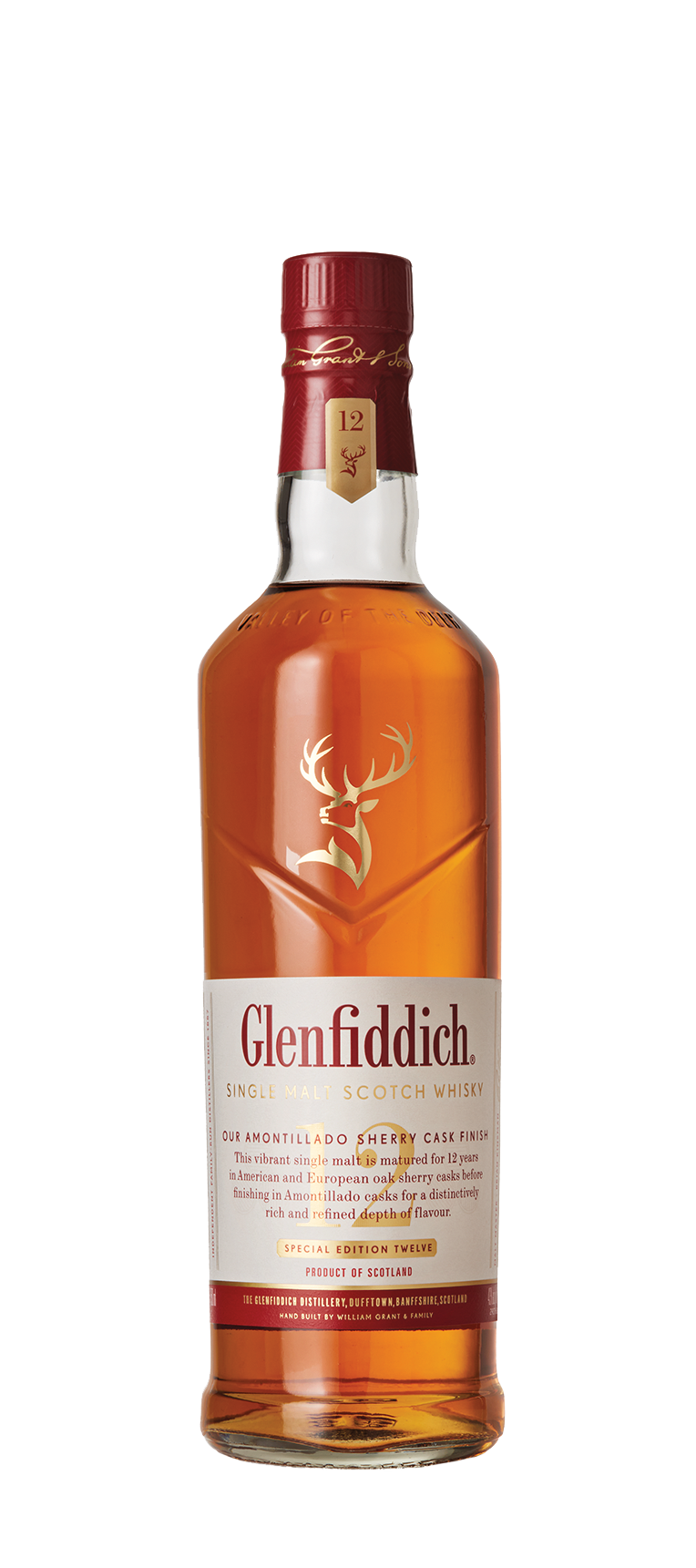 93 Glenfiddich 12 year old Amontillado Sherry Cask Finish scotch single malt, 43%, $55
Orchard fruit, rich oak, and drying spices

92 Hibiki Japanese Harmony Japanese blend, 43%, $100
Coconut flakes, lemon meringue, cherry tart, and blackberry jam
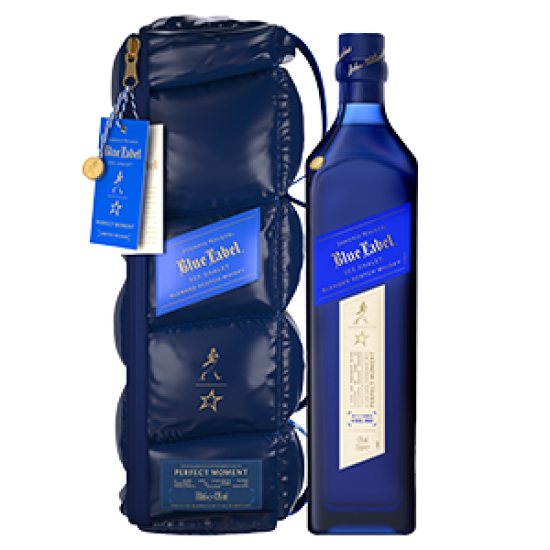 92 Johnnie Walker Blue Label Ice Chalet blended scotch, 43%, $350
Vanilla fudge, honeycomb, aniseed, and blueberry

94 Tomintoul Cigar Malt Oloroso Sherry Cask scotch single malt, 43%, $75
Vanilla ice cream, jelly doughnut, ash, and chocolate

93 Yamazaki 12 year old Japanese single malt, 43%, $85
Honey, soft spices, crystallized pineapple, and lemon

.png?resize=410x0)
