
5 Cristalino Tequilas to Try
Cristalino expressions blend the beauty of barrel aging with the crisp agave essence of blanco
January 20, 2026 –––––– Laura Pelner
Though it’s largely misunderstood, cristalino tequila has a growing fan base among aged spirits aficionados. Tequila varieties like blanco, reposado, and añejo are more established, but cristalino is rising as drinkers look to explore the world of agave spirits. And tequila makers are taking note: upward of 20 cristalinos have launched in the last three years.
Cristalino is a relatively new style, debuting less than 20 years ago. By comparison, añejo has roots that are more than 100 years old, and reposado dates back at least 50 years. All of tequila’s officially recognized variants are based on how the spirit is aged. Blancos are often unaged, but can rest in stainless steel or oak for a maximum of 2 months; reposados are required to age in oak barrels for at least 2 months and up to 1 year; añejo rests in oak for 1 to 3 years; and extra añejo ages in oak for at least 3 years. These primary variants are recognized by the Consejo Regulador del Tequila (CRT), Mexico’s governing body for tequila that maintains production and quality standards.
What is Cristalino?
Cristalino is not yet recognized by the CRT as a variant, but it’s gaining momentum. It’s made with a base of barrel-aged tequila—usually añejo or reposado—that’s filtered to remove the color and some wood compounds acquired during aging. Usually, distillers filter cristalino through charcoal or activated carbon, which strips the brown hue but leaves much of the flavor intact. In addition, the filtration process reveals some of the agave flavors in the liquid that are mellowed by aging. For legal classification purposes, cristalino is registered under the category of its base spirit: reposado, añejo, or extra añejo.
“Cristalino is an aged tequila that has been filtered for color-stripping without impacting the rich flavors and textures imparted by the barrel,” says Maestro Dobel master distiller Alex Coronado. “The result is a tequila that has the complexity and character of a matured tequila with the crisp, bright notes of a blanco.”
Cristalino's Short History
Maestro Dobel is often credited with creating the first cristalino, having launched Dobel Diamante in 2008. This expression is made with a blended base of extra añejo, añejo, and reposado that is aged in white oak barrels from the Balkan region of Eastern Europe, and it’s filtered using a proprietary process to remove color from the liquid without sacrificing flavor, aroma, or body. Maestro Dobel founder Juan Domingo Beckmann, an 11th-generation member of the Cuervo family, created Dobel Diamante to appeal to Mexican tequila drinkers who were embracing upscale cocktail culture. Maestro Dobel has since added a second cristalino, the higher-end Dobel 50 cristalino extra añejo expression.
“The beauty of cristalino is that it’s complex enough to be enjoyed in any context: neat, on the rocks, or in a variety of cocktails to showcase its versatility,” Coronado explains.
Don Julio was also an early entrant into the cristalino space, having debuted its Don Julio 70 in 2012. This expression was among the first in the category to use only añejo made with 100% blue Weber agave as its base instead of a blend of aged tequilas. The brand ages its añejo for at least 15 months in American white oak, and then charcoal filters it to achieve a crisp agave flavor.
“Aging develops complexity, body, and warmth, characteristics of tequila that you simply can’t get any other way,” says Don Julio’s Karina Sanchez. “The filtering isn’t meant to erase that; it’s meant to reveal a new facet of it. It’s extremely versatile. Its smoothness makes it exceptional for sipping neat or on the rocks, but its brightness and balance also shine in refined cocktails.”
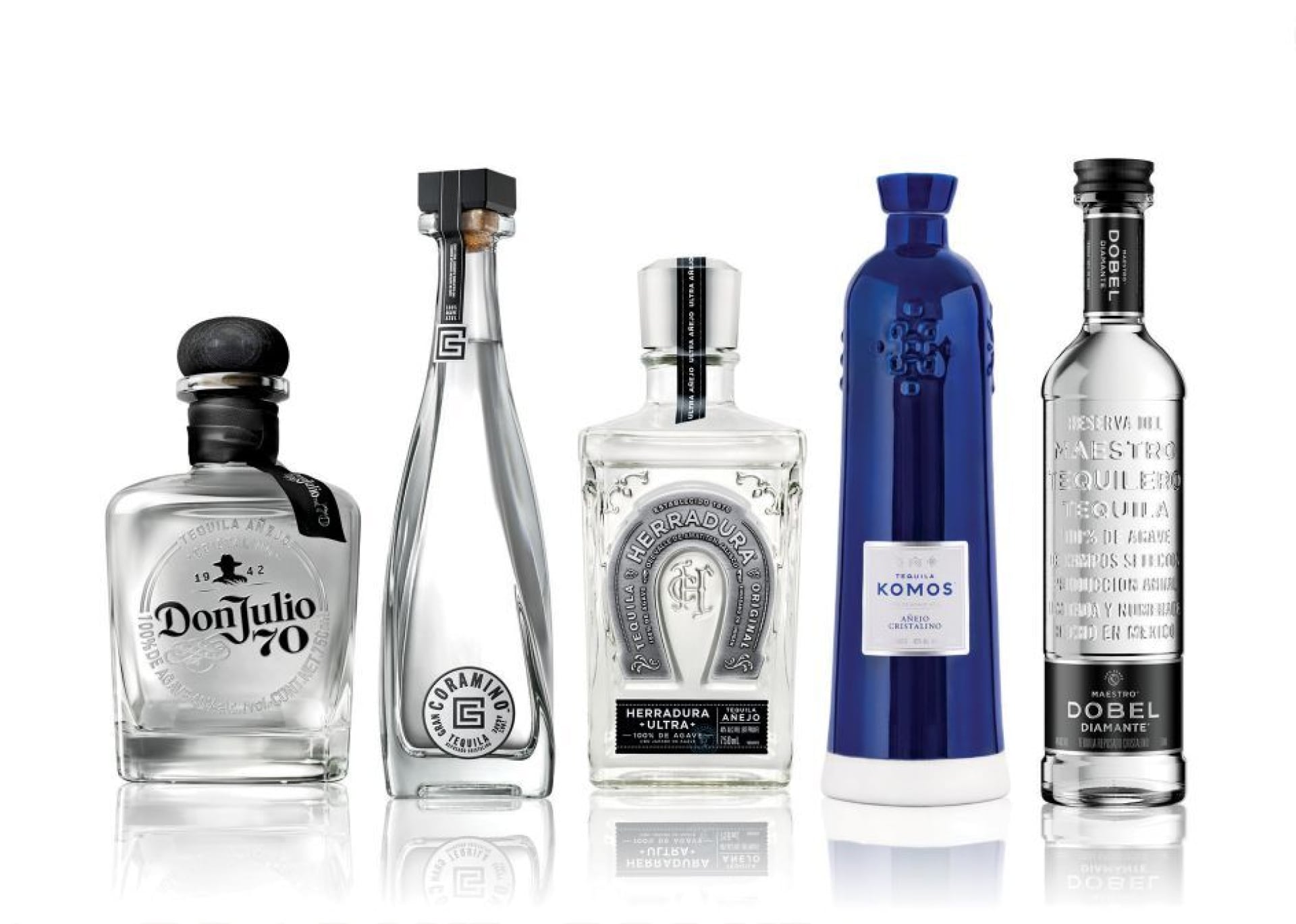
5 Cristalino Tequilas to Try
Dobel Diamante, 40%, $59
A blend of reposado, añejo, and extra añejo 100% agave tequilas that are aged in new white oak from Eastern Europe and then filtered to produce a crystal-clear liquid.
Don Julio 70, 40%, $70
A pioneer for its use of only 100% blue Weber agave añejo as its base, this ages for 18 months in American white oak and undergoes charcoal filtration.
Gran Coramino, 40%, $50
Launched in 2022 by actor Kevin Hart and tequila-maker Juan Domingo Beckmann, a member of the Cuervo family. This has a reposado base, ages in Eastern European oak, and finishes in California cabernet sauvignon casks before filtration.
Herradura Ultra Añejo, 40%, $60
Aged for 12 months in American white oak, but agave nectar is added before charcoal filtering, which sweetens the flavor profile.
Komos Añejo, 40%, $130
Aged for a minimum of 1 year in French oak white wine barrels, then dripped through activated charcoal. The brand also employs an aeration tumbling procedure for increased smoothness.