.png?resize=1920x0)
.png "Pin It")
A Different American Oak
Chinquapin brings familiar flavors, plus subtle spice
August 25, 2026 –––––– Danny Brandon
Chinquapin (Quercus muehlenbergii, sometimes spelled “chinkapin”) is a species of white oak that’s native to North America, growing primarily in the Central and Northeastern U.S. and in parts of Canada and Mexico. It’s a not-so-distant relative of the much taller American white oak (Quercus alba), which is widely used by coopers to make whiskey barrels. By contrast, chinquapin is a far rarer option in the whisky world, but it’s one that’s been gaining popularity in recent years, with whisky makers around the world using it for both maturation and finishing.
Distillers say that chinquapin generally offers flavors similar to American white oak, though it has a higher tannin content and can contribute spicier notes alongside hints of butterscotch, roasted chestnuts, and coffee; flavors similar to those derived from French oak. Many distillers tend to treat the oaks similarly, opting for a long open-air seasoning to leach out excess tannins and applying a heavier toast paired with a relatively low char to preserve and amplify the spicy and nutty flavors.
Considering its North American provenance, you’d think that American distillers would have been the first to use it, but some of the earliest pioneers were in Scotland. Glenmorangie began experimenting with the wood in the early 1990s, exploring non-standard oak types—including chinquapin, burr, swamp, and truffle—for maturation. In 1993, the distillery began filling casks made from these oaks to determine whether any had a discernible impact on flavor. When director of distilling Dr. Bill Lumsden joined Glenmorangie in 1995, he found that while there were some differences, they weren’t exactly earth-shattering. Eventually, the whiskies were bottled in the early 2000s as single cask exclusives for World of Whiskies at London’s Heathrow Airport.
Another scotch distiller using chinquapin is GlenAllachie. It tends to employ chinquapin as a finishing cask for some limited-edition bottlings, including its 10 year old and 12 year old Chinquapin expressions released in its Virgin Oak Series. Occasionally, chinquapin also pops up as a maturation barrel, often paired with some type of sherry cask, with notable examples including 2021’s 30 year old Cask Strength Batch 1 (a blend of single malts distilled in 1989 and 1990) and one of the 2014 vintage Sinteis releases. On the smoky side, the distillery’s Meikle Tòir label offers a chinquapin-finished single malt with a fairly heavy peat level of 35 ppm. Master distiller Billy Walker prefers to work with virgin chinquapin casks made from trees grown in the Ozarks of Missouri, air seasoned for nearly four years, and given a medium toast. In our blind tastings, we’ve found that the chinquapin seems to make a difference, often showing more pronounced notes of butterscotch, toasted nuts, and ginger on the palate, with lingering spices on the finish.

In recent times, as more producers explore interesting barrel options, chinquapin oak has caught on with distillers elsewhere. Irish whiskey makers have employed it for maturation rather than finishing, including Teeling for its Wonders of Wood series and Rademon Estate’s Shortcross Rye & Malt. A few big-name American distilleries have also started to experiment with it, including Buffalo Trace for its Old Charter Oak series, Woodford Reserve in its Master’s Collection Sweet Oak expression, Angel’s Envy Triple Oak, and Michter’s in its Bomberger’s Declaration and certain batches of Shenk’s Homestead.
A particularly interesting case lies with Heaven Hill, which released a trio of chinquapin oak-aged whiskeys late last year. These were the first whiskeys in the Specialty Barrel Series, a spin-off of its Grain to Glass line that spotlights maturation in uncommon oak types. Master distiller Conor O’Driscoll chose chinquapin for its relatively familiar flavor profile. “It’s not a huge departure from aging in white oak,” he said, noting that the chinquapin brings more wood spice to the table. “But it is a nice tangent and exploration.” For this release, he used virgin chinquapin barrels with a No.-3 char and dialed the entry proof down to 107 from the usual 125 to break up some of the heavier tannins.
Chinquapin Whiskies to Try
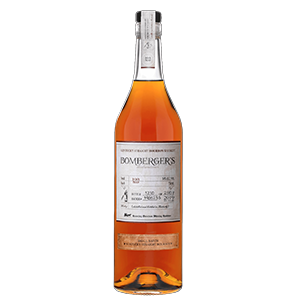 93 points - Bomberger’s Declaration Small Batch Bourbon (2025 Release), 54%, $120
Aged in chinquapin oak air-seasoned for 18 months to 5 years
Toasted vanilla bean, maple syrup, black pepper spice, and chocolate
 93 points - GlenAllachie 2014 The Sinteis Series Speyside Single Malt (Part 1), 57.8%, $120
Matured in virgin chinquapin and PX sherry casks
Clove, gingerbread, chocolate praline, and candied lemon
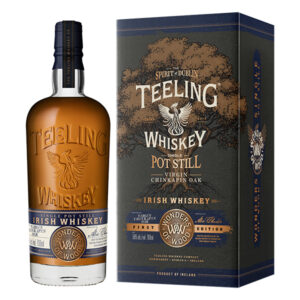 93 points - Teeling Wonders of Wood Virgin Chinkapin Oak Irish Single Pot Still, 50%, $99
Fully matured in virgin chinquapin oak
Roasted chestnuts, cloves, savory oak, and pecans
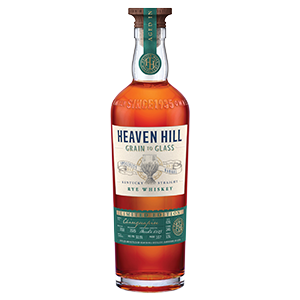 92 points - Heaven Hill Grain to Glass Specialty Barrel Series: Chinquapin Rye, 53.5%, $129
Fully aged in No.-3 char chinquapin oak
Dill, nougat, chocolate-covered espresso beans, and toasted sugar
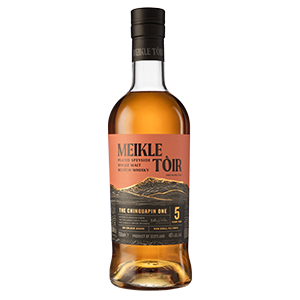 92 points - Meikle Tòir 5 year old The Chinquapin One Speyside Single Malt, 48%, $75
Finished in virgin chinquapin oak casks
Wood spice, burnt sugar, honeyed granola, and roasted spices
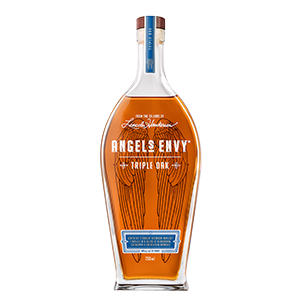 90 points - Angel’s Envy Triple Oak Finished Bourbon, 46%, $75
Finished in first-fill chinquapin, first-fill French, and second-fill Hungarian oak
Spiced oak, cherry cordial, dried fruit, and brown sugar