
Jacob's Pardon's First Bourbon Took 73 Trial Blends. The Result Is Delicious
F. Paul Pacult combined bourbon from three distilleries in three states. Then he had to decide when to stop tinkering
October 26, 2026 –––––– Sean Evans
Jacob Pardon master blender F. Paul Pacult worked through 73 trial blends over five weeks for the brand’s first bourbon—and he kept coming back to blend number 46, time and again. Still, he pressed on. “I can find something better than 46,” Pacult recalls thinking. After 27 further attempts, he realized, “I could not.”
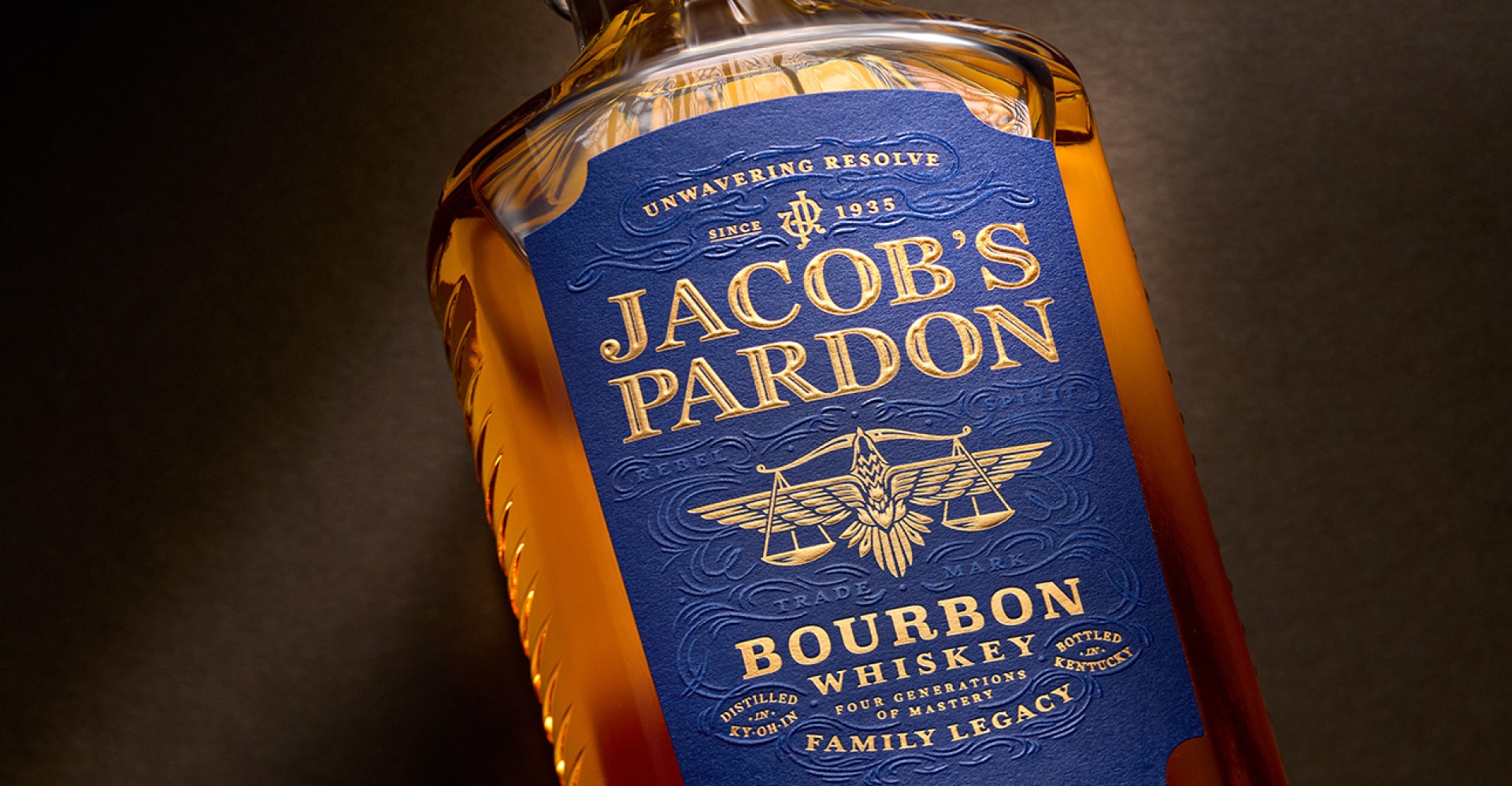
The result is Jacob’s Pardon bourbon, a nationally available, four-grain, 90-proof blend priced at $60. Its components come from MGP in Indiana, Jackson Purchase in Kentucky, and Middle West in Ohio. Pacult calls it “an ultimate heartland whiskey. I wanted to find a bourbon that would be a crowd pleaser, but I also wanted it to be very individual,” he said.
As Whisky Advocate reported when Jacob’s Pardon launched in 2020, Marc D. Taub, president and CEO of Palm Bay International (Jacob’s Pardon’s parent company), and his son Jake built the brand around presidential pardons granted to their bootlegging relatives. The family chose sourcing and blending over building a distillery, extending its earlier history in rectifying. Earlier releases included an 18 year old American light whiskey and a blend incorporating Tennessee whiskey.
“But the American whiskey business centers around bourbon,” Taub says. “And that needs to be something we offer, though if we enter the bourbon category, we wanted to have something that was a bit different.” So, he tapped Pacult to assemble it. Pacult, a longtime spirits writer and alcohol consultant who’s worked with brands like Louis XIII cognac, said that “bourbon’s a funny animal, because it can be disappointing at times” by not having enough character. He sought character without sacrificing versatility—something that must work in a cocktail without overlooking neat pour enthusiasts.
“The MGP was the foundation,” Pacult says, noting that its 7-year bourbon appeared in every trial batch to establish the blend’s backbone. “It was easy to build upon that.” Next came 4-year high-rye bourbon from Jackson Purchase, “which is the one that brings the fruit,” he says. “I kept coming back to black cherry and black raspberry.” Middle West’s 4 year old wheated bourbon added silkiness as Pacult gave mouthfeel as much consideration as flavor.
Pacult melded the components in varying amounts throughout the blending process, with Pacult’s wife, Sue, having a hand in the final selection. “She’s not a bourbon enthusiast, but she walked into my office and said, ‘What is that fantastic aroma?” he recounts. That sample was number 46. “I did the blending, but Sue did the confirmation,” he quipped.
The combined grain recipe is 72% corn, 16% rye, and 6% each wheat and malted barley. “So does the corn dominate? No, I don’t think so,” says Pacult. He’s correct. The final blend is well-balanced, with none of the individual elements shouting down another. It has ample dark fruit on the soft, sweet nose, plus a light rye spice. It’s got an appealing candy bar vibe, with caramel, chocolate, and malt notes rising.
It’s an easy sipper, with a velvety mouthfeel and a light grip. On the palate, more candy bar mingles with black raspberry and stone fruit. The medium-length finish brings dark chocolate and cherry. Pleasing as a neat pour and sturdy enough for a cocktail, it delivers on Pacult’s original brief. Number 46 was the ideal iteration. The other trial blends only helped him realize it.