JEFF HARRIS

The Art of Creating Scotch Blends
Single malt scotch takes blending skill, but blends are far more complex
April 21, 2026 –––––– Jonny McCormick
Blended scotch swept the world in the 19th century and remains the most globally popular scotch style to this day. But in the 21st century, blends have been pushed out of the limelight by single malts, which have long since had their share of attention. Blends might get the sales, but single malts get the snob appeal, despite all the intricacies involved in creating a quality blended scotch.
Most major blends are made from complex recipes that include several grain whiskies and as many as 40 malts or more, although some blended expressions use far fewer. Grain whiskies dominate the final mix at 65-80% of the total, versus 20-35% for the malts. The precise recipe of blended whisky is nearly always a proprietary secret, thanks to the rules of the governing Scotch Whisky Association (SWA). A decade ago, Compass Box founder John Glaser launched a campaign to change those rules and allow whisky makers to disclose a blend’s age and recipe. The SWA rejected the idea, and today scotch whisky makers are allowed to publicize only the age of the youngest whisky on the label, ostensibly to prevent producers from hyping an older whisky that’s a very small portion of the final product. But Compass Box found a legal loophole whereby information about the recipe could be provided upon request. Nowadays, the Compass Box recipes are just a click away on the company’s website. But despite what appeared to be a pioneering shift at the time, none of the major blended whiskies followed suit. Today, most blended scotch recipes remain a closely guarded secret— not even the overall malt-to-grain ratio is disclosed.

The world of blended scotch is led by famous legacy names like Chivas Regal, Dewar’s, Ballantine’s, and Johnnie Walker with its core Red, Black, Double Black, Green, Gold, 18 year old, and Blue expressions. But there are non-legacy whiskies very much worth pursuing, led by Compass Box, which was founded in 2000. A more recent arrival is Ardray from Suntory, introduced in 2023 and made with a technique inspired by Japanese blending. The Sassenach, from Scottish actor Sam Heughan and created in collaboration with Loch Lomond master blender Michael Henry, was launched in 2020. There’s also Maclean’s Nose, a value-priced, high-malt blend from Scottish independent bottler Adelphi. Wolfcraig, made by master blenders Richard Paterson and Ian Macmillan, was first introduced in 2023 and has thus far offered an array of ultra-aged limited expressions including 14 year old, 30 year old, 33 year old, and 35 year old.

Fun With Flavors
One way blends have become more creative is by capturing flavors and taste profiles beyond the normal whisky realm. The dessert-style Brûlée Royale blended malt from Compass Box evokes the flavor of crème brûlée. Johnnie Walker Black Ruby offers the fruity character of red berries, aiming to create a playful, fruit-forward flavor profile. Famous Grouse Smoky Black serves a more peaty, smoky twist on the core expression. The Compass Box Extinct Blends Quartet was designed to revive the flavor profiles of older, long-vanished whisky styles. Cask finishing, of course, can play a big role. The Dewar’s 8 year old range features cask finishes in rum, mizunara oak, ruby port, and calvados casks, while Royal Salute and Chivas Regal also use amarone, port, tequila, and Irish whiskey casks, all designed to take blends in a different direction.
Evoking Single Malts
Blended scotch expressions have wooed single malt drinkers by anchoring a blend to a distinct distillery style, either by including that distillery’s whisky or using its casks for finishing. Ballantine’s Signature Distillery series has featured malts including Miltonduff and Glenburgie, while Johnnie Walker Ghost & Rare has highlighted whiskies from Brora and Port Ellen made in the days prior to their 1983 closing. Similar ideas preceded them in rival expressions, like using Royal Brackla casks for finishing Dewar’s 25 year old.
Blends from Johnnie Walker, Dewar’s, and The Last Drop have offered other innovations, one example being Dewar’s Double Double 21 year old Toasted French Oak Cask Magma, made using casks toasted with Icelandic magma stones.
Age statement blends form the core ranges of Isle of Skye, Johnnie Walker, Black Bull, and Chivas Regal, while Royal Salute is the only brand with a minimum age statement of 21 years. Cutty Sark, Dewar’s, and other ranges also have classic non-age statement entry-level whiskies priced below their age statement blends.
Blending Start-Up
While the leading blended brands have not followed Compass Box’s lead on transparency, some new scotch blending houses are. One example is Glasgow-based Turntable Whisky, founded by brothers Gordon and Ally Stevenson. While not yet exporting to the U.S., Turntable creates blends with a focus on transparency, providing a breakdown of its blend components online. While Compass Box typically use 6–12 different parcels, Turntable uses 4-6 constituents.

But of course, disclosing distillery names alone is not the only piece of the puzzle; there are many more variables that go into a blended scotch, including specific production techniques, the choice of casks, and more. Even then, one vital element is missing: The magic of blending, which involves finding the balance between fruit and smoke, oak and honeyed sweetness, and then judging the weight, mouthfeel, and finish to create the perfect blended scotch.
Two Routes to Enjoying Blended Scotch
The scotch drinker has two clear ways to choose blends. The first is reliability: a consistently enjoyable, well-priced whisky that works as an everyday dram. The second is distinction. At their best, blends are deliberately composed, layered, and often more expressive than a single malt, offering tasting experiences that truly stand out. Here is a selection based on both points.
Route 1: The Solid, Go-To Stalwarts
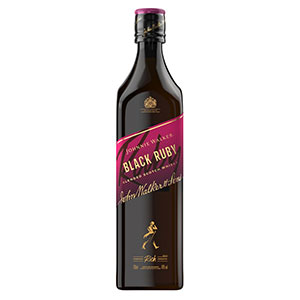 92 Johnnie Walker Black Ruby, 40%, $45
Black cherry jam, vanilla, raisin, fresh fig, gingersnap, smoke
91Dewar’s 8 year old Japanese Smooth, 40%, $40
Vanilla sponge, exotic woods, spun sugar. lemongrass, yellow apple, and herbal notes
91 Grand Old Parr 18 year old, 40%, $70
Caramel, dried apricot, wood spice, citrus, sweet grain, and chocolate
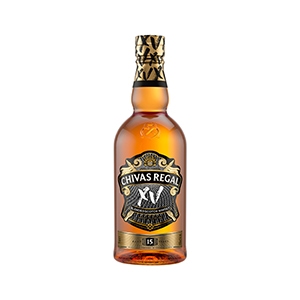 90 Chivas Regal XV, 40%, $50
Honey-glazed apple, cinnamon bark, toasted marshmallow, brown sugar, chocolate ganache
90 Cutty Sark 12 year old, 40%, $30
Lemon bonbon, sugar-dusted churro, vanilla custard, hazelnut, and apple
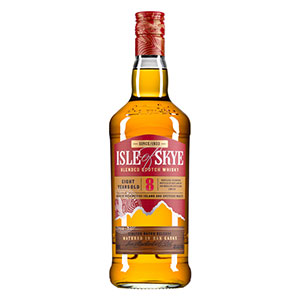 90 Isle of Skye 8 year old, 40%, $20
Heather honey, caramel, lemon zest, pepper, ginger, dried citrus, and peat smoke
89 Buchanan’s Special Reserve 18 year old, 40%, $75
Red apple peel, satsuma, fresh oak, spice, marmalade, walnut
89 Famous Grouse Smoky Black, 40%, $30
Malt, chocolate, smoke, cherry, and apple strudel
Route 2: Taking Blends to the Next Level
Six standout releases that capture the latest trends in blended scotch, from bold innovation and new brands to whiskies made for life’s big moments.
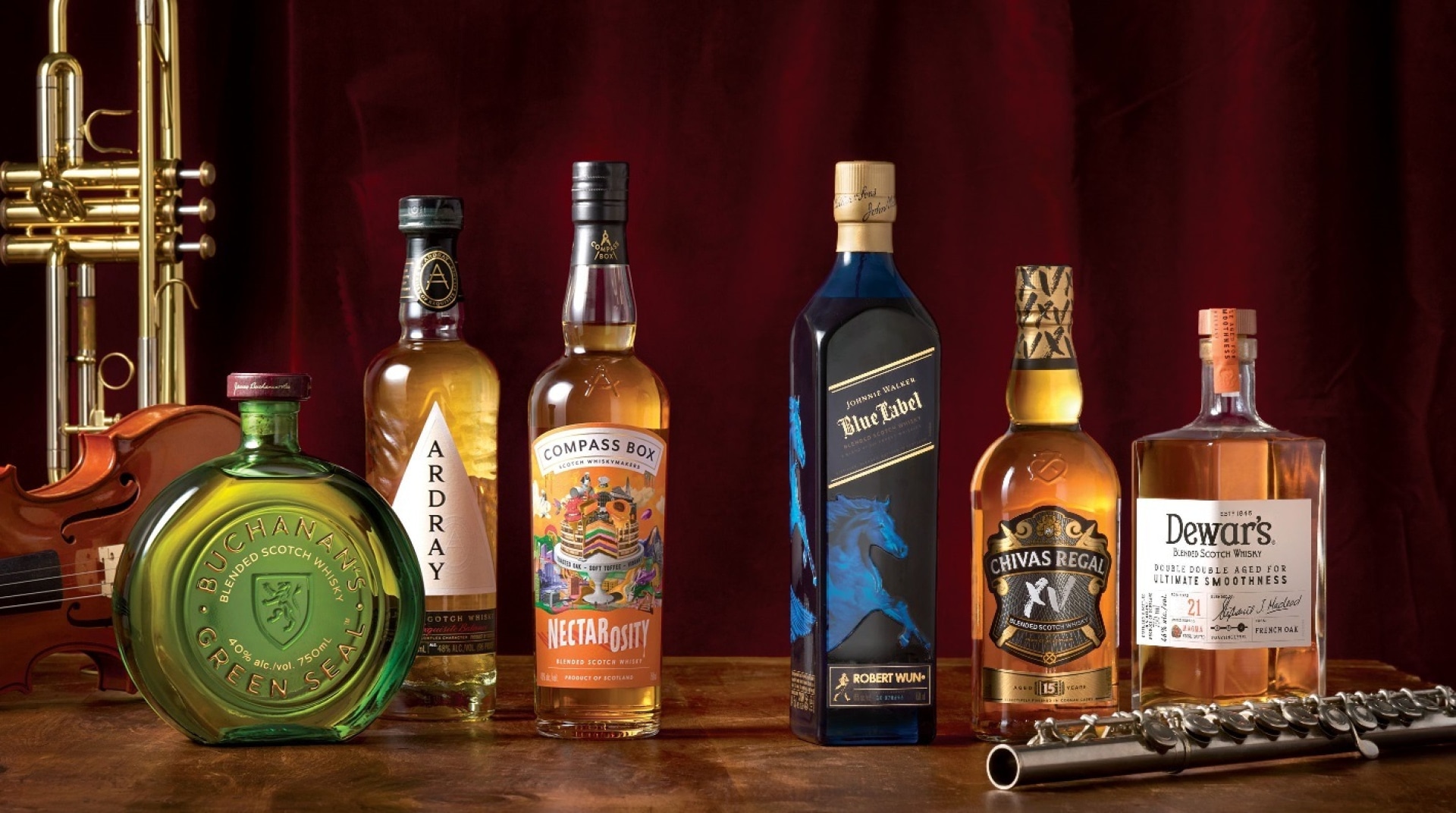
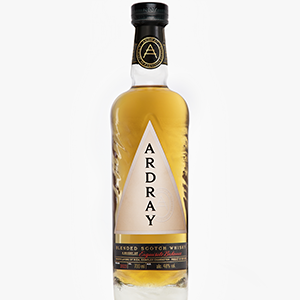 Ardray, 48%, $85
Calum Fraser, Suntory’s chief blender for scotch, took inspiration from Japanese blending techniques by using components from up to 10 Scottish distilleries, all owned by either Suntory or the Edrington Group, which makes Highland Park and Macallan single malts, among other whiskies.
Vanilla sponge, lemon meringue pie, orange peel, stone fruits, smoke, dried mango
Buchanan’s Green Seal, 40%, $100
Green Seal is styled as a luxury addition to the Buchanan’s range, crafted to celebrate the vibrancy of Latin culture. Master blender Craig Wallace built this non-age statement blend around a Glen Elgin single malt fermented with wine yeast, which boosted the tropical fruit notes in the final blend Apple pie, zested lime, fresh pineapple, crème caramel, greengage plum, and poached pears in cream
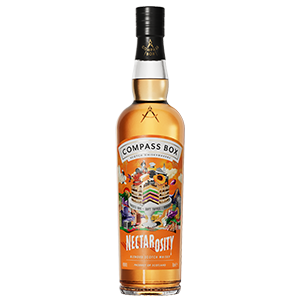 Compass Box Nectarosity, 46%, $65
The Compass Box blenders bring the patisserie to this combination of 11 component whiskies from Linkwood, Clynelish, Balmenach, Cameronbridge, and Girvan Distilleries. Among the numerous keys to the final flavor is the use of first-fill and custom new American oak casks, as well as generous use of sherry cask-finished whisky.
Honey, orchard fruits, vanilla, creamy toffee, cinnamon stick, and spicy oak
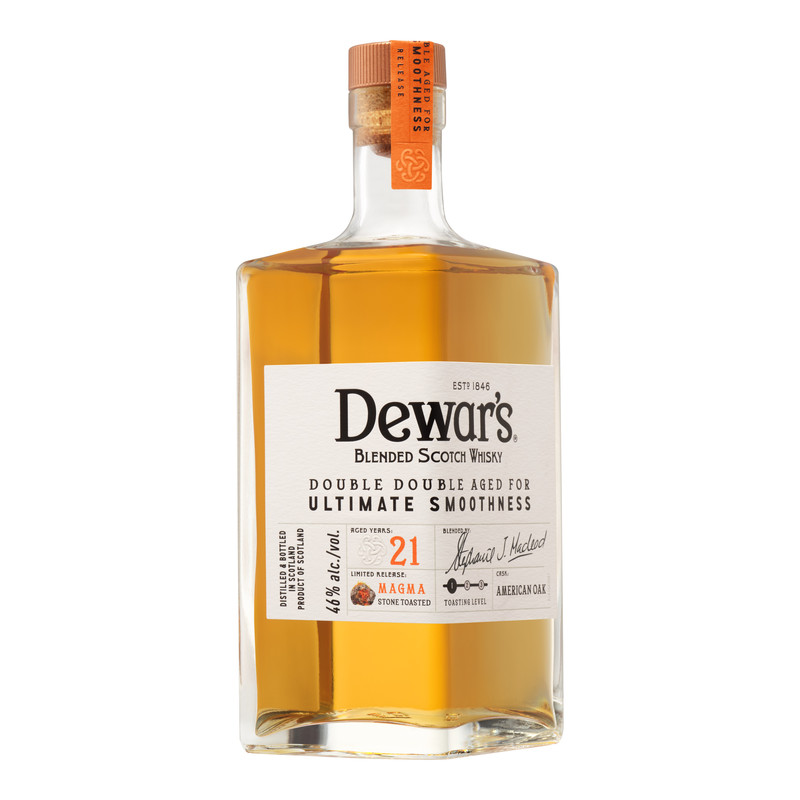 Dewar’s Double Double 21 year old Stone Toasted French Oak Cask with Magma, 46%, $140
Dewar’s Double Double series involves “marrying stages” for extra smoothness and better integration, first with separate blends of malts and grains, and then when the final blend is brought together. The last step of the process uses French oak casks slowly toasted with hot Icelandic magma stones.
Vanilla toffee, mandarin, elderflower, chocolate, cinnamon, and toasted granola
Johnnie Walker Blue Label Year of the Horse, 46%, $264
Johnnie Walker Blue Label Lunar New Year Editions have been a tradition since 2014. Fashion designer Robert Wun, known for dressing stars such as Beyoncé, Lady Gaga, Florence Pugh, and Billy Porter, designed the 2026 edition. The pack depicts a powerful horse in full charge, alongside a figure draped in Wun’s flowing garments. Inside the bottle, it’s timeless Blue Label, blended by Dr Emma Walker, master blender for Johnnie Walker. Caramel, dried peat, vanilla seed, orange pith, dried spices, and banoffee pie
 Royal Salute 21 year old Rio de Janeiro Polo Edition, 40%, $250
Inspired by life in Brazil, with a portion of this 21 year old blend aged in first-fill Braeval Distillery casks to impart fragrant floral notes. With its upsloping lyne arms on the stills, Braeval produces a delicate, floral, grassy Speyside malt with notes of orchard fruit and light spices.
Fresh-cut grass, salted caramel, bright herbal notes, sweetened coconut, Biscoff, and mint