![A Look Back at the Last 25 Years of Whisky [Part 2: 2010-2019]](/get/files/image/galleries/25_years_part_2_hero.png?resize=1920x0)

A Look Back at the Last 25 Years of Whisky [Part 2: 2010-2019]
December 16, 2025 –––––– David Fleming
Around 2010, the realization that bourbon does not have to be made in Kentucky took hold; bourbon was being produced in nearly every U.S. state. The topics of sourced whiskey, no age statement, and transparency were hot. Whisky lovers pursued knowledge about whisky and their favorite brands. Innovation and experimentation have become a norm unlike ever before.
2010
❖ The number of craft distillery openings begins to explode, with some of the more high-profile ones being Woodinville and Westland in Washington, Dad’s Hat reviving rye whiskey in Pennsylvania, Santa Fe Spirits in New Mexico, Breuckelen and King’s County in New York, Mississippi River in Iowa, Union Horse in Kansas, Rock Town in Arkansas, Ole Smoky in Tennessee, and Firestone & Robertson in Texas.
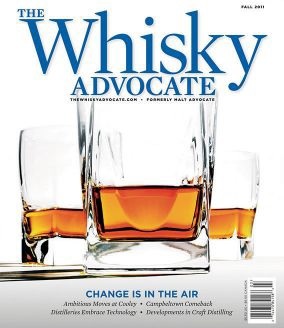
❖ Malt Advocate magazine, which launched in 1997, is acquired by M. Shanken Communications. The magazine would be redesigned in the following year and rebranded as Whisky Advocate.
❖ Bourbon’s sales in the U.S. hit 15.5 million cases, representing a steady upswing from the low point of 13.3 million cases in 1997. The stage was set for the boom to begin in earnest.
❖ The first craft acquisitions by multinational drinks companies occur, as Stranahan’s of Colorado is purchased by Proximo, and New York State’s Tuthilltown Spirits sells its Hudson whiskey brand to William Grant & Sons. William Grant would later buy the remainder of Tuthilltown in 2017.
❖ Diageo fully opens the large, modern Roseisle Distillery near the town of Elgin in Speyside, Scotland. The place is designed to produce a wide range of malt whiskies for brands including Johnnie Walker, Bell’s, and J&B. Critics feared the move would lead to the shuttering of Diageo-owned single malt makers, but that didn’t happen.
❖ Diageo launches Johnnie Walker Double Black in global Travel Retail, and would expand it to the domestic markets of the U.S., UK, and Asia the following year. This smokier version of Johnnie Walker Black appealed to peat heads and younger drinkers.
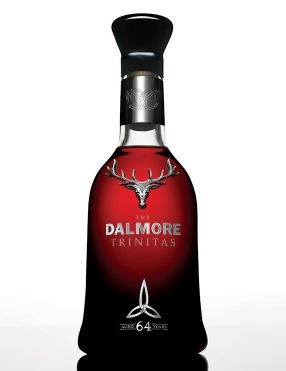
❖ Two bottles of Dalmore Trinitas, of which only three bottles were produced by master distiller Richard Paterson, sell for over £100,000 ($135,000) each in the UK. The third bottle would sell the following year for £150,000 ($203,000). Presented in a crystal bottle designed by Glencairn and housed in a box made of lacquered English oak, it was a further indication of whisky’s elevation to luxury status.
❖ Maker’s Mark releases its first new product since the distillery was established in 1958. Called Maker’s 46, it was Maker’s Mark finished with seared French oak staves.
❖ Heaven Hill is Whisky Advocate’s Distiller of the Year.
2011
❖ Another wave of craft distillery openings hits the market. Among them, single malt maker Virginia Distilling Co. launches in Lovingston, Virginia, initially blending scotch whisky until the release of its Courage & Conviction label in 2020 using its own make. FEW Spirits opens in the Chicago suburb of Evanston. In Brooklyn, New York Distilling Co. opens its doors, while Redwood Empire starts up in Sonoma County, California. Wigle Whiskey is founded in Pittsburgh, named for Philip Wigle, a local hero convicted of treason for his role in western Pennsylvania’s Whiskey Rebellion in 1794. Chattanooga Whiskey begins distilling from a small facility in Chattanooga, Tennessee (it would later move into its large, modern distillery in 2017), Hillrock Estate opens in New York’s Hudson River Valley, and Journeyman starts up in Three Oaks, Michigan.
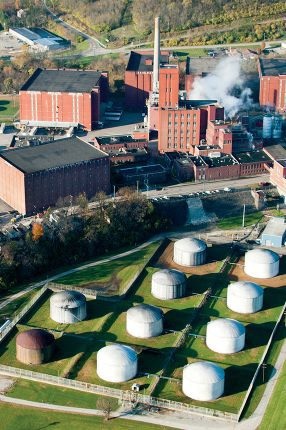
❖ Atchison, Kansas-based MGP Ingredients strikes a deal with CL Financial to purchase Lawrenceburg Distillers Indiana (LDI), better known as Seagram Lawrenceburg. The whiskey maker known as MGP is born, and will soon become a well-known name in the whiskey world.
❖ Whisky clubs, the tasting groups privately organized by whisky enthusiasts that started back in the 1980s mainly with single malt scotch—prominent in other countries like the UK and Australia—start to become a nationwide phenomenon in the U.S. as whisky appreciation grows. With the help of social media and other internet platforms, some clubs that started as private tasting circles begin to develop into national organizations.
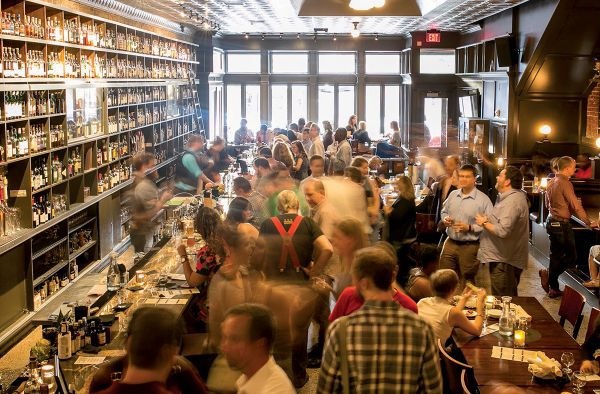
❖ Whisky-centric bars with extensive lists begin to open across the country. In Washington, D.C., entrepreneur Bill Thomas opens Jack Rose Dining Saloon, which boasts the “largest whisk(e)y collection in the Western Hemisphere,” Canon Whiskey and Bites Emporium open in Seattle, as does Silver Dollar whiskey bar in Louisville, to name just a few. Others would follow, like Multnomah Whisky Library, which opened in Portland, Oregon in 2013.
❖ Louisville-based distiller Angel’s Envy, founded by Wes Henderson, his dad Lincoln, and son Kyle in 2010, unveils the first bottling of its Port Cask finished bourbon, pioneering the advent of cask-finished whiskeys in America.
❖ Tucson, Arizona-based Hamilton Distillers, launched in 2006, releases its first expression of Del Bac, made from smoking the grain over mesquite instead of peat to create a Southwest whiskey style.
❖ Whisky events and tastings around the country by now are seeing an influx of women attendees, who’ve entered a world overwhelmingly populated by men in years past. Fueled by the cocktail renaissance, years-long efforts by spirits companies to diversify their audience, and general cultural shifts, whisky clubs that include women, and some that are women-only, are by now becoming a cultural norm.
❖ The SWA bans the term “vatted malt” on labels after November 22, so Compass Box decides to have a little fun with it, releasing a whisky called The Last Vatted Malt at midnight that day. The issue began with Compass Box having to pull its Spice Tree Vatted Malt from the shelves back in 2006 because its use of additional French oak staves had violated SWA rules.
❖ Beam (today’s Suntory) acquires Cooley Distillery in Ireland, and with it the Tyrconnell, Connemara, and 2 Gingers brands, as well as the Kilbeggan brand and distillery, among Ireland’s oldest, which today is a whiskey travel destination.
❖ Ardbeg blasts some of its whisky up to the International Space Station in a project to measure the impact of microgravity on flavor development. Upon its return, Dr. Bill Lumsden announced that the space samples had a different set of smoky flavors that he had never tasted on planet Earth.
❖ Midleton/Irish Distillers is Whisky Advocate’s Distiller of the Year
2012
❖ Kentucky distillers fill over 1 million barrels of bourbon for the first time since 1973, as whiskey production begins throttling up. By 2024 that number would be up to 2.7 million barrels.
❖ Whisky makers from continental Europe, like Wehringen in France, Mackmyra in Sweden, Stauning in Denmark, Eifel in Germany, and more start to make their presence known in the U.S., winning competitions and racking up 90+ scores from Whisky Advocate.
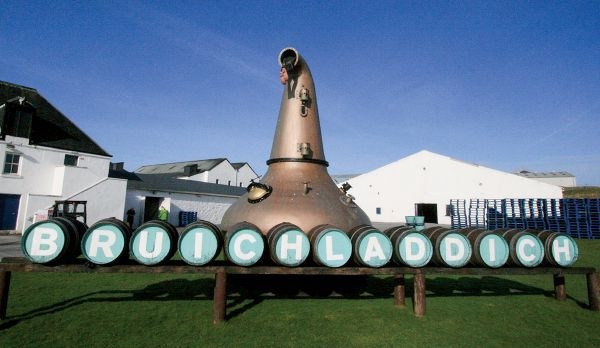
❖ Bruichladdich is acquired by French multinational spirits company Remy Cointreau, ending a 12-year run of ownership by Mark Reynier and other investors, including Simon Coughlin, who stays on.
❖ Dingle Distillery opens on the west coast of Ireland, becoming another early mover in the coming wave of distillery openings, as Ireland’s modern renaissance begins moving into high gear.
❖ Westward Whiskey is launched by Portland-based House Spirits. The distillery was soon renamed for the whiskey.
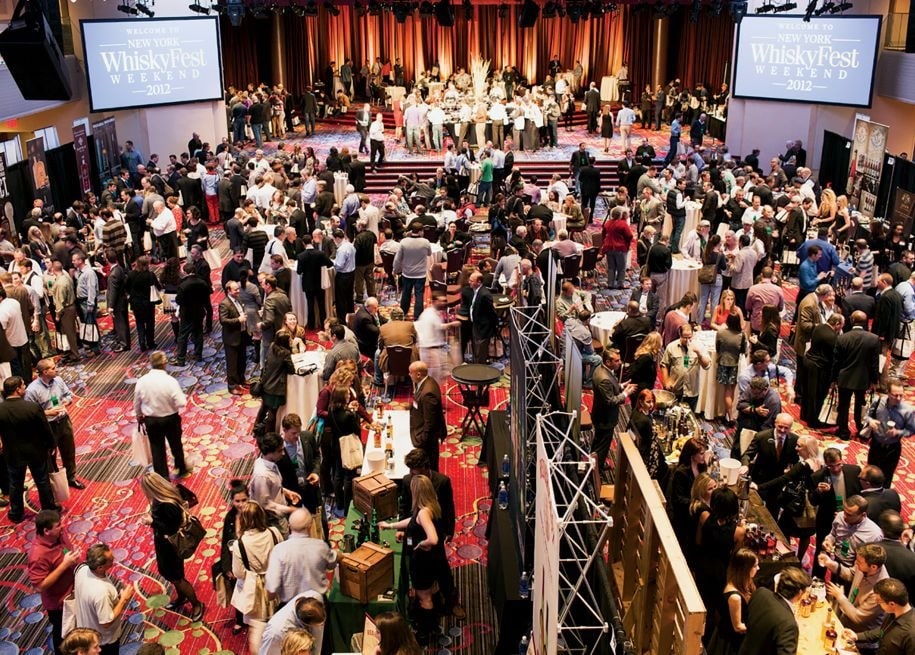
❖ WhiskyFest New York becomes a two-day weekend extravaganza, with an all-star array of speakers and whiskies. The one-day seminar program features speakers like Dr. Bill Lumsden of Glenmorangie and Ardbeg, John Glaser of Compass Box, Dalmore’s Richard Paterson, Barry Crockett of Midleton, Harlen Wheatley from Buffalo Trace, and David Perkins of High West. Whisky pours include Brora 30, Glenmorangie 1963, Barry Crockett Legacy, Parker’s Heritage Collection 2012 release, Springbank 18 year old, and many more.
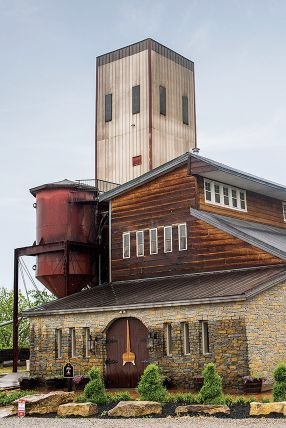
❖ Willett Distillery, which stopped making whiskey in the early 1980s, restarts. The business was being run by Willett son-in-law Even Kulsveen and his wife, Martha Willett. It had not been making whiskey then, but instead focused on being an independent bottler, and it released some of the most highly sought-after labels of the era, including Pot Still Reserve. In 2012 Willett once again began distilling, with operations overseen by Even’s children, Drew as master distiller and Britt as president and chief whiskey officer.
❖ Limestone Branch Distillery is officially opened in Lebanon, Kentucky, founded by brothers Steve and Paul Beam. Their brands include Yellowstone, Minor Case (named for a great-grandfather), and Bowling and Birch gin. Rabbit Hole is founded in Louisville, Kentucky by former clinical psychologist Kaveh Zamanian, Driftless Glen in Wisconsin taps into the terroir of the Driftless Area of south-central Wisconsin. Vikre Distillery opens on the Lake Superior waterfront in Duluth, Minnesota. Two James, another urban distiller, opens in Detroit. Still 630 launches in St. Louis, named after the height and width of the famed St. Louis arch, whose dimensions are identical. And Widow Jane, the distillery named for a mine in upstate New York where it sources its limestone-rich water, is founded in Brooklyn.
❖ Eden Mill Distillery begins production in Scotland’s Lowlands, just outside the famed university town of St. Andrews.
❖ William Grant & Sons Ltd. is Whisky Advocate’s Distiller of the Year.
2013
❖ No Age Statement (NAS) whiskies continue to proliferate as distillers cope with inventory shortages amid the boom. Labels like Balvenie Tun 1401 Batch 3 (introduced in 2011) and Talisker Storm (introduced in 2013), were among some of the key movers during these years.
❖ With inventories rapidly depleting, Maker’s Mark announces that it will lower the proof of its whiskey from 45% to 42%. The move was met with widespread criticism and a major backlash from fans, forcing Maker’s to reverse course. The move briefly hurt the brand’s image.
❖ The biggest distillery launch of the year is Sagamore Spirit, established with a mission to revive Maryland’s rye tradition, though it would be a few years before it moves into its modern distillery in Port Covington on the Baltimore waterfront.
❖ Elsewhere on the new distillery front, Charleston, South Carolina’s High Wire Distilling opens, focused on reviving heirloom grains and historic flavors, particularly the Jimmy Red corn variety. Copperworks opens its doors in Seattle, led by two former craft brewers to explore the use of malted rye and distilling unhopped craft beer. Blaum Brothers is launched in Galena, Illinois. DuNord Social Spirits starts in Minneapolis and becomes the first Black-owned distillery in the U.S. Further north in Minnesota, near the Canadian border, farm distiller Far North Spirits begins distilling as the country’s northernmost whiskey maker. And farm distiller Whiskey Acres is founded in DeKalb, Illinois, 60 miles west of Chicago.
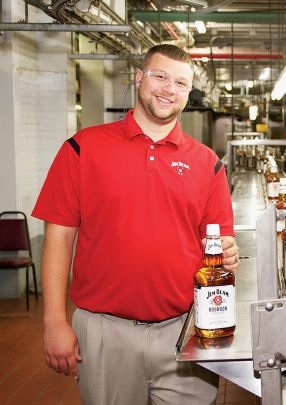
❖ Freddie Noe, son of master distiller Fred Noe and grandson of Booker Noe, joins James B. Beam Distilling Co. His signature expression, the annual Little Book release, would debut in 2017. He would be named master distiller alongside his father five years later.
❖ Heaven Hill opens the Evan Williams Bourbon Experience on Louisville’s Whiskey Row, becoming the first distiller to plant its flag there in the modern era. This historic stretch of Main Street was once the epicenter of Kentucky’s bourbon business, but by the end of the 20th century it was a neglected strip, its buildings largely shuttered. Over the next decade it would be reborn.
❖ Irish Distillers reintroduces its Powers brand as a single pot still, naming it Powers John’s Lane—part of the neighborhood of the old Powers Distillery in Dublin. Powers traditionally had been a single pot still, but it had become a blend during the Irish whiskey downturn of the late 20th century in a trend toward easy drinking pursued by many distillers.
❖ While Scotland’s independent bottlers were a long-standing institution, the presence of American independent bottlers begins to grow, with the arrival of Barrell Craft Spirits (2013), Lost Lantern (2018), and later Dark Arts Whiskey House (2023), among others.
❖ Buffalo Trace opens Warehouse X, the first new building on the distillery’s campus in over 60 years. The small space, made of brick and concrete block, with room for only 150 barrels was built to experiment with different levels of light, airflow, temperature, and humidity.
❖ As Pappy mania roars throughout the early 2010s, there’s a series of high-profile bourbon thefts at Buffalo Trace that soon came to be known as “Pappygate,” in which over 200 bottles of Old Rip Van Winkle bourbon were stolen by a distillery employee in what became a national news story and a Netflix show.
❖ Woodford Reserve releases a pair of Kentucky single malts as part of its Distillers Collection. The malt component was unusual for Kentucky at the time, to say the least. One expression was aged in new oak barrels, while the other matured in used barrels.
❖ Legendary master distiller Barry Crockett retires from Irish Distillers after 47 years.
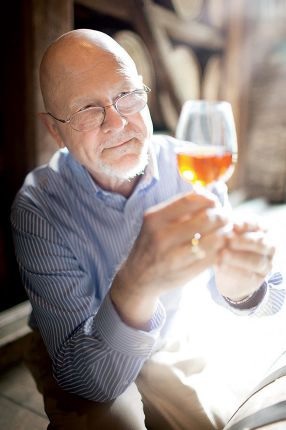
❖ Three major master distillers pass in 2013: Elmer T. Lee, master distiller at Buffalo Trace and the man who created Blanton’s; Lincoln Henderson, who served as master distiller at Brown-Forman for nearly 40 years and went on to co-found Angel’s Envy with his son Wes and grandson Kyle; and Truman Cox, master distiller at A. Smith Bowman in Virginia.
❖ To honor Heaven Hill master distiller Parker Beam, who had been stricken with ALS, fellow distillers Jimmy Russell of Wild Turkey, Harlen Wheatley of Buffalo Trace, Fred Noe of Jim Beam, Jim Rutledge of Four Roses, Chris Morris of Woodford Reserve, and Greg Davis of Maker’s Mark each donated a bottle of bourbon, which Parker blended with a bottle of Heaven Hill bourbon to create Master Distillers’ Unity, raising $10,000 for ALS research. Some 12 bottles were made in total; 10 of those were poured at WhiskyFest New York. The remaining two bottles were auctioned by Bonhams and sold for over $10,000 for the set.
❖ Diageo is Whisky Advocate’s Distiller of the Year.
2014
❖ Domestic whiskey sales have now climbed by 40% since 2009, as younger drinkers discover American whiskey, and bourbon in particular.
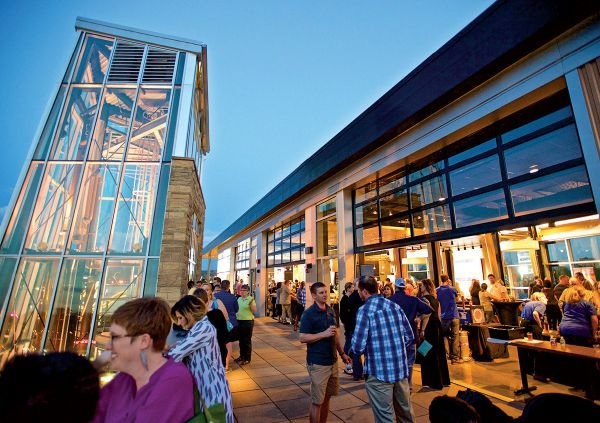
❖ U.S. distillery openings just keep on coming: Michter’s owner Joseph Magliocco launches his distillery in Shively, Kentucky, just outside Louisville’s city center; New Riff Distilling is opened in Newport, Kentucky by former liquor retailer and entrepreneur Ken Lewis. Ironroot Republic is formed by the Likarish family in Denison, Texas. Rieger family descendant Andy Rieger and renowned bartender Ryan Maybee relaunch J. Rieger & Co. in Kansas City, Missouri, reviving a legacy distillery that had been established in 1887 and shut down by Prohibition. Nelson’s Green Brier is brought back by the founder’s great-great-great-grandsons Charlie and Andy Nelson.
❖ Amid unprecedented demand for the most sought-after releases like Pappy Van Winkle, the Buffalo Trace Antique Collection, top Japanese expressions, and many others, whisky pricing continues to explode. Inventories were being drained as demand moved to levels that no one saw coming. The word “allocation,” once only heard in the trade, becomes a familiar term as distilleries are forced to allocate supplies. That leads to significant levels of hoarding and heavy trading on the secondary or “black” market through social media.
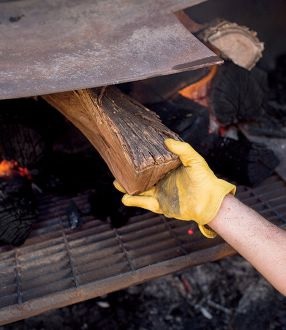
❖ Smoky expressions are emerging as one of the most exciting trends in American craft whiskey, led by Hamilton Distillers and Santa Fe Spirits, both of which smoke their malt with mesquite to give whiskey a Southwestern identity it never had before. A key pioneer in smoking malt is Corsair, and Balcones in Texas also joins in the smoke show, using Texas scrub oak with its Brimstone label, released in 2011.
❖ Irish whiskey Tullamore D.E.W., whose original distillery in Tullamore had been shuttered since 1954, returns to its ancestral home as owner William Grant & Sons builds a new $100-million distillery on the outskirts of town. Also in Ireland, The Shed Distillery, producer of Drumshanbo, opens for business.
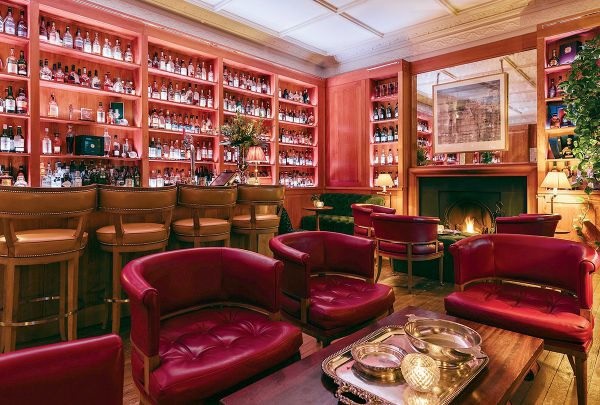
❖ The Craigellachie Hotel in Speyside, Scotland opens its Quaich Bar, with an extensive scotch whisky inventory that turns this already popular hotel into a scotch whisky destination.
❖ Compass Box sells a minority stake to Bacardi Ltd. In Canada, Forty Creek sells out to Campari Ltd. In Kentucky, Limestone Branch sells a 50% stake to Luxco. (Luxco and its Bardstown, Kentucky distillery Lux Row would ultimately be acquired by MGP in 2021).
❖ Kavalan Taiwanese whisky makes its U.S. debut, with seven expressions in the range Classic, Concertmaster, King Car Conductor, Fino Sherry Cask, Ex-Bourbon Cask, Sherry Cask, and Vinho Barrique.
❖ Kingsbarns Distillery begins production in the Scottish Lowlands.
❖ Beam Suntory is Whisky Advocate’s Distiller of the Year.
2015
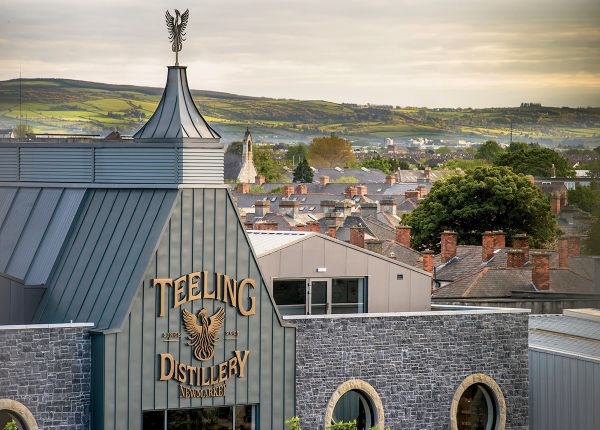
❖ Ireland’s Teeling Whiskey opens for business in Dublin; the first new distillery to be built in the Irish capital since the late 19th century and the first whiskey to be made in Dublin since the early 1970s, when the Jameson Bow Street Distillery began its eventual move to Midleton in western Ireland to form part of Irish Distillers. The distilling renaissance also begins in other parts of Ireland, with Waterford Distillery opening just outside the city of Waterford.
❖ In another sign of Irish whiskey rising, American whiskey maker Brown-Forman enters the market, acquiring Slane Castle Whiskey Co. and announcing plans to build a new distillery on the grounds of the Slane Castle Estate. The distillery would be completed in 2017.
❖ American distillery launches continue as High West opens its new facility in Wanship outside Park City, Kentucky Peerless launches at the western end of Whiskey Row in Louisville, and Tattersall Distillery opens in Minneapolis. In Wisconsin, Wollersheim, an estate with a wine and brandy-making tradition dating back to the 19th century, starts making whiskey, and Chattanooga Distillery opens in Tennessee.
❖ With the whisky auction market rising rapidly, whisky investment schemes become a hot topic. Companies like Whisky- InvestDirect, Braeburn Whiskey, and later CaskX launch investment platforms. Inevitably, some whisky investment schemes will later turn sour thanks to scams by unscrupulous operators like Whisky Scotland and CaskWhisky Ltd. some years later.
❖ Angel’s Envy in Louisville sells out to Bacardi Ltd. Buffalo Trace takes a minority stake in Texas distiller Witherspoon.
❖At Four Roses, Brent Elliott becomes master distiller, succeeding Jim Rutledge, who remains active in the business in various consulting roles today. In addition to his role in getting ownership to return Four Roses bourbon to the U.S. in the 1990s, Rutledge was the person whose whiskey-making skills persuaded then-owner Seagram to abandon a plan to sell off Four Roses or even shut it down altogether.
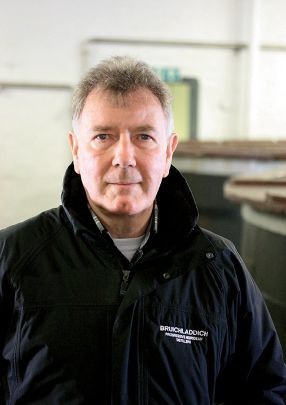
❖ Jim McEwan retires as master distiller at Bruichladdich, ending a 15-year career in scotch whisky. But McEwan wasn’t quite done yet: in 2017 he would join the newly opened Ardnahoe Distillery on Islay to oversee production.
❖ Single malt producer Inchdairnie in Glenrothes, Scotland begins distilling in December, ahead of its official opening in the spring of 2016.
❖ Iowa-based craft brand Templeton Rye becomes embroiled in controversy over the origin claims of its whiskey, as it obfuscated the fact that it had been produced not in Iowa but at MGP in Indiana. A lawsuit awarded $2.5 million to eligible consumers who purchased the whiskey between January 2, 2006 and July 21, 2015. The affair pointed to the fact that drinkers wanted to know the origin of their whiskey. While “sourced” is generally an accepted term today, that was not always the case back then.
❖ MGP is Whisky Advocate’s Distiller of the Year.
2016
❖ Bourbon sales in the U.S. pass the 20-million case milestone for the first time in three decades, representing more than a 31% gain since 2010. Meanwhile, the Kentucky Bourbon Trail hosts one million visitors for the first time ever, up 300% in 10 years. And at the all-important super-premium tier ($25 and above, according to Impact Databank), volume had risen from 300,000 cases in 2002 to more than 1.5 million cases by 2016, with revenue increasing from $60 million to $350 million.
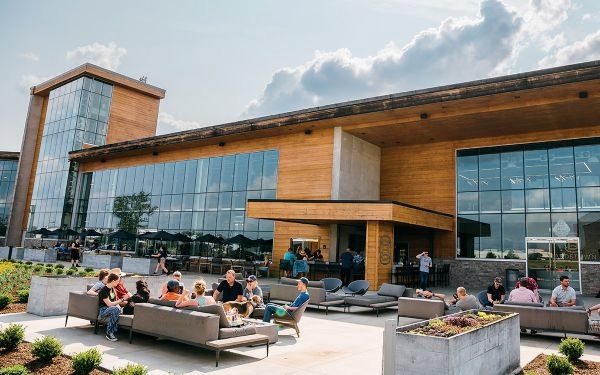
❖ Bardstown Bourbon Co., which started building on 100 acres of farmland near Bardstown, Kentucky two years earlier, begins making whiskey and welcoming visitors, aiming to create a “Napa Valley experience” for its guests, complete with a café, gift shop, and wraparound patio, with a restaurant and bar to open the following year. vClonakilty starts distilling near its namesake town in western Ireland, with the goal of making single pot still whiskey as its centerpiece. Also in western Ireland, Connacht Whiskey begins distilling.
❖ Around the U.S., Texas brewers Tommy Erwin and Ty Phelps launch Andalusia Whiskey Co., named for an old ranch that once occupied the land. Spirits of French Lick opens just outside the town of French Lick, Indiana, using grain from its Hoosier Homestead Farm. In Franklin, Tennessee, just outside Nashville, Leiper’s Fork fills its first barrel, with plans to make bottled in bond Tennessee whiskey, bourbon, rye, and white whiskey. In Weston, Missouri, McCormick Distillery is rechristened to its original name, Holladay. Jeptha Creed opens in Shelbyville, Kentucky.
❖ Kentucky raises the limit on sampling at distilleries from two half-ounce samples to double that amount, and grants licenses to run on-site bars and sell drinks by the glass. vSazerac acquires Popcorn Sutton Distillery in Newport, Tennessee, run by two talented distillers: Alisa Henley and the late John Lunn, both formerly of George Dickel. Despite delays, whiskey is planned to be released in 2026. The Popcorn Sutton brand is currently made at Ole Smoky in Tennessee.
❖ Fresh off its acquisition of Slane Castle Whiskey Co. the previous year, Brown-Forman expands into Scotland, buying The Benriach Distillery Co., a group that includes Benriach, Glenglassaugh, and Glendronach Distilleries.
❖ Experimental aging is now a widely discussed topic, with distillers like Cleveland Whiskey having already tried “pressure aging” with cut-up barrel staves, and others like Lost Spirits doing similar things. Jefferson’s began its “ocean aging” technique as far back as 2008, while perhaps the most famous of all is the “sonic aging” work done by Blackened Whiskey, starting in 2018 in collaboration with whiskey maker Dave Pickerell.
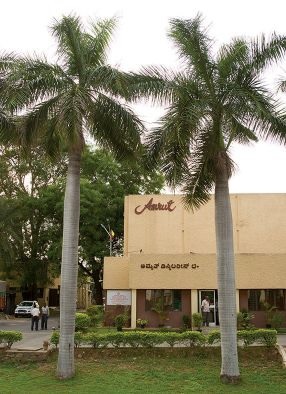
❖ Indian whisky enters the U.S. whisky drinking space, with Amrut Spectrum winning Whisky Advocate’s World Whisky of the Year award for 2016. Fellow Indian single malt Rampur wouldn’t make its U.S. debut until 2021 with Rampur Select, which would finish at No. 5 in Whisky Advocate’s Top 20 whiskies of the year for 2021.
❖ In its long-running battle with the SWA, Compass Box releases its Three Year Old Deluxe label—with less than 1% of the blend comprising 3 year old whiskies, the rest being considerably older. It was owner John Glaser’s tongue-in-cheek tweak at what he viewed as the SWA’s hidebound approach to the rules, which forbade label disclosure of a blended scotch’s components. Whisky fans loved it.
❖ Westland is acquired by French multinational Remy Cointreau, and Constellation Brands takes a minority stake in Virginia rye specialist Catoctin Creek in a precursor to a string of craft whiskey distillery buyouts soon to come.
❖ High West is Whisky Advocate’s Distiller of the Year.
2017
❖ Kentucky bourbon production surpasses 2 million barrels, more than four times its level in 2000, beating the previous record of 1.99 million barrels set in 1967. Kentucky now had 6.7 million barrels resting in its warehouses, compared to 3.4 million barrels in 2000.
❖ By now, bourbon is being produced in a multitude of states, something that would have been inconceivable back in 2000. There had long been a common misconception that bourbon was required to be made in Kentucky, but the proliferation of bourbon makers across the country has gone a long way toward correcting that.
❖ The year sees a flurry of craft distillery acquisitions by drinks multinationals. High West is acquired by Constellation Brands, and founder David Perkins departs. Constellation also buys a minority stake in Bardstown Bourbon Co. and Nelson’s Green Brier (it would later take a majority stake in Nelson’s in 2019 and sell its Bardstown stake in 2022). In addition, Pernod Ricard purchases Smooth Ambler, LVMH acquires Woodinville Whiskey, William Grant buys the remainder of Tuthilltown Spirits, Bacardi Ltd. buys a minority stake in Teeling Whiskey Co. Stoli Group USA acquires Kentucky Owl, and Deutsch Family Wine & Spirits purchases the Redemption, Bib & Tucker, and Masterson’s brands, Becle (Cuervo Group) buys the Pendleton Canadian whisky brand from Oregon’s Hood River Distillers.
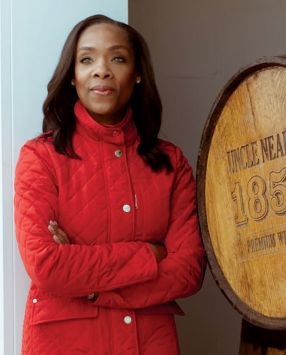
❖ Uncle Nearest is launched by entrepreneur Fawn Weaver, named for Nearest Green, the first master distiller at Jack Daniel, who is said to have taught Daniel himself how to make whiskey. A few years later it would open a sprawling 323-acre facility in Shelbyville, Tennessee. Costly expansion would put the company under court receivership in 2025, though it has vowed to continue.
❖ The Kentucky Vintage Spirits Law is passed, allowing vintage spirits to be sold outside of traditional methods. Over the next few years, vintage whisky stores start to open, most notably Justins’ House of Bourbon in Lexington and Revival Vintage Spirits & Bottle Shop in Covington. There is much confusion over how a “vintage” spirit is defined.
❖ Little Book, the annual release from James B. Beam’s eighth-generation master distiller Freddie Noe, makes its debut with Little Book Chapter 1 The Easy. vBulleit gets its own home for the first time, as Diageo opens a new distillery in Shelbyville, Kentucky. Bulleit would add a second distillery in Lebanon, Kentucky in 2021.
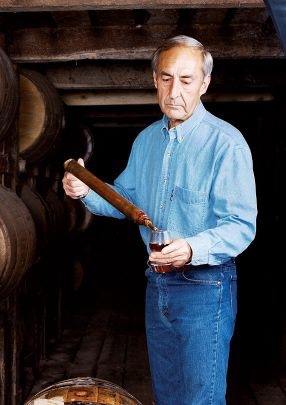
❖ The year is marked by the passing of two major figures in whisky making. Parker Beam, master distiller at Heaven Hill, dies after a six-year battle with ALS. Jim Swan, distilling consultant par excellence, once described as the “Einstein of whisky” who lent his expertise to countless fledgling distillers around the world, passes away in Scotland.
❖ As the distilling renaissance in Scotland’s Lowlands regions enters full swing, Lindores Abbey launches, production resumes at Bladnoch, and urban whisky maker Holyrood opens in Edinburgh.
❖ Empire Rye is designated as an official whiskey category, defined as rye whiskey made with a mashbill containing at least 75% New York-grown rye grain, having distillation capped at 160 proof and barrel entry at no more than 115, and aged at least 2 years in new charred oak barrels, among other requirements.
❖ Irish whiskey maker Pearse Lyons moves its operations into a former church in Dublin.
❖ The total number of U.S. craft distilleries (including makers of other spirits) surpasses 1,300. In 2000, that number was fewer than 50.
❖ WhiskyFest marks its 20th anniversary in New York.
❖ Whisky Advocate reworks its awards system to create the Top 20 Whiskies of the Year. The first Whisky of the Year is Elijah Craig Barrel Proof, Batch B51.
2018
❖ Old Forester opens its Whiskey Row venue, next door to its original location when it did business there back in the 19th century.
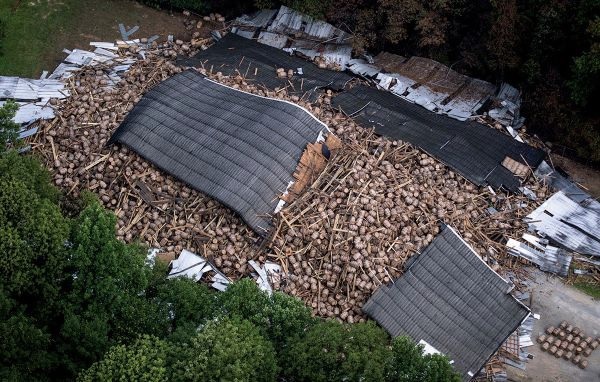
❖ At Barton 1792, prolonged rainstorms weaken the foundation of a hillside warehouse causing partial collapse of the structure that contained 18,000 barrels.
❖ Dave Pickerell, longtime distiller at Maker’s Mark and later considered one of the founding fathers of the craft movement as advisor to over 100 distilleries in his long career, passes away.
❖ Ardbeg announces plans for a major refurbishment and construction of a new stillhouse with an annual capacity of 2.4 million liters, effectively doubling production. The project would be completed in 2021. In addition, Ardbeg’s sister distillery Glenmorangie maps its own plans for two new stills, as well as new mashing and fermentation facilities.
❖ Macallan opens a state-of-the-art distillery in Speyside with an architectural style never seen before in the Highlands; its modern design intended to mimic the surrounding countryside and blend in with the Highlands scenery. In addition to its extensive visitor experience, it offers high-end dining, a circular whisky bar with spectacular views of Speyside, a boutique, and a tour of the production process. The new facility also increases Macallan’s production capacity by one-third.
❖ In one of the more unlikely success stories of our time, Penelope Bourbon is launched by two New Jersey-based whiskey lovers and entrepreneurs, Danny Polise and Michael Paladini. The two started by sourcing whiskey from MGP, and sold their product to retailers from the trunk of their car. By 2023 Penelope was being sold in 30 states, prompting MGP to buy the brand for just over $100 million.
❖ Powerscourt Distillery opens in Ireland, with production starting the following year, but it would file for bankruptcy in 2025.
❖ Lux Row in Bardstown, Kentucky officially opens, while in Frankfort, Castle & Key, the former Old Taylor Distillery with its enchanting castle-like design and grounds that looked like something out of a fairy tale, reopens its doors to visitors for the first time in 46 years. The distillery had received a loving restoration by investors Will Arvin and Wes Murray. And Heaven’s Door, the whiskey backed by Bob Dylan, launches.
❖ Old Fitzgerald’s Bottled in Bond decanter series is released, signaling the revival of this his toric brand that was once owned by Pappy Van Winkle and had become somewhat forgotten. vArdnahoe Distillery on Islay fills its inaugural cask, becoming the first new producer on the island since Kilchoman in 2005.
❖ Wyoming Whiskey, the Kirby, Wyoming distiller that started up in 2006, forms a strategic partnership with Edrington Group, whereby Edrington takes a minority stake.
❖ Nikka From The Barrel is Whisky Advocate’s Whisky of the Year.
2019
❖ The rye renaissance, in high gear throughout the 2010s, sees volumes in the U.S. top the million-case mark for the first time in generations, up from less than 100,000 cases in 2010 and less than 10,000 cases in 2000.
❖ After many construction delays, the long-awaited Michter’s Fort Nelson Distillery opens on Whiskey Row in Louisville. Fort Nelson is arguably Whiskey Row’s architectural gem, and includes a curated cocktail bar, tours, and the old Michter's pot stills that were used at the brand’s original location in Schaefferstown, Pennsylvania.
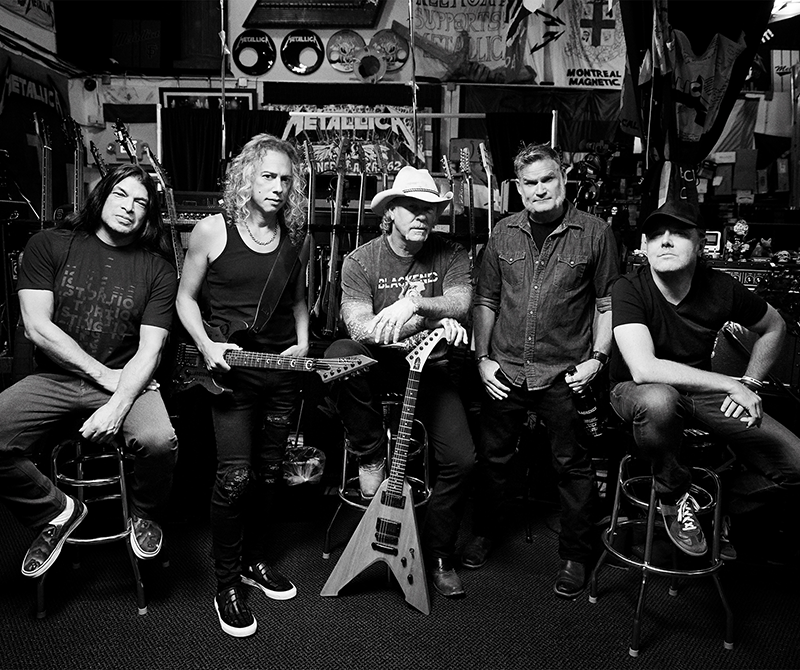
❖ Rob Dietrich, who had worked at Stranahan’s since 2006, resigns to become master distiller at Blackened, the whiskey launched by legendary rock band Metallica.
❖ The year sees a new round of craft distillers selling full or partial ownership stakes to larger companies. Fort Worth, Texas-based Firestone & Robertson is sold to Pernod Ricard, which also acquires a majority stake in Louisville whiskey maker Rabbit Hole. Black Button Distilling in Rochester, New York sells a minority stake to Constellation Brands, and Westward Whiskey in Portland, Oregon sells a partial ownership stake to Diageo investment arm Distill Ventures.
❖ With rye sales riding high, Old Forester releases its first-ever rye expression, with a mash bill of 51% rye and 49% malted barley. vGeorge Dickel 13 year old Bottled In Bond (Distilled in 2005) is Whisky Advocate’s Whisky of the Year.