![A Look Back at the Last 25 Years of Whisky [Part I: 2000-2009]](/get/files/image/galleries/25_years_of_whisky_part_1_HERO.png?resize=1920x0)
Photo by Peter Garritano

A Look Back at the Last 25 Years of Whisky [Part I: 2000-2009]
In 2000, nobody could have quite imagined the change that was about to take place
December 16, 2025 –––––– David Fleming
As the 20th century came to a close, the page was turned on an era of historic lows in whisky’s popularity. At that point, the “buzz” surrounding whisky—to use a now-dated term of the ’90s—was nearly at zero. But as the years moved into the 2000s, a sea change began as the whisky world awakened from its decades-long slumber. Few people realized this was the dawn of a new era that would soar beyond everyone’s wildest expectations—where master distillers became rock stars, whisky lovers lined up all night for the latest releases, and distilleries became tourist destinations. Here’s a look at how we got here, year by year.
2000
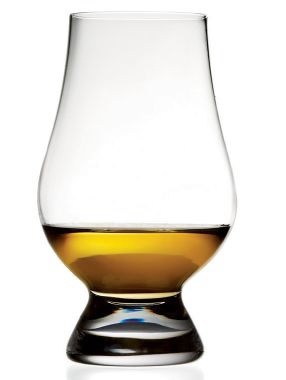
❖ The Glencairn whisky glass makes its debut, with a wider introduction starting the following year. The glass had been designed in 1981 by Raymond Davidson at his crystal studio just outside Glasgow, but he saw no future in it. His prototype sat on the shelf for nearly 20 years until his son Paul discovered it and saw the potential.
❖ The Kentucky Bourbon Trail, in its second year of existence, offers a total of seven distillery stops—Buffalo Trace, Four Roses, Heaven Hill, Maker’s Mark, Wild Turkey, Jim Beam, and Woodford Reserve. Today there are 58 stops on the trail.
❖ Buffalo Trace introduces The Antique Collection, an annual release comprising Eagle Rare 17 year old bourbon, Sazerac 18 year old rye, and William Larue Weller 19 year old bourbon. This ultra-aged collection, which later expanded to include Thomas H. Handy rye and George T. Stagg bourbon, would help lift American whiskey’s quality and image to a level previously occupied by fine wines, aged cognacs, and old scotch whiskies.
❖ On Islay, Bruichladdich Distillery, which had been shuttered for more than a decade in a depressed market, is acquired by an investment group led by UK wine merchant Mark Reynier, who’s eager to reclaim its lost glory. Bruichladdich would restart production the following spring, and Reynier would go on to introduce the concept of terroir in whisky making.
❖ The Distilled Spirits Council (DISCUS), a U.S. trade group, announces a $1.2 million grant to restore George Washington’s distillery at the first president’s historic home in Mount Vernon, Virginia. The idea was to showcase whiskey as part of American culture, and it would have positive effects, particularly in the media.
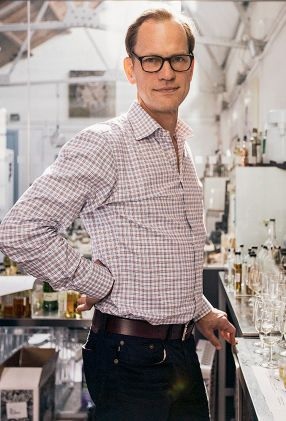
❖ Scotch blender Compass Box is founded in London by former Diageo executive John Glaser, whose creative energies are directed toward making new and unusual blends. His first release is indeed unusual—a blended grain whisky called Hedonism. It’s the first widely released blended grain bottling at a time when single malts are in favor, and it would go on to achieve cult status.
❖ A price list from London’s Milroy’s of Soho, still today one of the world’s great whisky shops, shows a Brora 1977 release from Diageo’s Rare Malts Collection retailing at a mere £67.95 (about $90). Port Ellen 1974 from the Rare Malts Collection is retailing at the same price, and a 1979 Rosebank is priced at £68.95. A bottle of Longmorn (age not listed) is selling for £28.85. Of the 126 single malt brands on the list, at least half are from independent bottlers, as many single malt makers were not yet widely selling their own brands. In addition, very few of the single malts on the list except for the mainstream brands were available in the U.S. at the time.
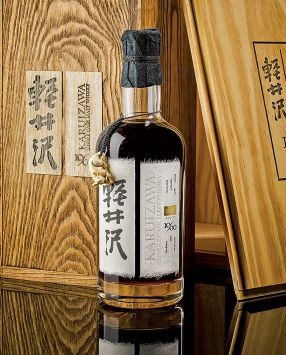
❖ In Japan, Karuizawa Distillery is shut down by owner Mercian Corp. due to lack of demand for whisky. Mercian was later sold to Kirin Holdings in 2007, which permanently closed Karuizawa. But its remaining whisky stocks were bottled, and those bottles would go on to become highly sought-after auction items. They still fetch stratospheric prices today.
❖ Penderyn Welsh whisky is launched in Brecon Beacons, becoming the first distillery to open in Wales since the late 19th century.
❖ The Seagram Co. Ltd., one of the dominant spirits companies of the 20th century, announces its exit from the business to become an entertainment company.
❖ Seagram’s brands would be sold in the following year to Diageo and France-based Pernod Ricard. Pernod got Chivas Regal, Glen Grant, The Glenlivet, Royal Salute, Four Roses, J.P. Wiser’s, Lot No. 40, and the Seagram Lawrenceburg Distillery in Indiana (later MGP). Diageo won Crown Royal, Seagram’s 7 Crown, and a small but promising bourbon called Bulleit.
❖ Buffalo Trace is Whisky Advocate’s Distiller of the Year.
2001
❖ In a ceremony held by the newly established Kentucky Bourbon Hall of Fame, the first members are inducted: Parker Beam (Heaven Hill), Lincoln Henderson (Brown-Forman), Elmer Lee (Buffalo Trace), Fred McMillen (Barton Brands), Booker Noe (Jim Beam), Jimmy Russell (Wild Turkey), Jim Rutledge (Four Roses), and Bill Samuels, Jr. (Maker’s Mark).
❖ Rye whiskey continues to struggle, with its revival still a few years away. Only a handful of ryes are on the market, and they’re made by just four distillers: Heaven Hill (Rittenhouse and Pikesville), Jim Beam (Old Overholt and Jim Beam rye), Wild Turkey (Wild Turkey rye), and Sazerac (Sazerac 18 year old).
❖ Wild Turkey introduces a limited edition 17 year old bourbon in Japan, as bourbon sales are still too weak in the U.S. Wild Turkey wouldn’t introduce another 17 year old until its first Master’s Keep release in 2015, and that series offered another one in 2020.
❖ Wild Turkey also introduces Russell’s Reserve 10 year old bourbon as a permanent release, a sign of growing awareness of more premium whiskeys.
❖ After decades of weak demand and a swollen scotch whisky lake, Scotland’s independent bottlers are benefiting from a buyer’s market in bulk scotch. The situation creates greater supply of aged releases from independent bottlers like Gordon & MacPhail, Douglas Laing, and Adelphi, attracting the interest of whisky connoisseurs. And with many scotch whisky distilleries still focused on supplying blended brands, most single malt whiskies except those from the biggest distilleries are still from independent bottlers.
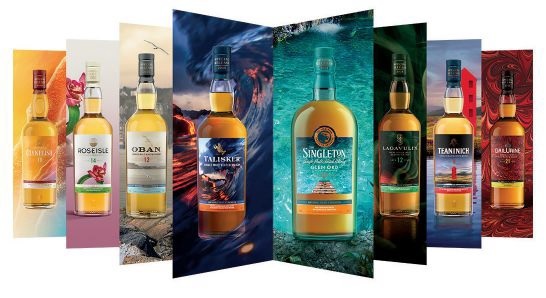
❖ Diageo unveils its first annual Special Releases collection of rarities. The collection has since evolved, with Diageo’s Prima & Ultima collection now featuring its rarest releases while the Special Releases are more affordable limited editions.
❖ New York State legalizes spirits tastings in liquor stores, and other parts of the country move to do the same. This seemingly insignificant step was extremely important because it normalized whisky tastings, putting it in a space occupied solely by wine.
❖ Bruichladdich is Whisky Advocate’s Distiller of the Year.
2002
❖ Five years after WhiskyFest launched, WhiskyFest New York is held at the Marriott Marquis, with about 1,000 attendees and 200 master distillers, blenders, and brand ambassadors on hand. The New York Times marvels at the crowd’s enthusiasm—and its use of such then-unusual terms as “expression” and “peaty” in describing their drams.
❖ Macallan launches its Fine & Rare Collection, joining Diageo’s Special Releases as being among the first to showcase scotch as a collectible luxury item. This series of vintage-dated whiskies has since grown to comprise 58 releases, with vintage dates ranging from 1926 to 1990.
❖ Old Forester releases its first edition of Birthday Bourbon, the annual release commemorating the birthday of founder George Garvin Brown. The release was greeted with little enthusiasm. It would take time for Birthday Bourbon’s quality to be recognized; in later years each annual release would sell out instantly.
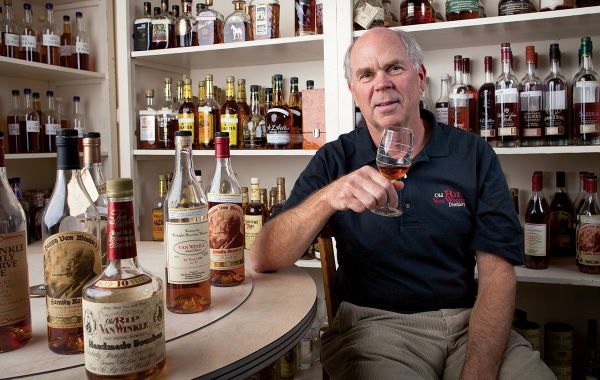
❖ Sazerac and Julian Van Winkle sign a long-term contract for the Old Rip Van Winkle and Van Winkle Family Reserve lines to be made at Buffalo Trace, ensuring the long-term continuity of the franchises, which previously had been sourced, largely from the inventory of Van Winkle’s old family distillery, Stitzel-Weller.
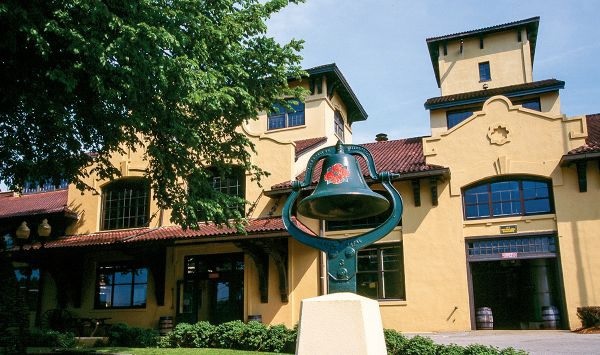
❖ Pernod Ricard offloads Four Roses Distillery to Kirin Holdings. The Japanese company already had a long relationship with Four Roses, from the days of partnering with its former owner Seagram in Japan. Kirin immediately moves to discontinue the core Four Roses blended American whiskey, which had wrecked the brand’s reputation under Seagram, and reintroduces Four Roses in the U.S. as a premium straight bourbon. Previously, the bourbon version of Four Roses had been sold only overseas (mainly in Japan). The move changed everything for Four Roses in the U.S., restoring its blighted reputation and positioning it to help lead the modern whiskey revival.
❖Macallan is Whisky Advocate’s Distiller of the Year.
2003
❖ Islay’s Ardbeg Distillery, struggling to get back on its feet after long periods of being shuttered, releases the non-age statement Ardbeg Uigeadail, a cask strength expression bottled at 54.2% ABV that was aged in bourbon and sherry casks. While it was done out of necessity due to a lack of aged inventory, Uigeadail was a bit ahead of its time, coming about a decade before supply shortages prompted the release of non-age statement scotch whiskies across the industry. (Aberlour had released its non-age statement A’bunadh expression in the late 1990s, but that was done to replicate an early 20th century style.)
❖ Also on Islay, the U.S. Defense Threat Reduction Agency (part of the Department of Defense) contacts Bruichladdich to note that one of the distillery’s 24-hour webcams is offline. Sensing a promotional opportunity, Bruichladdich spins out a story to suggest that “spies” were snooping on the distillery and then releases WMD—Whisky of Mass Distinction 1984 vintage— with the words “Big Brother” on the back label.
❖ Compass Box crafts a peated whisky for retailer Park Avenue Liquor Shop in New York City, which initially was dubbed “Monster” because of its big peat profile. It would release globally as Peat Monster the following year. Along with Islay’s superstars, it helped put smoky whiskies front and center among whisky lovers.
❖ Three childhood friends— John O’Connell, Ger McCarthy, and Denis McCarthy—start West Cork Distillers at Denis’s home in Unionhall, County Cork, Ireland using two small stills bought from a schnapps producer in Switzerland. By 2014 West Cork would move into a new home in nearby Skibbereen. Today the company has a staff of 140, an annual capacity of 16.5 million liters, and its whiskeys are sold in 70 countries around the world.
❖ Tuthilltown Spirits begins operating in the Hudson Valley, joining the early movers in craft whiskey. Tuthilltown would be acquired by William Grant & Sons Ltd. in 2017 and today is called Hudson Whiskey.
❖ Diageo rebrands its Cardhu single malt as a “pure malt”—a vatted malt made using whisky from Glendullan and other distilleries because Cardhu stocks were running low. By definition, Cardhu was no longer a single malt, so Diageo relabeled it with the new term, though the packaging remained similar. The Scotch Whisky Association (SWA) and some of Diageo’s competitors cried foul, and Diageo reversed its decision the following year, restoring Cardhu to a single malt. The SWA would eventually tighten its rules, tossing out the term “pure malt” in favor of “blended malt.” The controversy called attention to product integrity, ultimately benefiting scotch whisky.
❖ A. Smith Bowman Distillery, the Virginia whiskey maker with a heritage dating back to 1934, is acquired by Sazerac.
❖ George Washington’s distillery at Mount Vernon makes a limited first batch of whiskey, a collaborative liquid created by distillers from America’s biggest whiskey names. The long list of participants included Jimmy Russell (Wild Turkey), Chris Morris (Brown-Forman), Dave Pickerell (Maker’s Mark), and Lincoln Henderson (Woodford Reserve). The distillery would open to the public in 2006.
❖ Bruichladdich is again Whisky Advocate’s Distiller of the Year.
2004
❖ Glenmorangie and sister distillery Ardbeg are acquired by French luxury goods company LVMH, in a sign of rising interest in scotch whisky as an upscale product.
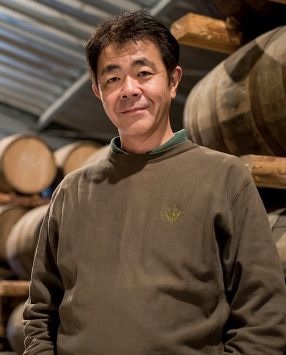
❖ Ichiro Akuto launches Chichibu Distillery in the city of Chichibu in the mountains 90 miles northwest of Tokyo. At first Akuto sells sourced whisky, launching Ichiro’s Malt Card Series—collectible aged whiskies from the demolished Hanyu Distillery that had been owned by his family. The series included 58 different bottlings—the 52 playing cards, two jokers, and second bottlings of the Ace of Spades, Queen of Clubs, King of Diamonds, and Jack of Clubs. This series struck lightning, quickly becoming a wildly sought-after collectible and raising Japanese whisky’s profile around the world. Production at Chichibu would begin in 2008.
❖ The Macallan Fine Oak series is introduced, marking a major departure from the brand’s tradition of strictly sherry cask maturation. The whiskies were aged in European sherry, American oak sherry, and bourbon casks.
❖ Stranahan’s is started up by former craft brewer George Stranahan and volunteer firefighter and home distiller Jess Graber in Denver. And in Portland, Oregon, House Spirits (later renamed Westward) is launched by Christian Krogstad.
❖ In Campbeltown, Scotland, a newly built Glengyle Distillery opens, replacing the old one that had been shuttered since 1925. It was Campbeltown’s first new distillery in 125 years.
❖ Booker Noe, longtime master distiller at James B. Beam, passes away. The distillery releases a Booker Noe 1919-2004 Memorial Edition of Booker’s bourbon in his honor.
❖ Four Roses launches its Single Barrel expression, marking the start of the distillery’s modern single barrel program and constituting a major step in the Four Roses resurgence since its acquisition by Kirin two years earlier, making Four Roses an early mover in creating the popularity of single barrel bourbon.
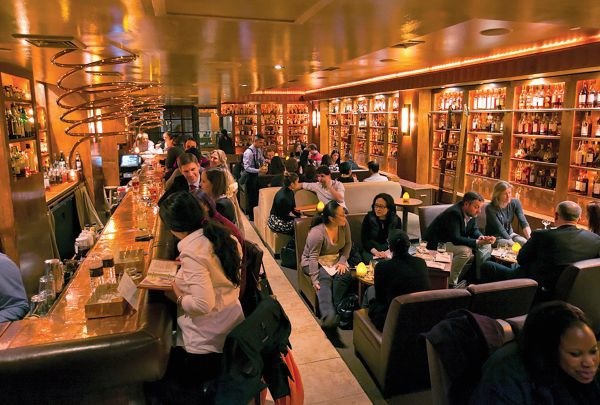
❖ Brandy Library opens its doors in New York City as a venue dedicated to the appreciation of fine spirits, a somewhat unusual bar concept at the time. It joined Delilah’s in Chicago, opened in 1993, as one of the early movers, with Delilah mainly focused on whisky.
❖ Ardbeg is Whisky Advocate’s Distiller of the Year.
2005
❖ At Buffalo Trace, Harlen Wheatley becomes master distiller as Gary Gayheart retires after 33 years.
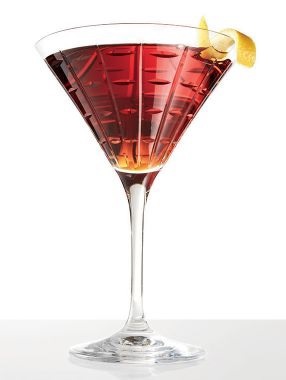
❖ While the renaissance of the American cocktail culture had begun in the 1980s, it wasn’t until the early 2000s that it truly exploded, pushed by the start of cocktail bars and the opening of places like craft-oriented Pegu Club in 2005 and speakeasy Please Don’t Tell in New York in 2007, as well as many others throughout the country.
❖ On Islay, Kilchoman fills its first cask, becoming the island’s first modern-day farm distiller and first distillery of any kind to open on the island since 1908. Kilchoman’s inaugural release wouldn’t come until 2009.
❖ Lowlands-based Daftmill, a farm distiller that only produces when it’s not farming, receives its license and can begin distilling. Somewhat surprisingly for a small new distillery, Daftmill would soon become one of scotch whisky’s most highly prized labels, and it continues to be so today.
❖ In Michigan, craft brewer New Holland starts making whiskey in an old Prohibition-era pot still. Further upstate in Traverse City, Kent Rabish discovers an old still on his family’s farm and uses it to launch Grand Traverse Distillery, which sources its grains from neighboring farms. Over in Iowa, Cedar Ridge, surrounded by corn in the nation’s biggest corn-producing state, opens for business with the mission of making whiskey that expresses Iowa terroir, but also becomes a single malt maker. Cedar Ridge then opens a winery, whose barrels will come in handy for some of its wine cask finished expressions. And in Virginia, Copper Fox opens with the idea of making smoky whiskies using applewood and cherrywood instead of peat.
❖ William Grant & Sons introduces Monkey Shoulder, a blended malt made from the whiskies of Glenfiddich, Balvenie, and Kininvie.
❖ British spirits giant Allied Domecq is sold, and its brands are acquired by Pernod Ricard and Jim Beam Brands (today’s Suntory). Pernod gains J.P. Wiser’s Canadian whisky, Ballantine’s scotch, and the Hiram Walker Distillery in Windsor, Ontario. Suntory acquires Canadian Club, Laphroaig, Ardmore, and Teacher’s.
❖ Buffalo Trace is Whisky Advocate’s Distillery of the Year.
2006
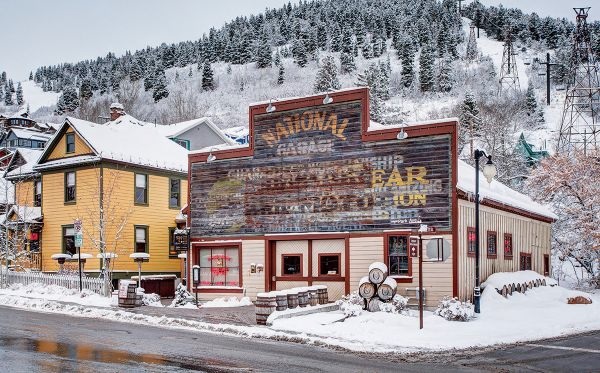
❖ As the U.S. craft movement broadens to the West, Park City, Utah’s High West sets up shop and will soon emerge as one of American whiskey’s biggest stars. Using aged ryes and other sourced whiskies, founder David Perkins and his team would go on to create some truly memorable whiskies of the age—including Rendezvous rye, Campfire, a Midwinter Night’s Dram, and Yippee Ki Yay, among others. It would also open The Saloon, a restaurant and bar in a former garage and livery stable in Park City that will become a destination billed as “the world’s only ski-in gastro-distillery.”
❖ Also in the West, Nevada rancher Colby Frey starts Frey Ranch Distillery, though its first whiskeys wouldn’t be commercially released until 2013. In Texas, Garrison Brothers opens in the Hill Country west of Austin, becoming the Lone Star State’s first craft distiller. In the South, Nelson’s Green Brier launches in Nashville, but isn’t yet distilling, while in New England, Newport Craft Distilling opens as an offshoot of Newport Craft Brewing in Rhode Island.
❖ Four Roses launches its Small Batch expression, a higher-proof, more premium whiskey than the core Yellow Label. Coupled with the previous launch of Four Roses Single Barrel in 2004, Small Batch would play a key role in the reemergence of Four Roses as a quality whiskey.
❖Buffalo Trace releases its first Experimental Collection, becoming one of the earlier movers to apply scientific discipline to whiskey making. The first three releases, all bourbons, were focused on varying char levels and different wood types: French Oak Barrel, Twice Barreled (finished a second new charred barrel), and Firepot Barrel (bourbon aged in barrels subjected to 102° temperatures for 23 minutes). The whiskeys were released in 375-ml bottles in limited quantities.
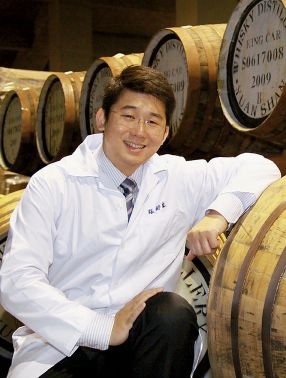
❖ Kavalan Distillery, led by distiller Ian Chang, begins making whisky in Taiwan. Its first releases wouldn’t enter the U.S. until 2014.
❖ Buffalo Trace is Whisky Advocate’s Distillery of the Year.
2007
❖ With single barrel bourbons yet to become wildly popular, retailer and whisky specialist Ryan Maloney of Julio’s Liquors in Massachusetts runs TV commercials touting his selection of single barrel picks—including a 15 year old Pappy Van Winkle retailing at $65. His customers weren’t interested. “It would just sit in our store, gathering dust,” Maloney recalls. Today those bottles would be gone in minutes.
❖ Pernod Ricard, anxious to find a buyer for the old Seagram Lawrenceburg, Indiana distillery or else close it permanently, finally gets an offer from Trinidad and Tobago-based CL Financial, owner of Angostura Ltd. The distillery that would eventually become MGP is saved from the wrecking ball.
❖ William Grant & Sons Ltd. opens Ailsa Bay Distillery, a massive complex in the western coastal Lowlands built to produce multiple scotch whisky styles and other spirits.
❖ New York holds its first liquor auction since Prohibition, which included aged whiskies and cognacs. This change constituted a major milestone in whisky’s journey to respectability, occurring in a major global auction market and boosting whisky’s image around the world. The whiskies included a Macallan distilled in 1926 that sold for $54,000, a bottle of rye from George Washington’s distillery at Mount Vernon fetched $6,000 and more than 700 other whiskies went for over $100,000 combined.
❖ Boulder Spirits is launched in Colorado by Scotsman Alastair Brogan. In California’s Central Valley, farmer David Souza, whose family has cultivated sweet potatoes and Merced rye on its farm since 1917, starts making distilled spirits, naming the distillery for his son, Corbin Cash Souza. In Wisconsin, grain-to-glass distiller 45th Parallel opens for business.
❖ The historic Kilbeggan Distillery, owned by Irish whiskey entrepreneur John Teeling, begins distilling for the first time in many years, ahead of a full reopening that would take place in 2010. At this point the Irish whiskey renaissance has yet to begin, and Ireland still has only four operating distilleries—Midleton, Bushmills, Cooley, and Kilbeggan. Little more than a decade later, Ireland would have 40 distilleries.
❖ Benriach is Whisky Advocate’s Distiller of the Year.
2008
❖ Led by Chip Tate, Waco, Texas-based Balcones Distillery opens and also delves into using alternative grains. Whiskies would include the Baby Blue heirloom corn expression, which would be released in 2009, as well as single malt Texas 1, and Rumble, a specialty spirit made from honey, figs, and turbinado sugar. On a farm in Shoreham, Vermont, WhistlePig is founded as a rye specialist, joining the movement to restore rye’s prominence while working with two hybrid stills and sourced whiskey. Middle West Spirits is launched in Columbus, Ohio, aiming to create whiskey that captures the terroir of the Ohio River Valley. In Chicago, Koval Distillery is founded by Robert Birnecker and Sonat Birnecker Hart. In Colorado, Breckenridge Distillery is opened and becomes known as “the world’s highest distillery,” located at an altitude of 9,600 feet.
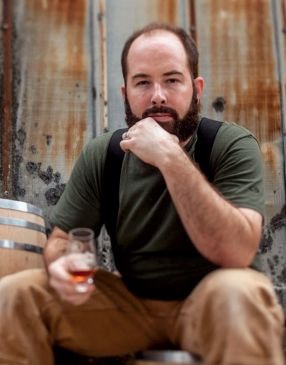
❖ Alternative grains start to become a signature innovation of the American craft movement. Corsair Distillery is founded by Darek Bell and Andrew Webber, and would go on to release expressions like nine-grain bourbon brand Grainiac four years later, made with corn, barley, rye, wheat, oats, quinoa, triticale, spelt, and buckwheat, and would become a pioneer in smoked malts as well.
❖ The super-peated Octomore expression is introduced by Bruichladdich, following the 2006 rollout of the distillery’s first peated whisky, Port Charlotte. Octomore gained an outsized reputation for being super-peated, helping to push the popularity of Islay’s peated whiskies to new heights.
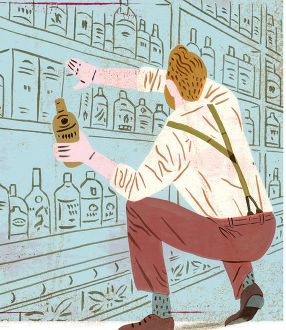
❖ Hunting “dusties,” the rare bottles to be discovered on the neglected whisky shelves of many mom-and-pop liquor stores across the country, starts to become a popular hobby with whisky lovers, fueled by the internet. Dusty hunting originated in whisky’s doldrum days of the 1980s and ’90s, when the field was wide open. As the 2000s wear on, things are starting to become more competitive, even if there are still plenty of old dusties out there to be had.
❖ Pernod Ricard, seeking to offload assets to help pay for its nearly $9-billion acquisition of Absolut vodka, sells Wild Turkey to Italy’s Campari Group for $581 million—a piece of bad timing, as the bourbon boom is getting underway and vodka is starting to trend downward after a decades-long growth run.
❖ Four Roses is Whisky Advocate’s Distiller of the Year.
2009
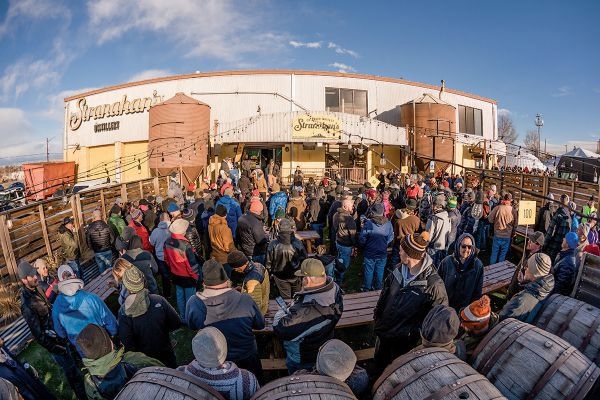
❖ At first, whisky retailers didn’t know what was happening. They would show up to open the store and find a line of people camping out to buy a newly released whisky after waiting all night. The first examples of this had been seen in craft beer, but by now the idea had carried over into whisky. While Pappy Van Winkle was the catalyst, the idea spread to all types of whisky. This cult-like phenomenon was led by small but highly prized releases, and was fueled by social media: online chat groups, subReddits, and other forums. Eventually, retailers would have to develop lottery systems and other means to keep the crowds at bay, though the all-night wait still exists today for annual releases like Stranahan’s Snowflake, which always attracts a camp-out crowd at the distillery in the run-up to release day.
❖ Tennessee enacts a new law to allow distilling statewide for the first time in 100 years. Tennessee had only three distilleries at the time—Jack Daniel, George Dickel (now Cascade Hollow), and Prichard’s—confined to the counties of Moore, Coffee, and Lincoln. Nelson’s Green Brier opens in Nashville, though it won’t release its first whiskey until 2014. Today Tennessee has about 15 whiskey distilleries.
❖ Smooth Ambler launches in Maxwelton, West Virginia, and soon is widely applauded for its clarity and transparency about using sourced whiskey at a time when there was significant confusion on the subject among whiskey drinkers. Co-founder John Little divides his whiskeys into three categories: Procured (sourced), Mingled (partly sourced), and Homemade (own make). Meanwhile, in Virginia, rye specialist Catoctin Creek opens its doors. And in Wisconsin, farmer Joe Henry and his family opened grain-to-glass whiskey maker J. Henry & Sons.
❖ The Johnnie Walker bottling plant in Kilmarnock, Scotland, is permanently closed, ending all ties with the brand’s ancestral home. Kilmarnock is the town where grocer John Walker first began selling blended whiskies from his shop on King Street in 1820, creating what would become Old Highland whisky under his son Alexander’s leadership, and eventually be renamed Johnnie Walker Black. The Walkers’ original bonded building in Kilmarnock still stands, along with a statue of John Walker.
❖ Barton 1792 Distillery in Kentucky, then known as Tom Moore, is acquired by Sazerac from Constellation Brands in a deal that included 40 spirits brands.
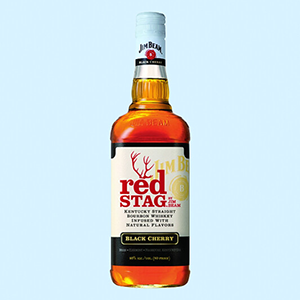
❖ Jim Beam introduces Red Stag, a flavored bourbon infused with black cherry, aimed at “entry level” whiskey drinkers and women, the latter only just starting to show an interest in whisky. The product was widely panned by aficionados, but Beam defended the move by arguing that its aim was to broaden whiskey’s audience, which it did.
❖ Cooley Distillery in Ireland is Whisky Advocate’s Distiller of the Year.