
12 Bartenders Pick Their Favorite Bourbons Under $50
Quality bottles of bourbon aren’t just for those with deep pockets. Here are 12 bartender-recommended picks that won’t break the bank
May 21, 2026 –––––– Pete O’Connell
Bourbon—let alone anything money can buy—isn’t getting any cheaper, and seeking out a great bottle on the crowded liquor store shelves can be head-spinning. Just because a bottle carries a sky-high age statement, comes in a fancy box, or hails from a well-known distillery, doesn’t necessarily mean that it’s worth the money.
Luckily, there are plenty of diamonds in the rough that punch way above their price points. To find out which bottles do just that, we consulted with bartenders from around the country and got their top bourbon picks under $50. Here’s what they had to say.
Buffalo Trace
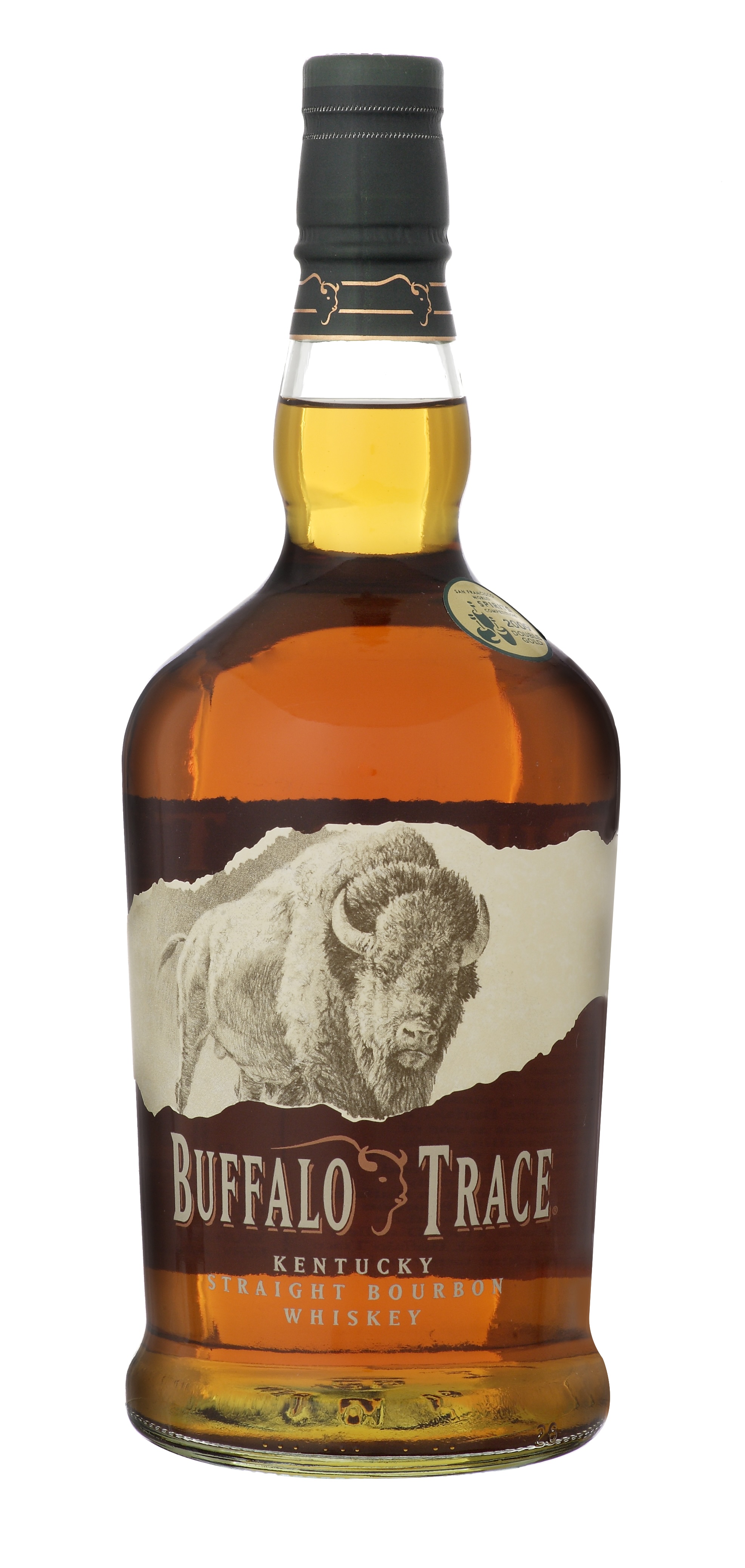
Buffalo Trace may send every die-hard bourbon nerd into a hunting frenzy every time it drops its coveted Antique Collection, but its baseline whiskey is nothing to scoff at. Meaghan Dorman, bar director of NYC’s Dear Irving and The Raines Law Room, finds it a budget-friendly option that doesn’t lean too hot and heavy or too thin or lackluster.
“I love rich stirred cocktails, and I think the vanilla, baking spice, and dry finish of Buffalo Trace pair really well with cacao, sweet vermouth, and similar elements,” she says. “I love bottles that work in all forms—on their own, in a stirred cocktail, or shaken with citrus—and Buffalo Trace is one of those.”
Elijah Craig Small Batch
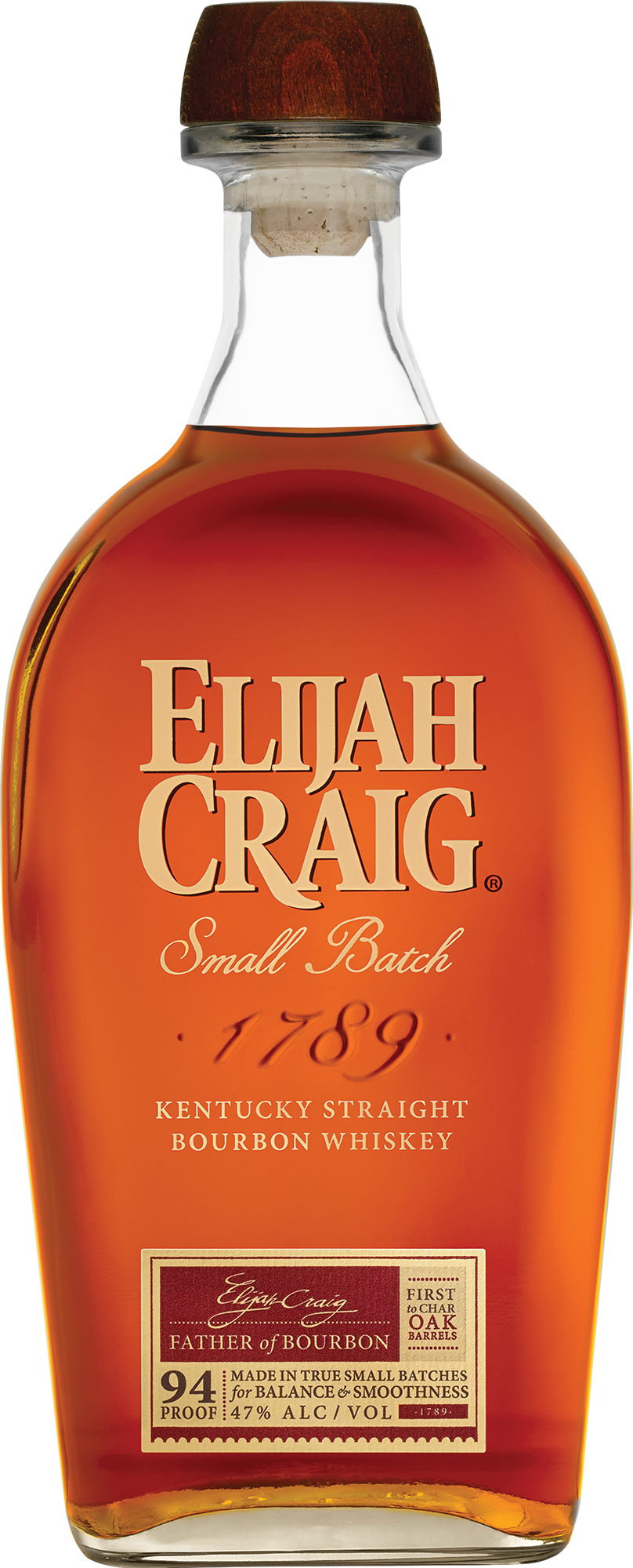
Prior to 2016, Elijah Craig carried an age statement of 12 years, but then became a blend of barrels aged between 8 and 12 years due to supply and demand. Despite that, owner of Raleigh, North Carolina’s Gussies’s and The Hippo Wine Bar, Katie O’Kane, considers Elijah Craig Small Batch her go-to bargain bourbon for its complexity and affordability.
“Like most folks, I do miss the 12-year version, but at its price, it’s a versatile bottle that I will always keep on hand in my house and in my bars,” she says. “Shaken in a cocktail, it’ll hold great texture, it does well as a neat pour, and you may catch me at home drinking it in a simple Old Fashioned around the fire pit in the backyard.”
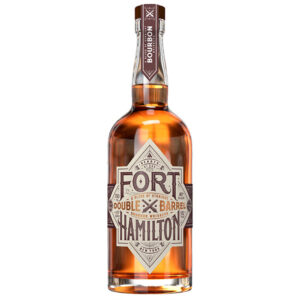
Fort Hamilton Distillery Double Barrel
When Brooklyn’s Fort Hamilton Distillery opened its doors in 2016, it set out to revive pre-Prohibition style New York rye, but still included a bourbon in its debut lineup. Double Barrel is a blend of high-rye bourbon from Indiana’s Midwest Grain Products and its in-house distillate. Mike Vacheresse, owner of Brooklyn’s Travel Bar, loves this bourbon for not only its price, but also its versatility as a cocktail component or a straight sipper.
“Fort Hamilton Double bourbon starts with classic vanilla and caramel sweetness, then the high-rye comes in with a peppery spice on the palate,” he says. “The finish also offers a light cocoa note. All these layers lend themselves well to classic cocktails or a neat pour.”
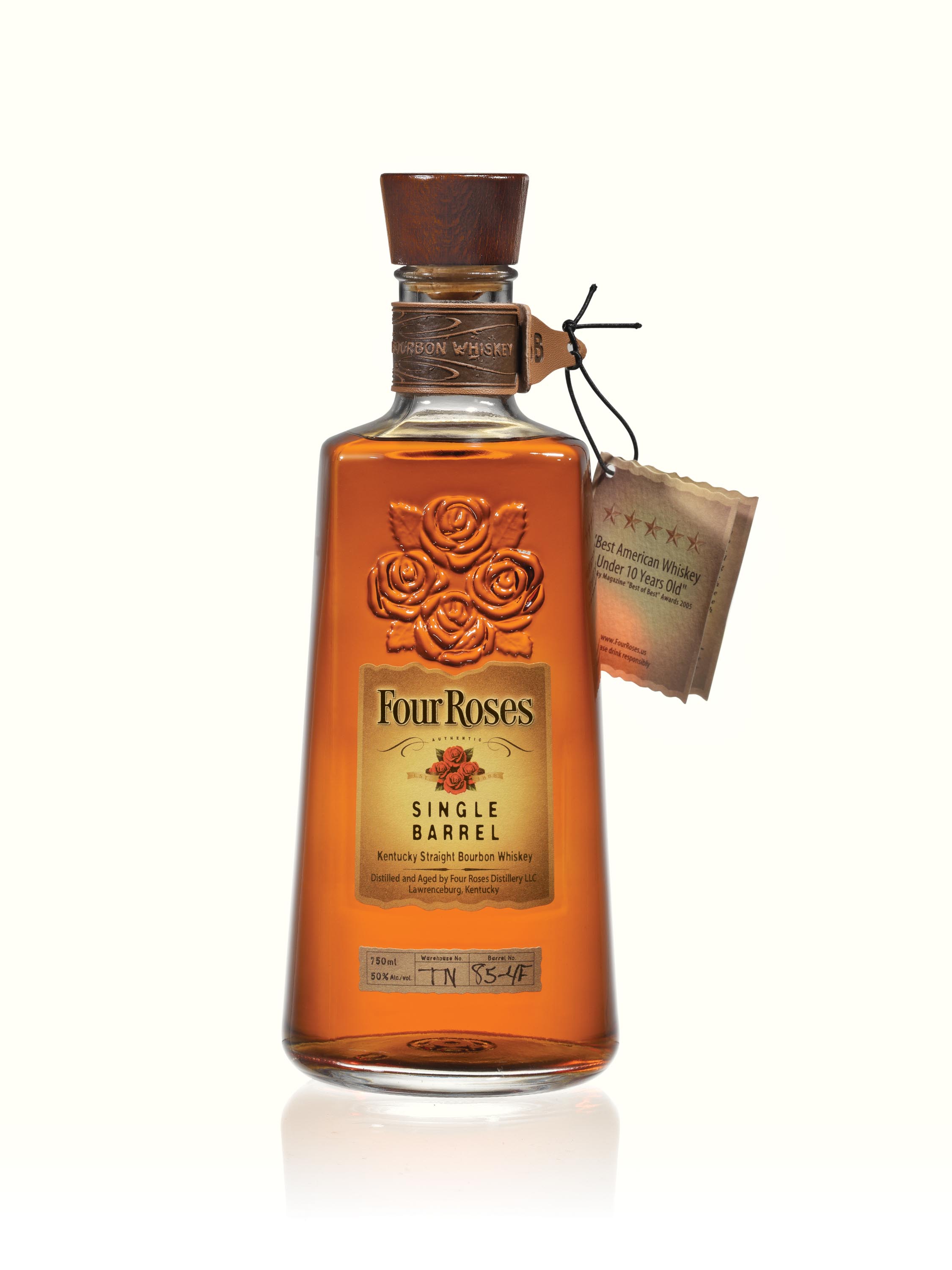
Four Roses Single Barrel
Every Four Roses Single Barrel release is crafted with a high-rye mashbill and bottled at 100 proof, but given that it’s a single barrel bourbon, its profile varies slightly from batch to batch. Nonetheless, it’s still the top budget bourbon pick for Daniela Pedraza, bartender at Avanzare and bar manager at Golden Girl Rum Club in Springfield, Missouri. As she puts it, this whiskey “always delivers.”
“Four Roses Single Barrel is a go-to for me because it hits that balance of spice and finesse,” she says. “I end up using it a lot in seasonal Old Fashioneds with fig, cacao, or coffee, where the 100 proof carries through and holds the drinks together. I gravitate toward consistency in a bottle, which is very Virgo, but I still want something with a little edge.”
High West American Prairie
While High West has been steadily increasing its stocks of aged in-house distillate over the years, the Park City, Utah distillery has made a name for itself in the world of expertly blended whiskeys since its founding in 2006. Among its many stellar blends, and one of its more modestly priced offerings, is its American Prairie. Bottled at 92 proof and crafted with a blend of whiskeys aged between 2 and 13 years, this bourbon is a mainstay in Beverley Phan’s collection at Locked Barrel in Sacramento, California.
“It balances classic notes of caramel, vanilla, and toasted oak with a subtle herbal lift that keeps it from feeling one-dimensional,” says Phan. “That versatility makes it just as compelling neat as it is in a stirred cocktail, where it holds structure without overpowering the build. For the price point, it shows a level of blending and polish you don’t always find in this tier, which is why it’s a staple in my rotation.”
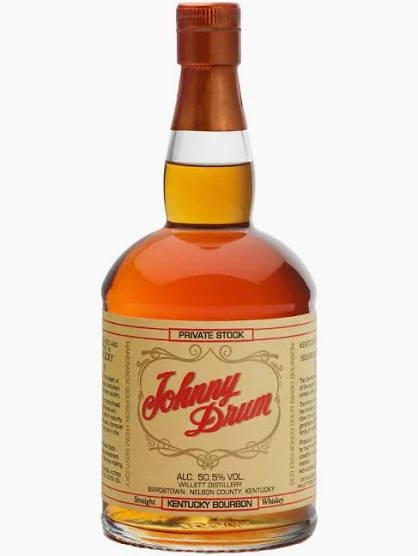
Johnny Drum Private Stock
Another less-talked-about brand under the Willett umbrella is Johnny Drum. Its most famous expression, Private Stock, is a non-age statement bourbon bottled at 50.5% ABV and crafted from a blend of two signature Willett mashbills. One is the aforementioned mash bill used to make Old Bardstown Estate, and the other is a high-rye of 52% corn, 38% rye, and 10% malted barley, resulting in a balanced whiskey with a kick of spice. For Faith Runyon, lead bartender at Bar Moxy in the Moxy Louisville Downtown hotel, this blend sings in cocktails or as a standalone sipper.
“Johnny Drum is everything I love about Kentucky bourbon. I get rich notes of vanilla and caramel with just a slight touch of citrus, keeping it bright and memorable,” she says. “Its high-rye mash bill gives it a bold spice, while the higher proof holds its own beautifully in any cocktail.”
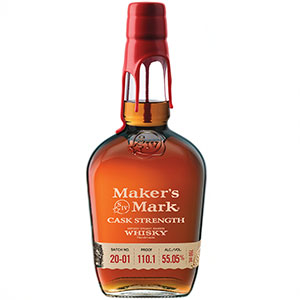
Maker’s Mark Cask Strength
Cask strength whiskeys are almost always more expensive than their lower-proof counterparts, but that hasn’t stopped Maker’s Mark from keeping its expression below $50. Although this bourbon originally debuted as a distillery exclusive in 2014, it achieved national distribution with year-round availability two years later. Depending on the batch, it usually lands between 108 and 114 proof, so it’s never searingly hot despite being cask strength.
“Because it’s wheated, it has a great sweetness to it, especially for being high proof,” says Ricky Ramirez, owner of Milwaukee, Wisconsin’s The Mothership. “It’s a little pricier for cocktails, but it makes my favorite Manhattan.”
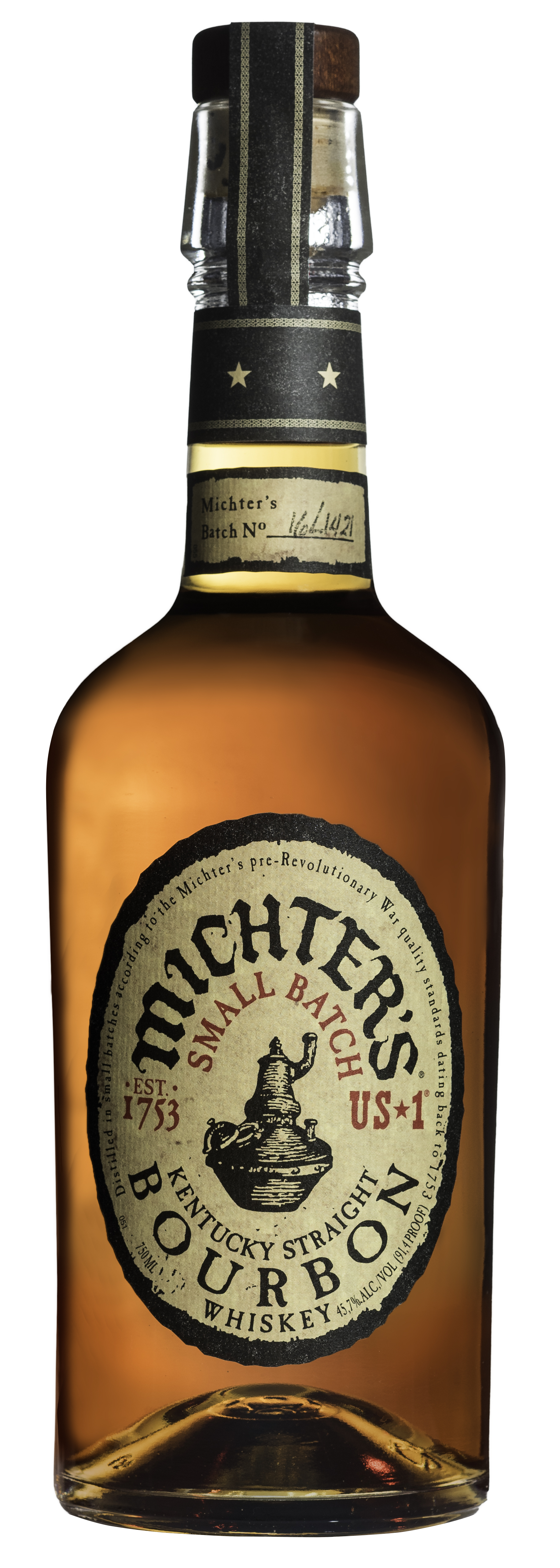
Michter’s US*1
Michter’s is a brand known for its commitment to quality and patience — so much so that former master distiller Willie Prat earned the nickname “Dr. No” for refusing to release whiskeys until they met his strict flavor standards. That said, the brand does dish out some pricey whiskeys, but Michter’s US*1 Kentucky straight bourbon can be found at most retailers for under $50. For Kassidy Scholl, bartender at Brooklyn, New York’s Mr. Melo, this flagship expression is perfect for cocktails and neat sipping alike.
“It’s earthy and not overly sweet, with delicious notes of caramel and oak,” says Scholl. “It’s tried and true, easy to understand, you’ll likely find it on most back bars, and it’s always one of my go-to recommendations for people just getting into whiskey.”
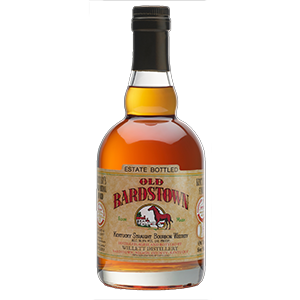
Old Bardstown Estate
Willett is a big name in the bourbon scene, but unbeknownst to many, the Kentucky distillery is home to several brands that fly under the radar. One such brand is Old Bardstown. Its Estate expression has an assertive 50.5% ABV, is aged for a minimum of 4 years, and is crafted with one of Willett’s six proprietary mashbills (72% corn, 13% rye, and 15% malted barley). To sweeten the deal, a bottle will only set you back about $40, which is why Jamie Boudreau of Seattle’s Canon recommends it as his favorite budget bourbon.
“While prices for Willett have exploded, this flavor bomb is the perfect bourbon if you're looking for a single bottle for your home that will do it all,” he says. “Need a bourbon for cocktails? This will excel. Want an everyday sipper? This is your year-round pour as it's high enough proof to warm you during the winter, but add a little water, and it'll cool you off in the summer. Want a lesser-known whiskey to impress your guests? This one will fit the bill while keeping your bank statements copasetic.”
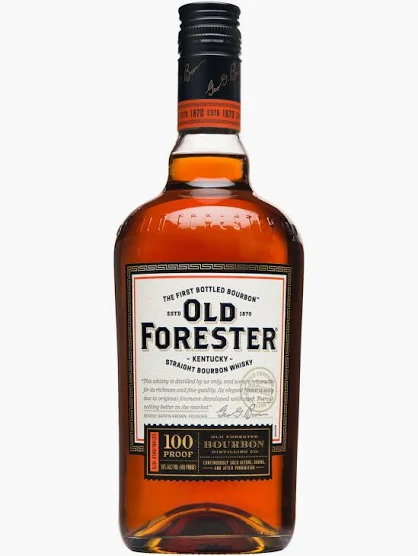
Old Forester 100 Proof
For a century, Old Forester 100 existed solely as a bottled in bond product, but that changed in 2002 when parent company Brown-Forman dropped the designation to gain blending flexibility. The bonded version is still available (now labeled as 1897), but Dan Danovsky, bartender at Louisville’s 1933 Society, feels that the non-bonded Signature edition offers more bang for less bucks.
“It’s a total workhorse—bold enough for an Old Fashioned but smooth enough to sip neat,” Danovsky says. “Plus, for half the price of its bonded sibling, you’re getting superior consistency and better value for your money.”
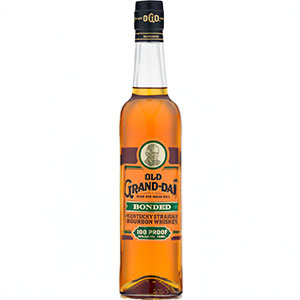
Old Grand-Dad Bottled in Bond
Many brands with many different price points come out of Clermont, Kentucky’s historic James B. Beam Distilling Co., but for Mitch Lyons, co-owner of Highball in Phoenix, Arizona, his favorite budget bourbon is the distillery’s modestly priced Old Grand-Dad Bottled in Bond. It’s aged for a minimum of 4 years and bottled at 50%. While it’s made from the same mashbill as Basil Hayden bourbon, Old Grand-Dad typically retails for under $30 per bottle.
“This high-rye bourbon has all the characteristics you need for a bourbon: It will stand up in a cocktail as well as hold its integrity over a large cube,” Lyons says. “It is a personal favorite because I find it tastes just like the outside of a peanut shell: nutty, salty, and just a hint of caramel sweetness that keeps you coming back for more. It always reminds me of enjoying a baseball game at the stadium with my dad.”
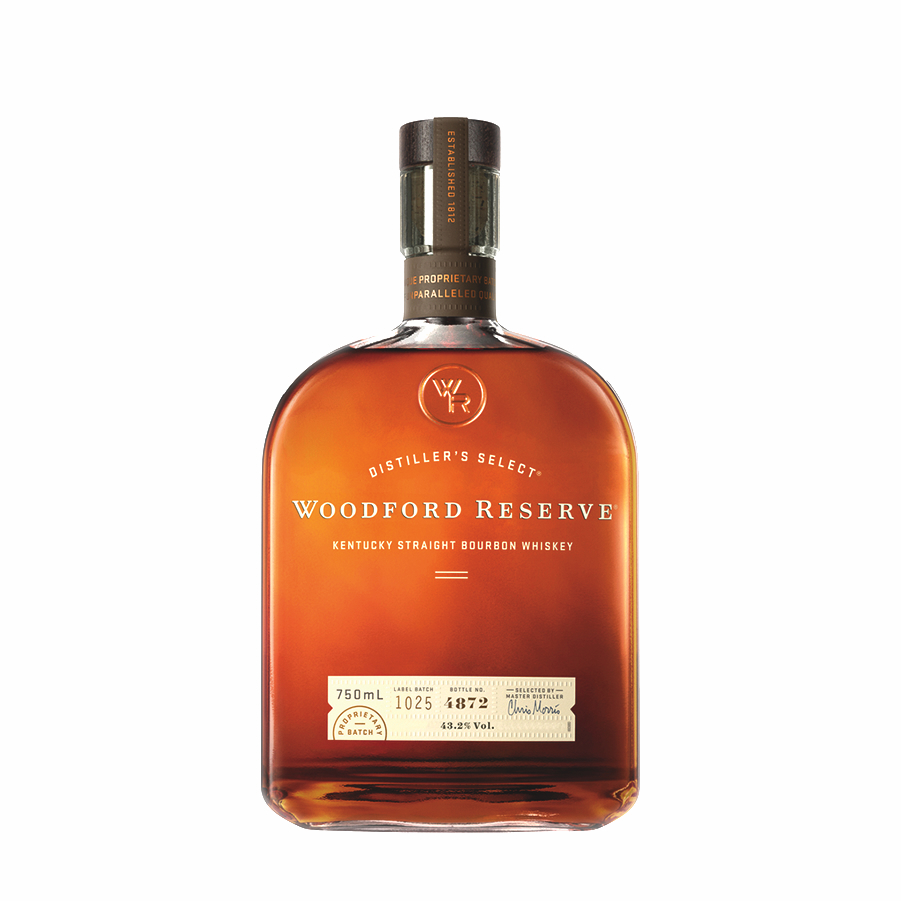
Woodford Reserve
Woodford Reserve bears many similarities to the aforementioned Old Forester 100. Both bourbons are produced by Brown-Forman, carry modest price tags, and are made with a mashbill of 72% corn, 18% rye, and 10% malted barley. What sets them apart is their respective distillation processes. Old Forester 100 is made solely with column stills, while Woodford is made with a combination of copper pot stills and column stills, resulting in a weightier texture. For Mason Picking, bartender at NYC’s Soso’s, Woodford checks all the boxes of a complex, yet versatile cocktail whiskey that doesn’t break the bank.
“The bourbon itself is a rich, pithy spice box that darts down the center of the palate enough to warm you up in the winter, but also leaves a lingering, almost tea-like quality on the palate,” he says. “Personally, I love to muddle my Woodford Old Fashioneds with an orange twist, but it’s great in just about everything else—a bourbon Boulevardier, a $30 fat-wash, a stirred rum split-base, or as a shot with a warm beer.”
.png?resize=410x0)