
Whisky of the Week: Dalmore 17 Year Old
This Northern Highlands distillery, renowned for its deep dives into sherry cask maturation, uses three different sherry cask types for finishing this one
July 14, 2026 –––––– Danny Brandon
For sherried expressions, most whisky makers don't use actual sherry casks. They instead rely on sherry-seasoned casks, which are custom-made for the specific task of holding young sherry long enough (often just a year or two) to soak up the wine’s flavor into the wood, after which the wine is usually discarded or turned into vinegar. It’s a far less expensive process than buying actual ex-sherry casks, and while proponents argue that seasoned casks yield greater consistency of flavor in the final whisky product, the actual sherry casks fetch sky-high prices for a reason. Dalmore spends serious money on real sherry casks, maintaining an exclusive partnership with the renowned González Byass bodega for over a century. That allows the distillery to access very old and rare sherry casks, said to create a deeper, more complex influence. Dalmore uses these storied casks to great effect throughout its portfolio, from its entry-level oloroso and PX-finished single malts to its six-figure unicorns fully matured in casks that held other styles. The distillery’s latest release is finished in three different sherry casks.
Triple Threat
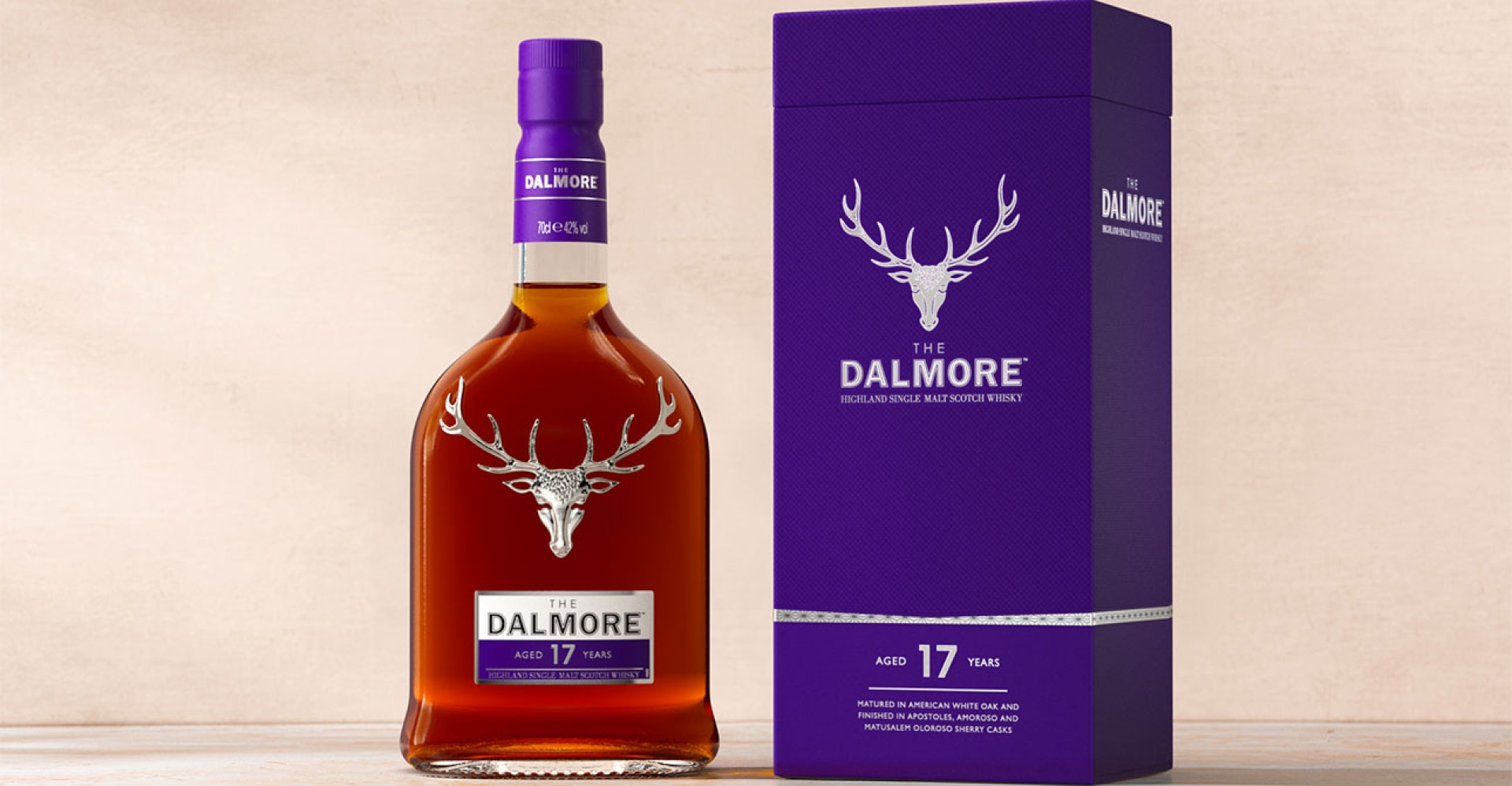
The new 17 year old belongs to the core-range Principal Collection, and represents its first new entry since 2022. It joins the collection’s non-age stated whiskies as well as its 12, 15, 18, 21, and 25 year olds. It is bottled at 42% ABV.
After aging in bourbon barrels for 12 years, it was parcelled and transferred into three different types of sherry casks for 5 years. The first one is apóstoles, a palo cortado VORS (Vinum Optimum Rare Signatum, which indicates it was aged for an average of 30 years) that the brand says lent structure, depth, and savory notes. The second type is matusalem, a sweetened oloroso that also carries a VORS designation and contributes weight, roundness, and a lingering sweetness. The final type is amoroso, a cream sherry that was responsible for bridging the gap between those other two styles in the final blend.
These three sherries are widely used throughout Dalmore’s portfolio, though the distillery typically uses one or two of them for any given expression. Matusalem seems to be something of a house favorite, with examples like Dalmore 18 and 21 both being solely finished in these casks after first maturing in bourbon barrels. Matusalem also frequently joins forces with amoroso in the distillery’s vintage-dated Select Edition collection, which features finishes in both casks. These sherries also sometimes pop up in other cask-focused projects that combine several different finishes beyond just sherry, with prominent examples including King Alexander III (bourbon, matusalem, madeira, marsala casks, port pipes and cabernet sauvignon wine barriques,) Cigar Malt Reserve, (matusalem casks, bourbon barrels, and cabernet sauvignon barriques), and the notably excellent 17 year old Luminary No. 3 (vintage calvados, matusalem, apóstoles, Bordeaux and Châteauneuf-du-Pape red wine casks, and American white oak barrels.)
This isn’t the first time that Dalmore has defied convention and used matusalem, apóstoles, and amoroso for a single release. It’s the same finishing combination used for Dalmore 15, an expression that launched in 2007 and remains popular today, prized for its heavy sherry influence.
How Does Dalmore 17 Taste?
91 points—Dalmore 17 year old Highland Single Malt (2026 Release)
ABV: 42%
SRP: $250
Availability: At select retailers nationwide
Appealingly dark, it has considerable complexity in the glass, from graham cracker to rye bread and even sweet apples. Water brings out gingersnaps along with a dusting of cocoa powder, and it carries a bit of pleasant spice on the finish.—David Savona