

Vintage Dated Whiskies
Pick your favorite year. Vintage-dated bottlings are a rare, fun treat
July 9, 2026 –––––– Danny Brandon
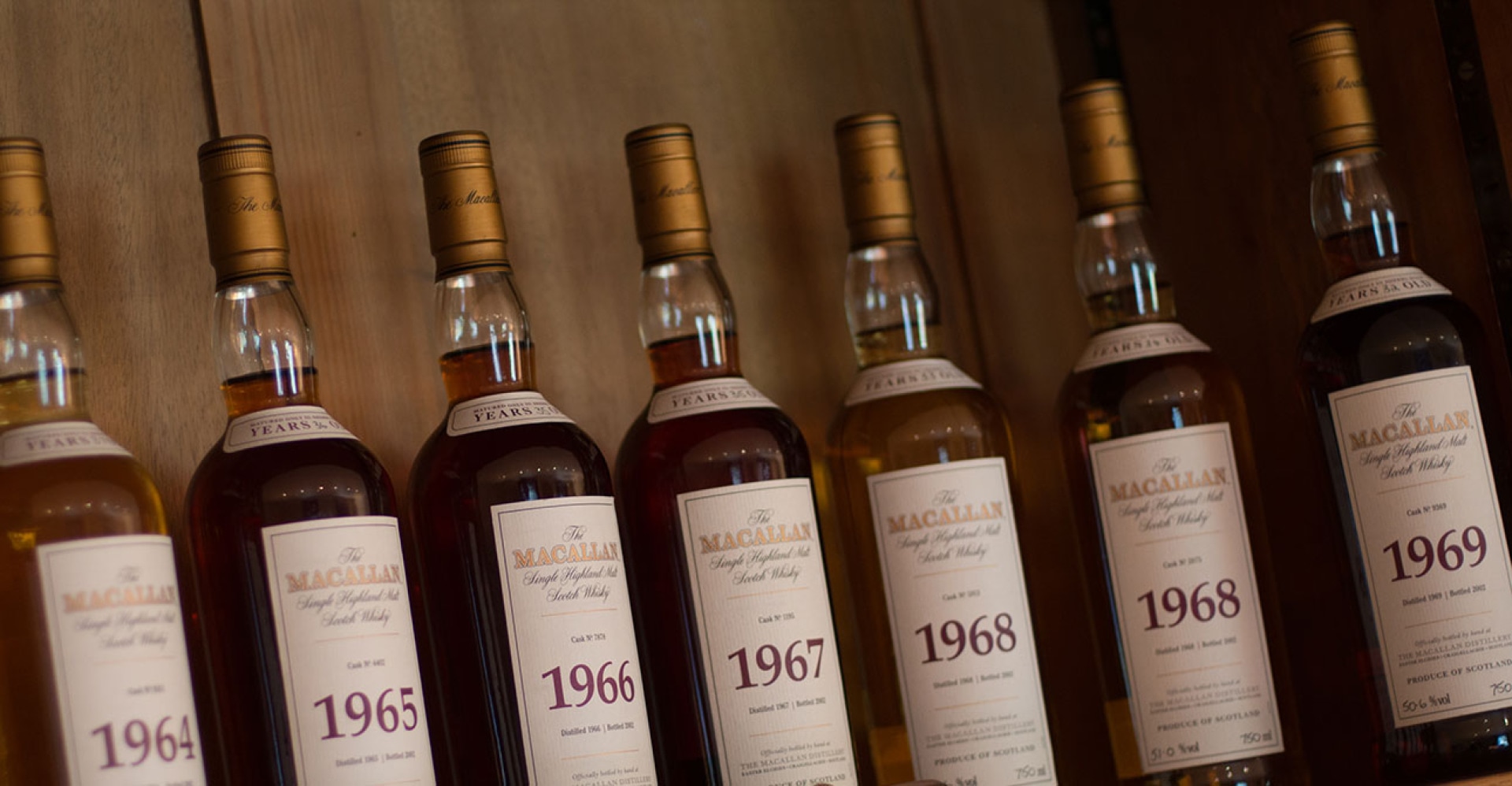
Vintage statements are de rigueur among fine wine lovers, as the weather conditions surrounding a given year’s grape crop make all the difference in a wine’s quality. Whisky makers tend to blend stocks distilled in a variety of years for their bottlings, so vintage-statement expressions—which state the year of distillation right on the label—are rare. But there are plenty of exceptions, and in addition to often being of top quality, vintage-dated whiskies are a fun way to commemorate milestones and memories in people’s lives.
Historically, scotch whisky has been the best place to find vintage-dated expressions. That’s still true today, though the practice has somewhat gone out of fashion in recent years. Vintage-focused labels like Glenrothes and Balblair have transitioned to age statements, and Diageo’s annual Distillers Edition series— featuring single malts from Oban, Dalwhinnie, Cragganmore, Glenkinchie, Lagavulin, and Talisker—stopped carrying vintages in 2022. But the practice is still alive and well among independent bottlers— often with ultra-exclusive collectibles, but with some very affordable offerings as well.
Among the more prominent independent bottlers in the vintage-dated scotch space is Gordon & MacPhail, which offers a vast array of vintage whiskies—many of them at quite reasonable prices, including a 2006 Royal Brackla for £100/$136, a 2009 Linkwood for $191, a 2004 Glendullan for £160/$219, and numerous others moving up the pricing ladder. Independent bottler Signatory Vintage specializes in single cask whiskies from a variety of years, with labels such as Cambus 31 year old for $223 and 2006 Glenlivet priced around $150. Other Scottish independent bottlers worth checking out include Cadenhead’s and Adelphi.
Independent bottlers are the best places to find vintage scotch whiskies. Many offerings are collectibles, but a surprising number are quite reasonably priced.
On the producer side, two prolific Highland distillers have long maintained vintage cask collections that span multiple decades. First came Macallan’s Fine & Rare Collection in 2002—arguably the world’s most extensive collection of vintage-dated whisky, containing nearly 60 separate expressions that span from 1926 to 2000. Not to be outdone, rival Glenfarclas introduced its Family Casks series in 2007 with a full vertical of vintages from 1952 to 1994. The most recent additions came last fall with the release of whiskies from 2002, 2009, and 2010. Both the Macallan and Glenfarclas series are favorites among collectors, who love buying multiple bottles of different vintages to do comparative vertical tastings. But the price of procuring these whiskies—especially for Fine & Rare, where two separate bottles sold at auction for more than $30,000 each in December—means that the prospect is out of reach for most of us.
Bruichladdich Distillery has long done things its own way, and Mark Reynier, who led the distillery’s revival in the early 2000s before it was sold to Remy Cointreau in 2012, always sought to bring a winemaking sensibility to his whisky work. That has meant using specific grains as well as vintage dating for the whiskies. (The vintage approach also made the distillery’s younger releases more saleable during its recovery years, though the practice very much continues to this day.) Master blender Adam Hannett routinely includes vintage statements on expressions like Bruichladdich Islay Barley, Bere Barley, and Organic Barley, focused on barley grown in different regions. Batches are labeled with the grain’s harvest month and year, along with information on average temperatures, rainfalls, and sun exposure, but the whiskies themselves are distilled in a single year. On the smokier side, Hannett sometimes includes vintage statements on Port Charlotte releases, like the latest Cask Exploration expression, SYC:01, a 2013 vintage single malt finished in syrah casks that scored 94 points with Whisky Advocate.

Other Scottish distillers dabble in vintage- dated releases. Dalmore offers its Distillery Select Series, loaded with rare vintage whiskies released annually. Ardbeg offers some vintage-dated whiskies, led by the Vintage_Y2K Series, which features stocks distilled in 2000, though they are typically very limited, ultra- collectible expressions from its pre-revival days in the 1990s and even the 1970s. Glendronach releases vintage whiskies, too, though also limited and without a dedicated program. The distillery’s gift shop currently sells one vintage expression, a 29 year old Oloroso Cask distilled in 1993, though others can be tasted at the distillery’s bar.
One small scotch whisky maker that’s fully dedicated to vintages is Daftmill, a tiny farm distillery in the Lowlands. Launched by brothers Francis and Ian Cuthbert on the family farm in 2005, Daftmill makes whisky exclusively from the farm’s grain in summer and winter, when farm work is quiet. The first single malt release came in 2018, carrying a 2005 vintage statement. All subsequent Daftmill releases, including both vattings and single casks, have followed that template— bottled after 11–15 years and always carrying a vintage statement. Daftmill has a cult following, and for good reason: One of its latest releases, the 2010 vintage, scored 94 points with our tasting panel.
Vintage American
Most American distillers don’t put vintage statements on their single barrel whiskeys, though some include “filled-on” dates on the neck or back label. Their absence is mainly due to historical and cultural reasons: In the UK, the scotch whisky and wine trades were always closely intertwined, whereas American whiskey makers had no such connection with the wine world. For batched releases, U.S. producers prefer to use a bottled in bond statement. Those whiskeys must be distilled in a single season and thus are indeed vintage whiskeys, but bottled in bond is a far more saleable term to American audiences, who know it as a stamp of quality.
Still, there are some very worthy non-bonded vintage expressions on the American whiskey scene. The most prominent is Old Forester’s Birthday Bourbon, whose annual vintage-dated releases commemorate the birthday of founder George Garvin Brown every September. The inaugural release came in 2002—aged for around 13 years and carrying a 1989 vintage statement. Birthday Bourbon now spans 25 batches (2003 and 2017 each had two). Master distiller emeritus Chris Morris notes that inspiration for including a vintage statement came from scotch single malts. But rather than merely focusing on a single year, Birthday Bourbon blends individual barrel lots that were all produced on the exact same day. “I wanted vintage to mean the rarest thing possible,” says Morris. “A single day of production.”

Each Birthday Bourbon batch is meant to capture a specific experimental production method, and Morris argues that narrowing the scope to single-day lots helps highlight notes that would otherwise be lost in a larger blend. The latest batch rolled out last September, and is the first sweet mash whiskey in the series, blended from 210 barrels. It was distilled on April 5, 2013, immediately following a routine maintenance shutdown that left Old Forester without backset for mashing. Morris recalls that the team did a sweet mash run to create backset, and the resulting distillate caught him by surprise, displaying a far fruitier profile than usual. When it came to proofing, Morris went with a lower 46% ABV, leveraging more water in order to underline some of those fruit notes.
Heaven Hill is fairly active in vintage whiskeys, with its Evan Williams Single Barrel being one of the market’s few vintage-dated bourbons. Master distiller Conor O’Driscoll has also made strides with the recent Grain to Glass series, launched in 2024 and offering three vintage-dated mainline releases annually. That project has seen Heaven Hill collaborate with Indiana seed company Beck’s Hybrids to select the corn varieties grown by local farmers, which are ultimately distilled into bourbon, rye, and wheated bourbon. O’Driscoll recommends drinking the different years alongside each other to suss out the nuances between them.
Vintage Dated Whiskies to Try
 94 points - Ardbeg 2000 Vintage_Y2K Islay Single Malt, 46%, $800
Ashy soot smoke, peppermint creams, doughnut custard, and licorice
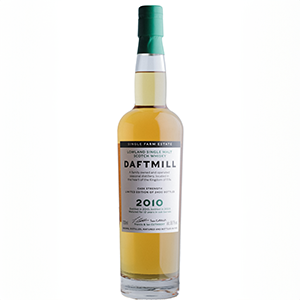 94 points - Daftmill 2010 12 year old Cask Strength Lowland Single Malt, 58.7%, $325
Dried leaves, honeysuckle, banana cream pie, and lemon tart
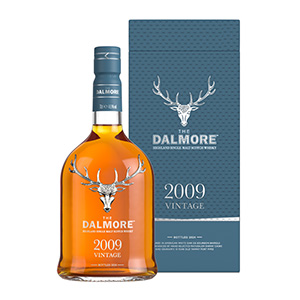 94 points - Dalmore 2009 Select Edition Highland Single Malt, 48.9%, $225
Stone fruit, flourless chocolate cake, candied nuts, and caramel
94 points - Heaven Hill 2018 Grain to Glass Bourbon (2025 Release), 52.5%, $100
Dried herbs, baked red berries, rye spiciness, and bitter chocolate
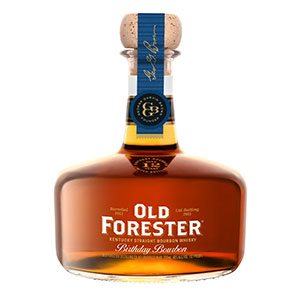 94 points - Old Forester 2013 Birthday Bourbon (2025 Release), 46%, $200
Tobacco leaf, savory spice, red berries, and cherry cough drops
94 points - Port Charlotte 2013 Cask Exploration SYC:01 Islay Single Malt, 54.4%, $150
Aromatic peat, red berries, honeyed vanilla, and peppery spice
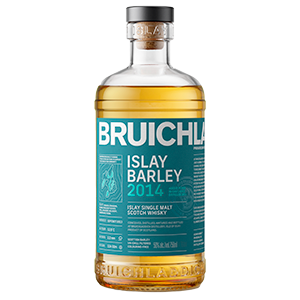 93 points - Bruichladdich 2014 Islay Barley Islay Single Malt, 50%, $85
Citrus zest, ocean breeze, lemon pound cake, and well-worn oak
92 points - InchDairne 2018 Ryelaw Lowland Single Grain, 46.3%, $99
Black currant mousse, baked cherry, warming toffee, and ample spice
.png?resize=410x0)
