
Glenmorangie's Oldest Whisky Yet Is a $36,000, 50-Year Time Capsule
A half-century in oak transformed this rare scotch. But the real story begins with the way Glenmorangie made whisky in the 1970s
September 24, 2026 –––––– Sean Evans
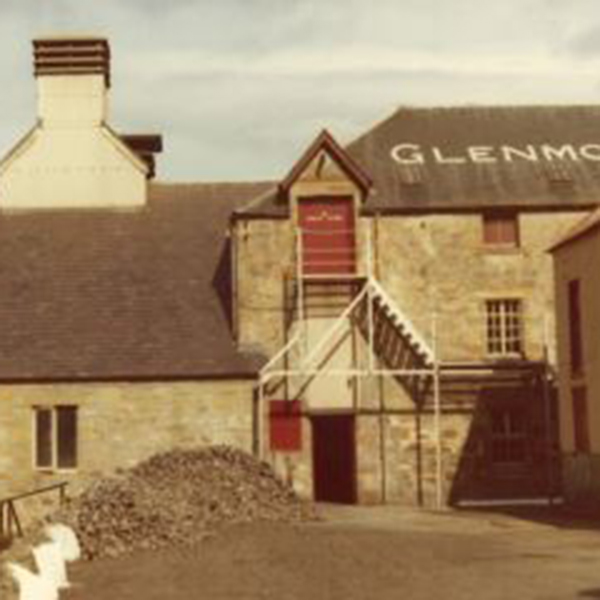
Glenmorangie’s newest whisky comes from a distillery that no longer exists. Not literally. But when the spirit that became Glenmorangie 50 year old first ran from the stills back in the mid-1970s, the distillery had only two stills, malted its own barley, and dried that barley with a small peat fire. None of that is true of Glenmorangie today.
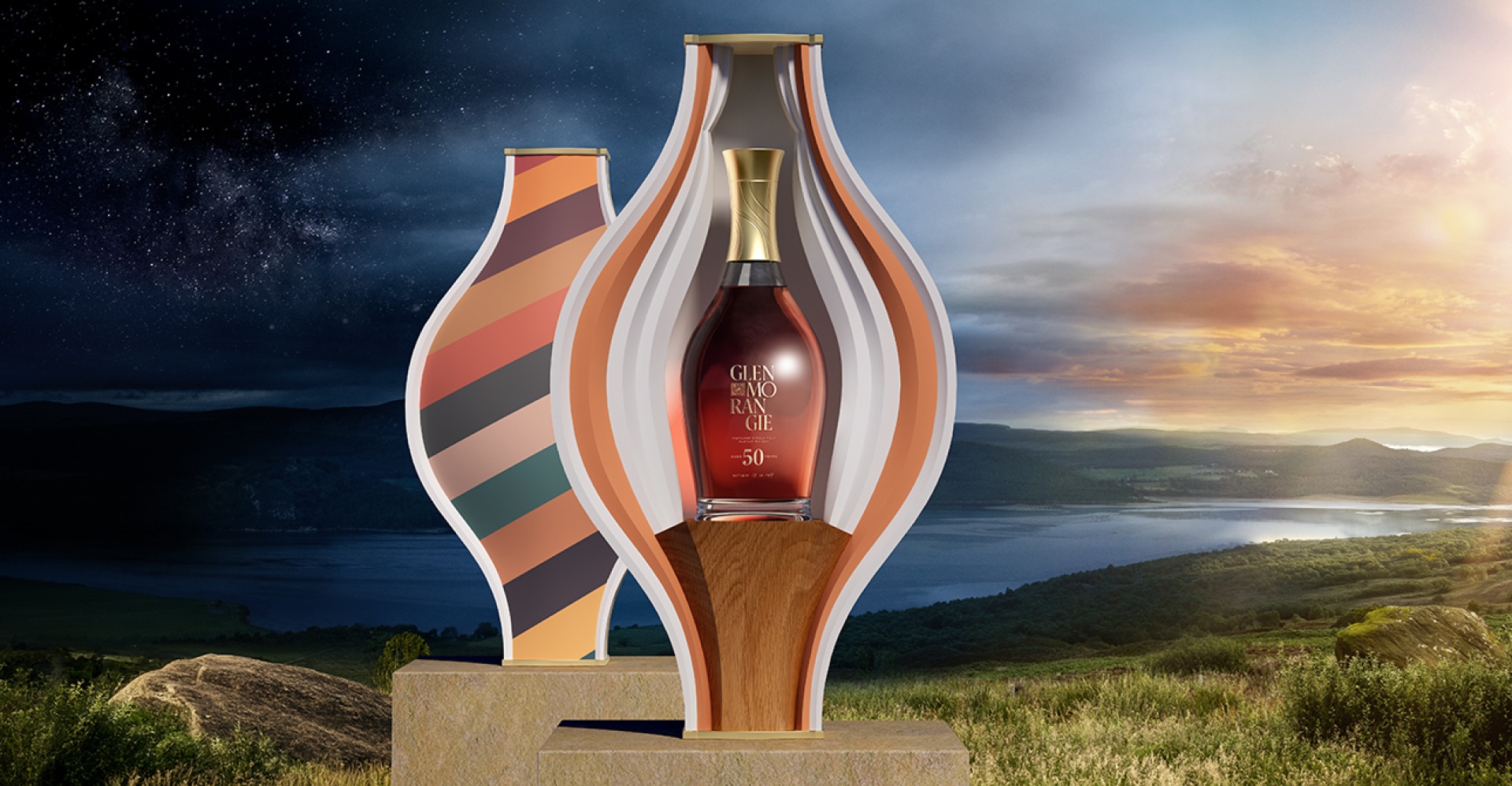
Which makes the oldest single malt whisky the Highland distillery has ever released something more interesting than merely old. Limited to a scant 149 bottles and priced at $36,000, Glenmorangie 50 year old has a unique flavor, distinct from what it produces today.
“The original tall two pot stills were fitted in 1887, so the stills that this spirit has been distilled in were almost certainly replacements, as the copper would be very unlikely to have lasted 90 years,” Glenmorangie’s director of whisky creation Dr. Bill Lumsden, MBE, tells us, adding that at that time, “there was just one wash still and one spirit still.” (It doubled to four during a 1977 expansion, then doubled again to eight in 1990, and reached its current 12 in 2009.)
The stills would’ve affected the character of mid-1970s new make at Glenmorangie, though not as much the barley. Home-malted barley would be dried over a small peat fire, “giving it a gentle background smokiness,” says Lumsden, “not tar or creosote notes like you get with Ardbeg, for example, but a lovely, subtle woodsmoke.”
Lumsden joined Glenmorangie in 1995, when this whisky was already old enough to order itself a drink. In 1999, a handful of bourbon barrels and a single sherry butt were combined at a ratio of 75% bourbon-matured to 25% sherry-matured whisky and transferred to a secondary marrying cask. This decision was partially because Lumsden says the sherried flavors, “such as toffee, sultana, and brown sugar, balance out the spiciness and the smokiness from the floor-malted barley.”
The first sample from that married cask wasn't drawn until 2014, some 15 years later, when the whisky was 38 years old. As the whisky approached its fifth decade, Lumsden and his team began checking it at increasingly shorter intervals, particularly from age 47 onward. The danger at this point wasn't that the whisky needed more maturity. It was that another year—or perhaps another season—might be one too many.
For Lumsden, the decision to bottle came when the equilibrium was ideal. “It was deemed ready when the balance between wood influence and base fruity flavors was right,” he says, “avoiding the heavy wood dominance often seen in other old bottlings.”
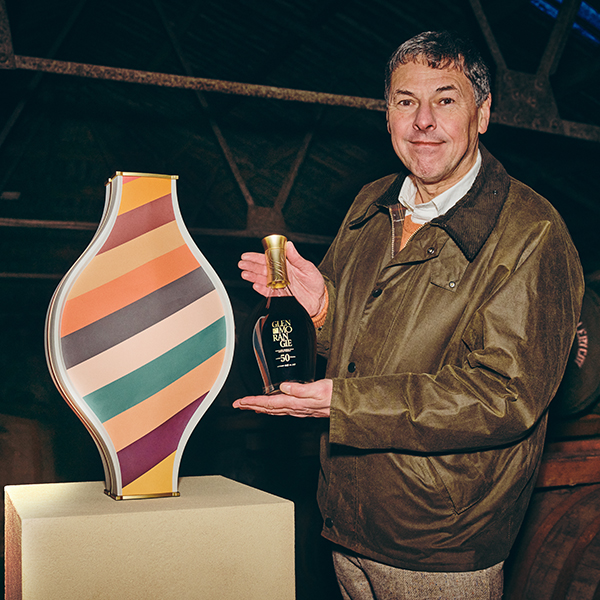
The final cask yielded enough whisky for exactly 149 bottles of Glenmorangie 50 year old, plus a small amount reserved for sampling. According to Lumsden, that particular cask is now empty, with nothing stashed away for an encore. There is, however, a tantalizing footnote about the sibling casks that fed the 1999 marriage cask. “There is a very small amount of remaining stock from that era, which is being monitored closely,” says Lumsden, adding there are currently no plans for it.
According to the brand’s tasting notes, Glenmorangie 50 year old opens with amber, cardamom, sultanas, nutmeg and baked orange, followed by toffee, leather, and a faint herbal note. The palate brings pepper, stewed Assam tea, birch tar, cinnamon, grape must, and oak tannin, before a long finish of aniseed, treacle toffee, and eucalyptus.
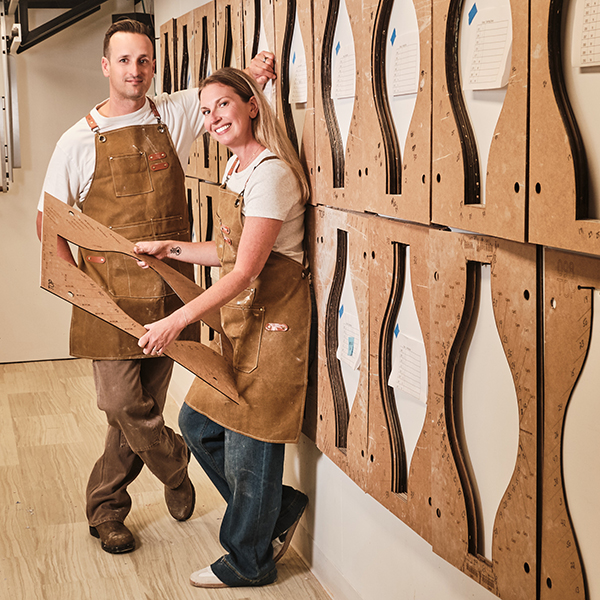
As for the bottle’s encasement, American ceramic artists Peter and Laurie Pincus were commissioned to create 149 individual display vessels, a three-year project that involved developing new techniques and 50 custom pigments inspired by the whisky’s tasting notes. Each vessel has a unique hand-applied pattern, but the 149 pieces also fit together into a single tessellated artwork titled “Together in Spirit.”