MAXBLACK/GETTY IMAGES

Is Peated Whisky In Peril?
Scotland has proposed ending the sale of peat
July 15, 2026 –––––– Jonny McCormick
For whisky lovers, peat is scotch’s most distinctive calling card. Long associated with Islay, peat’s story now extends far beyond the island—its enduring appeal has inspired peated whisky production well beyond Scotland’s shores. Smoky expressions have emerged from Ireland to India, and across the Pacific Rim from Asia-Pacific nations to the western coasts of the U.S. and Canada. Many of these distillers still prize Scottish peat or peated malt for its distinctive character, but a growing environmental spotlight on healthy peatlands may threaten their availability in the years ahead.
The Scottish Government has proposed ending the sale of peat in Scotland. The plans indicate phasing out peat sales in retail horticulture for amateur gardeners, and extending to professional use, before broadening to a general peat ban for all purposes, with exemptions. Peated whisky makers will disagree with politicians and environmentalists.
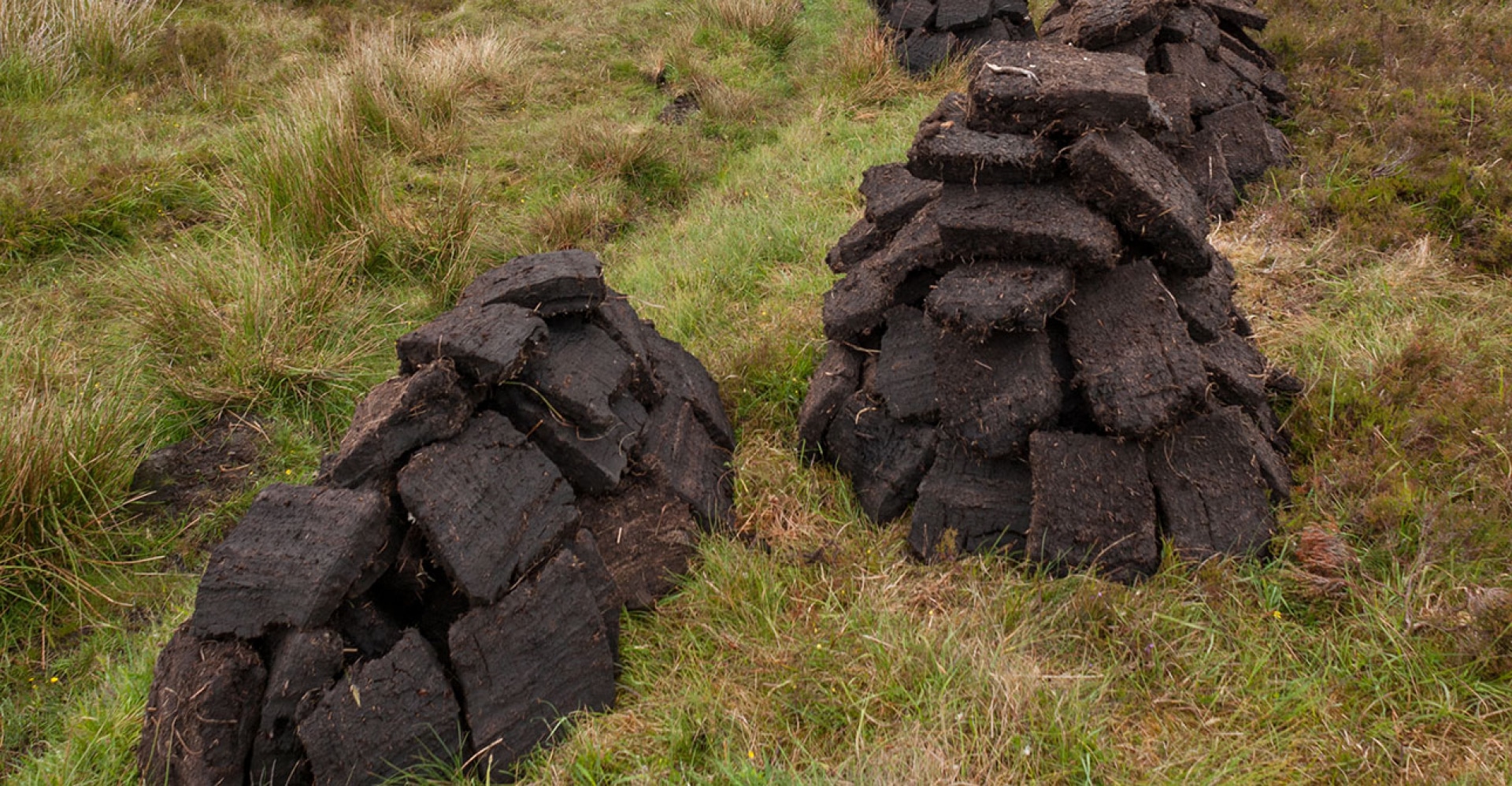
Peatlands cover around one-fifth of Scotland and are recognized as vital carbon stores that support climate regulation, promote biodiversity, and improve water quality. Around 80% of peatlands have been degraded due to historical drainage, extraction, forestry, and overgrazing. Between the mainland and islands, Scotland had more than 20 licensed peat extraction sites covering over 2,500 acres at the start of this decade, but that number is shrinking as licenses expire and environmental scrutiny intensifies. These peat extraction sites are owned by a mixture of private landowners, environmental groups, and commercial entities. The whisky industry currently accounts for about 2% of annual peat extraction. Scotland supplements its barley supplies for malting with imports, and in turn it exports peated malt overseas, though demand varies from year to year. High-quality peated malt from Scotland is a specialized product, coveted by distillers worldwide, and is economically important for maltsters and farmers already affected by the downturn in the whisky market. Pencaitland Maltings, for example, has processed barley from the fertile fields of southeast Scotland since 1978, but is set to close in 2026 with the loss of 19 jobs, underscoring how fragile the supply chain has become.
Peatlands cover around one-fifth of Scotland and are recognized as vital carbon stores that support climate regulation, promote biodiversity, and improve water quality.
Key extraction sites supporting scotch include St. Fergus Moss near Peterhead, Tomintoul on Speyside, Machrahanish near Campbeltown, Hobbister Moor on Orkney, and Castlehill, Laggan Moss, and Glenmachrie Moss on Islay. Securing access often means owning, managing, or leasing land, as approval for new commercial peat extraction sites is increasingly unlikely. While there are no peat quotas, projected annual extraction figures are required for any planning applications or renewal documentation. Peat itself is far from uniform. Research shows that peat extracted from different depths and locations imparts different flavors, adding another layer of complexity for distillers seeking consistency. Baird’s Maltings in Inverness draws from multiple sites, while Port Ellen Maltings uses peat from Castlehill on Islay, though it occasionally turns to mainland sources when required.
Looking ahead, whisky needs a long-term peat strategy—one that balances tradition with environmental responsibility, and secures exemption from any bans or extra taxes.
That may mean using smaller quantities of peat, improving efficiency, recycling smoke, wider use of peated cask finishes, and bolstering supplies with peat unearthed at construction sites. Scotch whisky companies—including Diageo’s, Glenmorangie’s, and Suntory Global’s joint initiative to invest $2.1 million to restore 2,471 acres of The Oa Nature Reserve on Islay, launched last December—alongside government and third-party organizations, have pledged significant funding toward peatland restoration initiatives. The search is also on for peat alternatives, though this will be challenging. The smoke that defines peated whisky has always been shaped by time. Ensuring it survives the decades ahead will require foresight, compromise, and a willingness to adapt.