JEFF HARRIS

Exploring Single Estate Tequila
Some distillers are going the single estate route
July 15, 2026 –––––– Julia Higgins
Tequila’s rise as an artisanal spirit has also come with a mounting appreciation for the agricultural product that makes the spirit possible: agave. While agave isn’t quite as affected as wine grapes by terroir, many tequila makers today are dedicated to shining a spotlight on the diversity of agave and its regions, and how that diversity impacts flavor. In doing so, they’ve created a unique space: single estate tequila.
The concept of bottling single estate tequila is a relatively new one, popularized by Tequila Ocho founders Carlos Camarena and Tomas Estes (the latter of whom passed away in 2021, leaving Camarena as the sole head of the brand). In creating Ocho, the duo wanted to steer the tequila conversation toward terroir, and let the agave tell a story of its own. “Terroir has been very common in the wine industry for years, but there was this thought that it was exclusive to wine—that a distilled spirit couldn’t showcase terroir,” says Camarena, a fifth-generation agave grower and third-generation tequila maker. “The goal with Tequila Ocho is to highlight that terroir does in fact exist in tequila, and we’re doing so by using only one estate’s agave at a time.”
Camarena’s family has farmed blue Weber agave in the Jalisco Highlands since 1860, and while they’ve made tequila from the offspring of those same plants since 1937, it wasn’t until the advent of Ocho that any distinct estates were singled out for bottling. First and foremost a farmer, Camarena was certain that every batch of agave coming in would express itself differently, even if they came from the same general region. “Even within the Highlands, we have different altitudes, microclimates, soil, and overall conditions,” he says. “As we bottle different estates, we’ve seen different nuances in flavor and aroma according to how and where the agave was grown.” Ocho primarily pulls from estates located in the Jalisco Highlands towns of Arandas (where its distillery is located), Jesus Maria, and Atotonilco— an area considered the “golden triangle” for agave growing thanks to its climate and soil conditions.
There are no official guidelines governing the production of single estate tequilas; for Camarena, that’s a plus, since he modifies production based on each estate. “Some agaves are softer than others, and therefore you need less hours to cook the agave; the more rigid the agave, the more cooking you need,” he explains. “A more rigid agave will usually have less juice, too, and therefore need a modification to the fermentation, and ultimately the distillation as well.” Tequila Ocho currently makes blanco, reposado, and añejo single estate tequilas, and Camarena notes that exploration into estates outside of the Highlands is underway.
While not strictly in the single estate category, one producer looking at the concept in a related way is Mijenta. For its limited edition Maestra Selection No. 2 blanco, master distiller Ana María Romero Mena sourced agave from single estates in each of tequila’s five territories—Guanajuato, Jalisco, Michoacán, Nayarit, and Tamaulipas—distilled them separately, and then blended them together. She compares her process to that of winemaking in Bordeaux, where winemakers blend different grapes from different vineyard plots for the fullest of flavors, and she notes that each agave growing region brings something different to the table. “In the Jalisco Lowlands, you can find spicier, fruitier agave, but then you go to Tamaulipas, and there’s more minerality in the soil, which leads to a fresher, more mineral tequila,” she explains. While Mijenta Maestra Selection No. 2 was a one-off release, Romero Mena’s exploration into single estates and the five growing regions will continue, and likely result in future bottlings.
Single estate expressions are tequila’s answer to the terroir issue. If you’re up for a tour of tequila’s agave growing regions, try one of these.
Single Estate Tequilas to Try
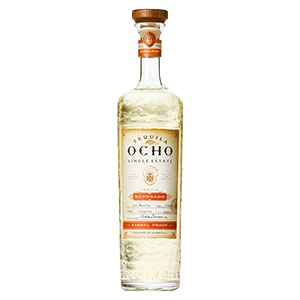 Tequila Ocho Barrel Proof Reposado, 50.5%, $84
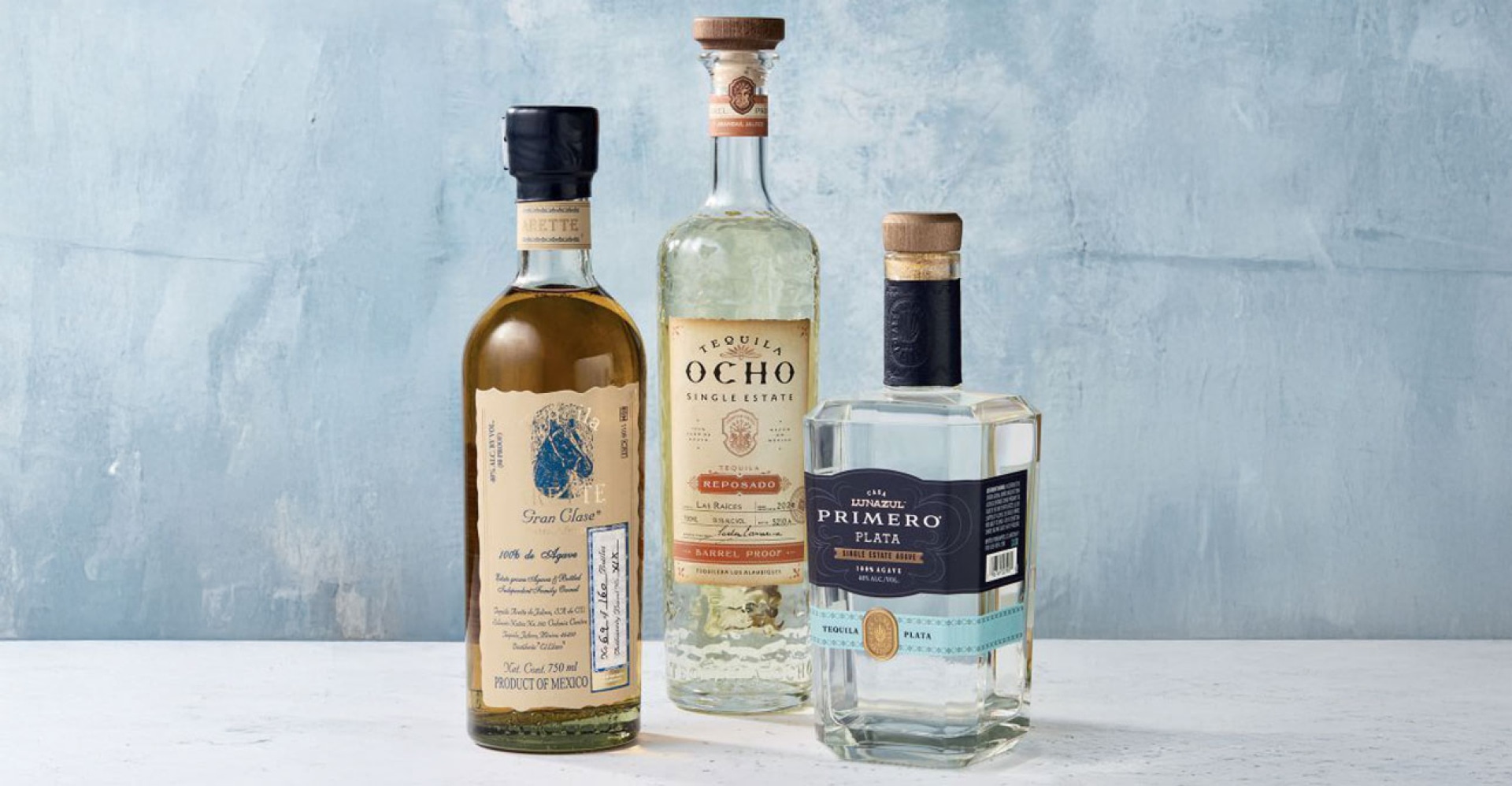
Made with agave from Tequila Ocho’s Las Raíces estate in the Jalisco Highlands
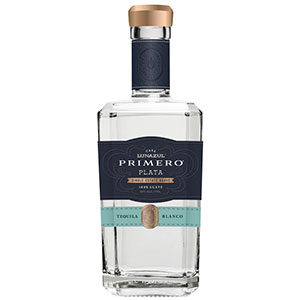 Lunazul Primero Plata, 40%, $32
A blanco made from agave grown on the Beckmann Estate in Tequila, Jalisco; the microclimate of the estate produces agave plants with high sugar yields.
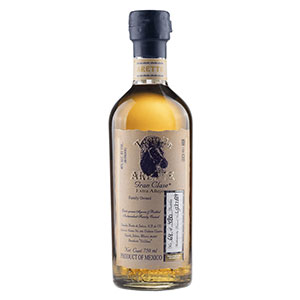 Arette Gran Clase Extra Añejo, 40%, $172
Aged for 3 years in American oak, this tequila is made with agave from another estate in Jalisco.
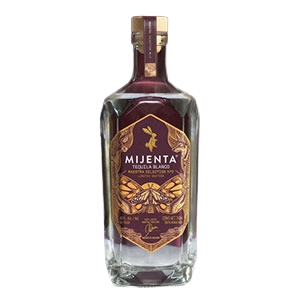 Mijenta Maestra Selection No. 2, 40%, $84
While not strictly a single estate tequila, this blanco blends single estate agaves taken from each of tequila’s five growing regions.