ADOBE EXPRESS

You don’t have to speak Spanish to be a tequila lover, but this great spirit does have its own extensive terminology, and it can only be fully understood if you know the basic terms. We’ve put together a glossary of frequently used words that you’ll hear when exploring the world of tequila—a compendium covering the various styles, regions, methods, tools, and other important aspects—that will help enhance your enjoyment and appreciation.
100% AGAVE A tequila made exclusively from blue Weber agave. Up to 1% of additives by total liquid weight are permitted. Those additives can include glycerin, jarabe sugar syrup, caramel coloring, and oak extract.
ADDITIVE-FREE The purest form of tequila; contains only agave, water, and yeast. However, the term additive-free is not officially recognized by the Tequila Regulatory Council (CRT) and cannot currently be used on labels or in advertising.
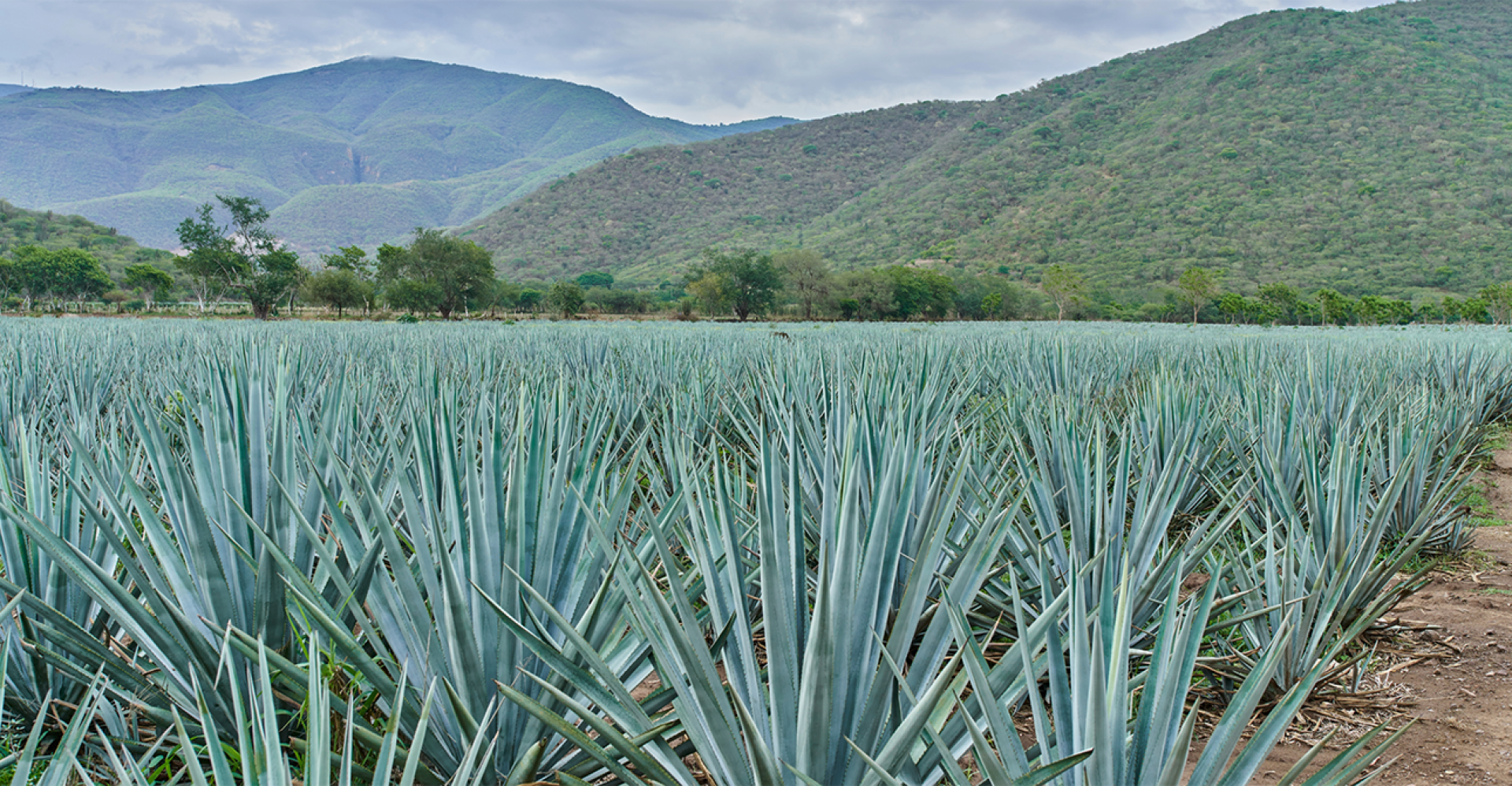
AGAVE The basis of tequila production, this large succulent plant is a member of the lily family. There are more than 200 types of agave growing in Mexico, but only the Weber azul (or blue Weber) variety can be used to make tequila. Agave plants take upward of seven years to fully mature for tequila harvesting. When mature, blue Weber agave will have spiky leaves that can reach up to 8 feet tall, with a large stalk in the center that can grow even taller and bloom flowers.
AGUAMIEL Meaning “honey water” in Spanish, it refers to the sweet sappy juice of the agave heart (piña) after it’s been cooked. The aguamiel is diluted and fermented to create mosto, which is then distilled to make tequila.
AÑEJO Spanish for “extra aged,” añejo tequilas must spend 1 to 3 years in oak barrels with a maximum capacity of 600 liters.
AUTOCLAVE A large stainless steel pressure cooker that uses steam to process large batches of raw piñas to ready them for fermentation. Autoclaves are faster and more efficient than traditional brick ovens, but require more careful monitoring due to the increased risk of overcooking.
BAGAZO The fibrous residue left after agave piñas are cooked, milled, and pressed. It can be used in the fermentation process to create richer flavor, but is often used as fertilizer, building materials, animal feed, and even fuel.
BLANCO Meaning “white,” it is tequila that is typically colorless and unaged, though it can be stored in stainless steel or new oak for up to 60 days. Blanco tequilas can also be called silver, plata, or platinum.
BLUE WEBER AGAVE Named for its blue-gray leaves, this agave species must be used in order for a distillate to be considered tequila.
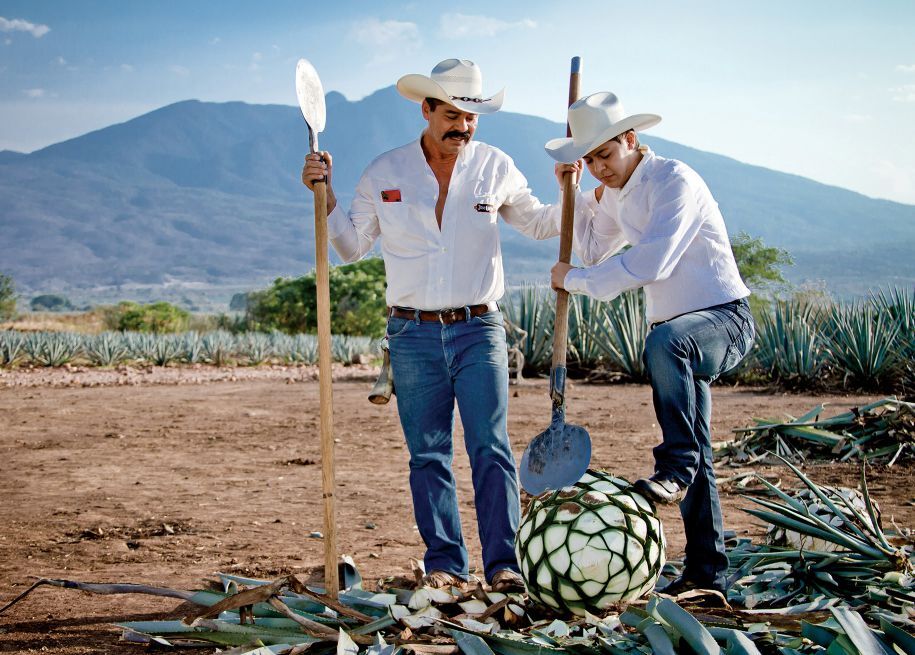
COA A long-handled spade-like tool with a sharp circular blade used by agave farmers, or jimadores, to harvest agave. The coa is used to trim the plant’s spiky leaves and remove the piña from its roots.
CRISTALINO An aged tequila that undergoes charcoal filtration to remove the color imparted by the barrels, while keeping most of the character of the spirit. It can be made from reposado, añejo, or extra añejo.
DENOMINATION OF ORIGIN (DOT) A geographical indication that identifies a product as originating from a specific region permitted to produce tequila encompassing 181 municipalities in five Mexican states: Jalisco, Michoacán, Guanajuato, Nayarit, and Tamaulipas. The DOT is a legal status that guarantees a tequila’s authenticity and quality, and is also referred to as Appellation of Origin (AOC).
EXTRA AÑEJO Sometimes known as “ultra-aged,” this is tequila aged for at least 3 years in barrels with a maximum capacity of 600 liters.
GOLD One of the five tequila types, this is a blend of blanco and reposado or añejo. Also called joven or oro.
HIGHLANDS An agave-growing region in Jalisco, Mexico, also known as Los Altos. The Highlands are roughly 7,500 feet above sea level, and have a cool climate and red clay soil that’s rich in iron. Agave plants grown here are often subject to more sunlight, resulting in a sweeter flavor profile.
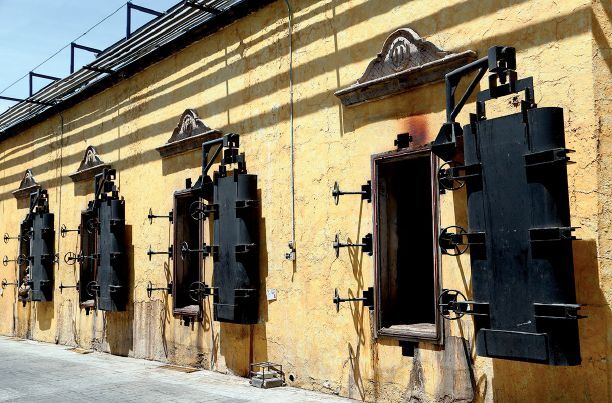
HORNO Translating to “oven,” the term refers to the various types of ovens used to cook agave prior to fermentation. The traditional “horno de tierra” involves a stone-lined pit in the ground. Modern tequila is often made using above-ground clay, brick, or stone ovens that incorporate steam to cook the piñas.
JALISCO A state in western Mexico where the majority of tequila is produced. Dubbed the heart of tequila production, it’s home to the spirit’s namesake town, Tequila.
JARABE A common additive, this sugar-based syrup—commonly made from agave, corn syrup, or cane sugar—can be added to sweeten tequila. JIMADOR Highly skilled farmer who grows and hand-harvests agave.
JOVEN Meaning “young,” this classification of tequila is synonymous with the gold designation and refers to a blend of unaged blanco with aged reposado or añejo tequila.
LOWLANDS In Jalisco, this agave-growing region has a warm, dry climate with mineral-rich volcanic soil that fosters quicker agave growth and more herbal, vegetal, and spice flavors.
MAESTRO TEQUILERO A master distiller of tequila. Female master distillers are called maestra tequilera.
MAGUEY The common name for the plant genus Agave. MEZCAL A general term for an agave-based spirit. Tequila is one type of mezcal but the word can mean other spirits too. There are more than 30 agave varieties that can be used to make mezcal, and it can be produced in nine Mexican states, with Oaxaca being the most well-known. Agave is often roasted in underground pits, which creates a smoky, earthy flavor.
MIXTO A legal classification of tequila that requires a minimum of 51% blue Weber agave but can contain up to 49% other fermentable sugars (typically corn or cane). Mixtos can be bottled outside of their appellation of origin. A tequila’s label does not need to identify it as mixto, but generally if the words “100% agave” are not on the label the tequila is a mixto.
MOSTO Fermented agave juice, composed of aguamiel and yeast, converts the sugars into alcohol. When the mixture is actively fermenting it’s often called “mosto vivo,”—living mosto—and when fermentation is complete it’s called “mosto muerto,” dead mosto.
NORMA OFICIAL MEXICANO/ NOM A four-digit code on all tequila bottles that identifies the distillery where it was produced. PENCA The long, spiky leaves of the agave plant. The “pencas de maguey” are removed from the piña for tequila production.
PIÑA Translated literally as “pineapple,” this is the large bulbous heart of the agave plant that’s harvested, roasted, and mashed to make tequila. A piña can weigh up to 150 pounds. Likening the agave heart to a pineapple is apt partly because of its appearance and shape, but also because it is the sweetest and juiciest part of the plant.
PLATA Another term for blanco, or unaged tequila.
QUIOTE The flower stalk that grows from the center of the agave plant. It generally emerges when the plant has reached full maturity, usually 7-15 years. Jimadores remove the quiote. If it’s left to grow it takes sugar from the piña, which reduces the amount of alcohol it can produce.
REPOSADO Tequila that has been aged for a minimum of 2 months and up to 1 year in oak barrels that do not exceed 600-liter capacity.
SABOR Meaning “flavor,” it is often used to refer to specific at-tributes in tequila, like sweetness or earthiness.
SILVER This is another term for blanco, or unaged tequila.
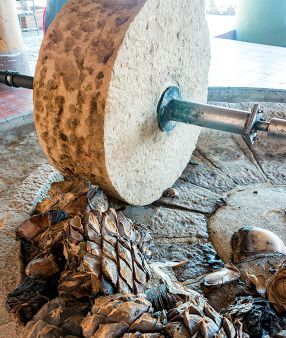
TAHONA A large wheel made from volcanic stone to crush cooked agave hearts and separate the juice from the fibers of the piña.
TEQUILA A distillate of blue Weber agave that can be produced in one of five designated areas: Jalisco, Michoacán, Nayarit, Guanajuato, and Tamaulipas. Tequila is made from the agave piña and must have an alcohol content between 35%- 55% by volume.
TEQUILA REGULATORY COUNCIL (CRT, CONSEJO REGULADOR DEL TEQUILA) Founded in 1994, this non-profit organization is the official Mexican body that maintains the country’s standards of tequila production. The CRT works with growers, distillers, and government officials to maintain the spirit’s authenticity and quality; it also conducts inspections to ensure producer compliance with Mexican standards for tequila. The CRT handles both NOM and DOT assessments and certifications.