
25 Bottles That Shaped the Last Quarter Century
Notable releases from the last 25 years
December 18, 2025 –––––– David Fleming
Here we present 25 whiskies that made their mark over the past 25 years. These are releases that captured the essence of the era for a variety of reasons, but most often because they broke new ground and manifested a spirit of innovation that has characterized the whisky scene since 2000. Some of the expressions were released just before then, but their biggest moments would come in the years that followed. These whiskies flow in no particular order, but instead serve as snapshots of the times. Release years are noted beside each.
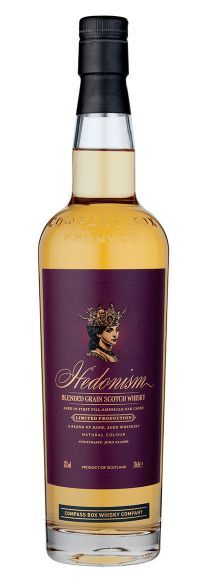
Compass Box Hedonism (2000)
No scotch blended grain bottling had ever won any major acclaim before Hedonism, and none have since. The debut whisky of London-based blending house Compass Box, it blended well-aged grain whiskies from distilleries including Cameronbridge, Girvan, and Port Dundas. Its highly artistic label (which broke tradition by featuring a female figure) was further indication that we were now entering a newly creative whisky era.
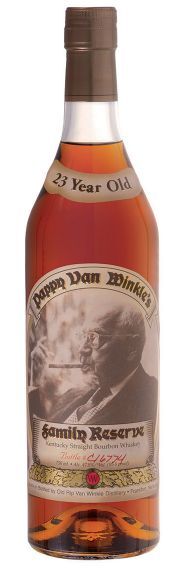
Pappy Van Winkle 23 year old (1998)
Like so many great success stories, Pappy Van Winkle began by going against the grain. When 1990s trends called for lighter drinks, Julian Van Winkle bottled ultra-aged whiskeys from Stitzel-Weller Distillery and elsewhere to create the Old Rip Van Winkle and Van Winkle Family Reserve lines. The oldest and most highly rated was Pappy 23, and it transcended the whiskey world to become a household name.
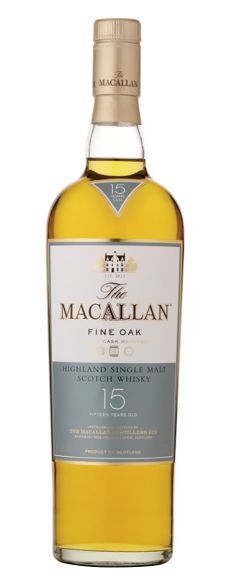
Macallan Fine Oak (2004)
This was a departure from Macallan’s reliance on sherry casks. A blend of single malts individually aged in three cask types—sherry- seasoned American oak, sherry-seasoned European oak, and bourbon—it introduced bourbon casks into the mix. The resulting whisky was a bit lighter in flavor and won a broader audience. Purists hated it, but it was a jolt into a new era. Rebranded in 2018 as Triple Cask Matured.
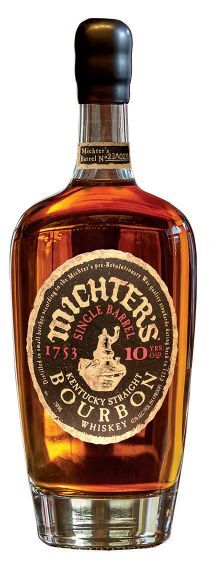
Michter’s 10 year old Bourbon (1990s)
Owner Joseph Magliocco resurrected this former Pennsylvania brand and transformed it into a Kentucky whiskey, buying aged distillate to launch one of the biggest stars of the era. His rye won plaudits, but so did the bourbon. Today Michter’s uses a low barrel entry proof—103 compared to the usual 125—to allow its whiskeys to extract more sugars from the barrel and create a smoother, more complex flavor.
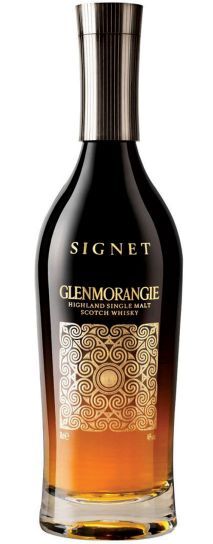
Glenmorangie Signet (2008)
One of the landmark luxury whiskies of its era, made from very old Glenmorangie stocks and credited with being the first scotch with a mashbill including roasted chocolate malt, normally used for stouts and porters, to add espresso flavor intensity to Glenmorangie’s signature lighter, fruity style. Showcasing the creativity of longtime whisky maker Dr. Bill Lumsden, its luxury status and flavor made it a major hit.
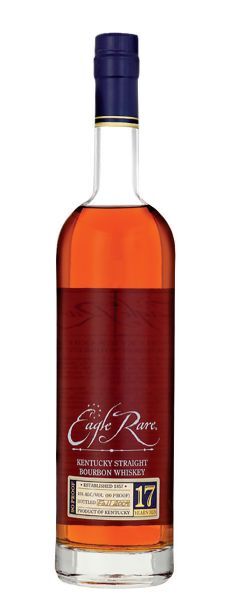
Eagle Rare 17 year old (2000)
Sazerac rescued Eagle Rare back in 1989, buying it from Seagram along with 17 other unwanted brands. But Sazerac had spotted a diamond in the rough in that deal: After it acquired the George T. Stagg Distillery in 1992, Eagle Rare came to be produced there. In 1999 Stagg Distillery was rechristened as Buffalo Trace, which used well-aged juice to create Eagle Rare 17 as part of the groundbreaking Antique Collection.
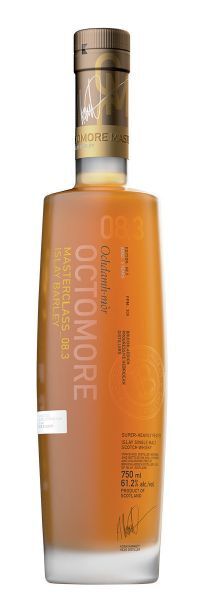
Octomore 8.3 (2017)
The peatiest Octomore ever released, breaking all records with a phenol parts per million (ppm) level of 309 and blowing away its rivals Ardbeg Surpernova (100 ppm) and Hypernova (170 ppm). While there was no real peat rivalry, the ppm comparisons created a fun playground for Islay fans. Last year, Octomore 15.3 came close at 307.2 ppm, but 8.3 still stands as the record holder.
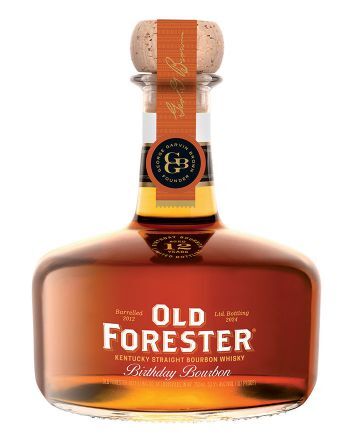
Old Forester Birthday Bourbon (2002)
A vintage-dated annual release (on September 2) to commemorate the birthday of the brand’s founder George Garvin Brown. The reception was quiet in the early years, even amid widespread critical acclaim. But by around 2010 the frenzy was building, and fans began lining up for hours to buy a bottle at the distillery. Today this unicorn label is mostly sold only via lottery, and still sells out quickly.
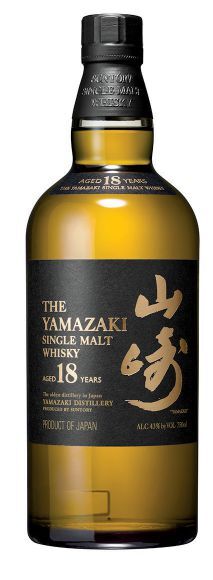
Yamazaki 18 Year Old (2004)
Hitting U.S. shores in 2004, just over a decade after Yamazaki 12 year old, this single malt from Suntory’s Yamazaki Distillery was acclaimed for its complex production process, involving ultra- aging in a variety of casks including sherry, bourbon, and mizunara. These were early days for Japanese whisky mania, but this whisky and others would soon lead a wave of enthusiasm in the U. S. and globally.
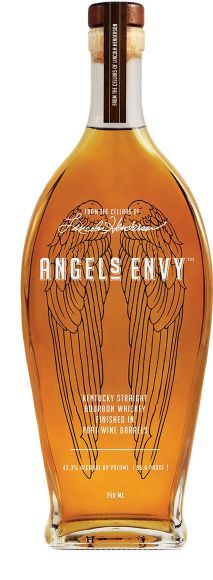
Angel’s Envy Port Cask Finished (2011)
The first label from this Louisville distillery founded by the late Lincoln Henderson and his son Wes. This was among the first bourbons with a secondary cask finish, aged 4-6 years in new charred oak and finished for up to 6 months in Douro Valley ruby port barrels. This release pushed the boundaries of bourbon making and pioneered the art of cask finishing in the bourbon space.
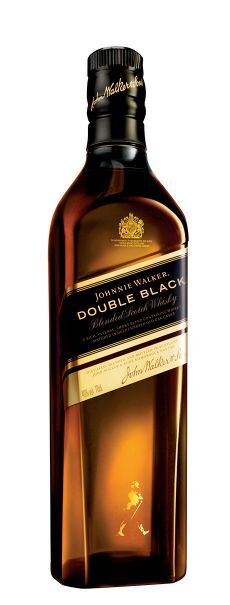
Johnnie Walker Double Black (2011)
In a period where lesser-known esoteric whiskies were getting so much attention from whisky lovers, legacy names like Johnnie Walker were striving to be at the top of their game. Johnnie Walker Double Black was the answer—a smokier, more intense version of Johnnie Walker Black—aimed at the growing legions of peat heads. It entered the U.S. as a limited release and soon became permanent.
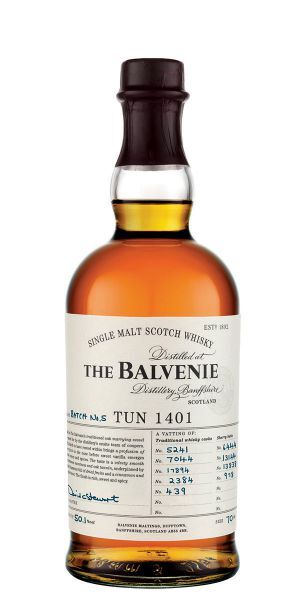
Balvenie Tun 1401 (2011)
Balvenie’s Tun 1401 Series was a richly intense single malt made with ultra-aged stocks from the distillery’s renowned Warehouse 24, some of which dated back to 1967. The series illustrated the importance of the blending process under then-master blender David Stewart. Widely acclaimed by U.S. drinkers and at a relatively attainable price of $250, the Tun 1401 whiskies became highly sought after. The series concluded in 2021 with Batch 1509.
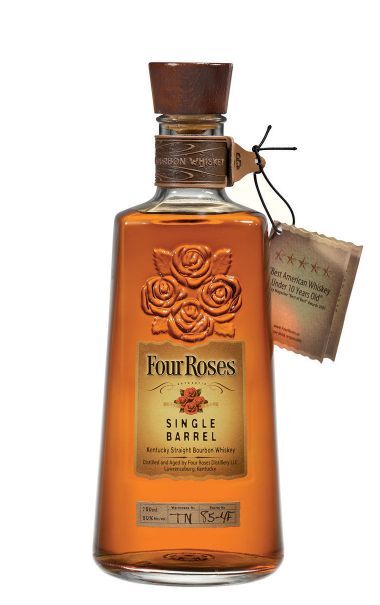
Four Roses Single Barrel (2004)
This release represented a major step in the resurgence of Four Roses in a new era under Kirin Holdings, following decades of neglect under long-time owner Seagram. Four Roses bourbon had already been brought back to the U.S. after a long exile overseas, and this expression further burnished the brand’s reputation. It wasn’t the first single barrel release, but it would play a major role in establishing single barrel’s popularity.
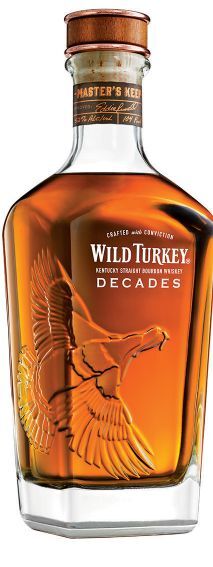
Wild Turkey Master’s Keep Decades (2017)
A celebration of master distiller Eddie Russell’s 35th year at Wild Turkey, curated by Eddie with input from his father, master distiller Jimmy Russell. This second Master’s Keep release blended bourbons aged 10 to 20 years—the oldest selected by Jimmy’s hand and the youngest by Eddie’s, symbolizing a passing of the torch. While Master’s Keep wasn’t Wild Turkey’s first luxury offering, this annual series planted a flag at the high end.
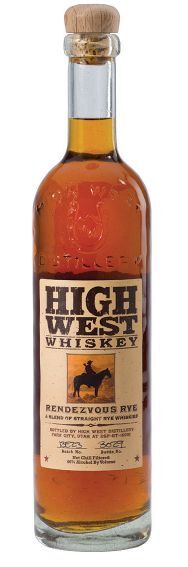
High West Rendezvous Rye (2006)
The debut whiskey from High West Distillery, its high-rye mashbill (95% rye and 5% malted barley) won raves from whiskey lovers more accustomed to low-rye offerings. It was also well aged, with some components at 16 years old. Even though the liquid was sourced from MGP, the buzz surrounding this one lifted the image of the craft movement and helped spark the rye boom.
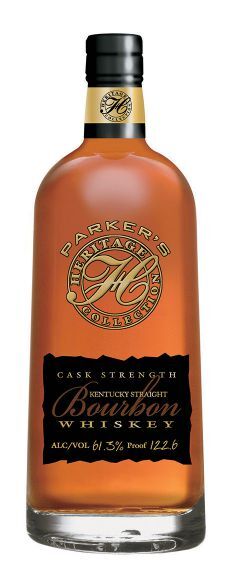
Parker’s Heritage Collection First Edition (2007)
The first in an annual series named for Heaven Hill’s then-master distiller Parker Beam: an 11 year old bourbon bottled at cask strength, new terrain for Heaven Hill. Distilled in 1996, it was among the last “pre-fire bourbons,” made just before Heaven Hill’s Bardstown distillery was destroyed by fire. Parker Beam would be struck down by ALS in 2017, making this series an even more poignant tribute.
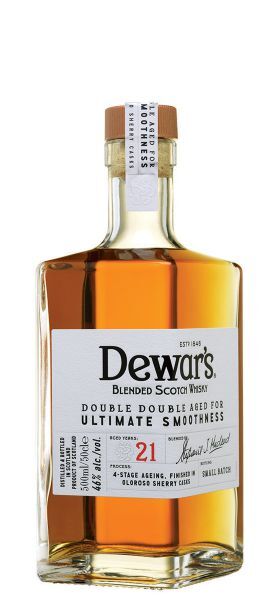
Dewar’s Double Double 21 year old (2019)
It was high time for Dewar’s to break out of the box, having long since lost its U.S. leadership in blended scotch to Johnnie Walker. In 2019 it came up with its Double Double series, starting with three ultra- aged whiskies, each finished in different types of sherry casks: a 21 (oloroso), 27 (palo cortado), and 32 year old (Pedro Ximénez). The whiskies were packaged in 375 ml diamond-shaped bottles and priced at $50.
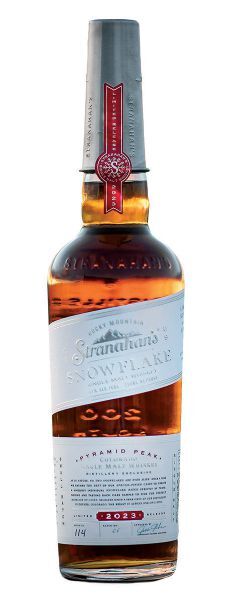
Stranahan’s Snowflake (2009)
While not the first American single malt (McCarthy’s has that honor), this Colorado distillery was a pioneer in the space. Founded in 2004, it was one of the first distilleries to focus entirely on the genre. Its Snowflake limited annual release became the ultimate cult craft whiskey, with people camping out to buy a bottle. That still happens today. It was also among the early craft distillers from Out West, helping Americans see whiskey as more than just a Kentucky or Tennessee product.
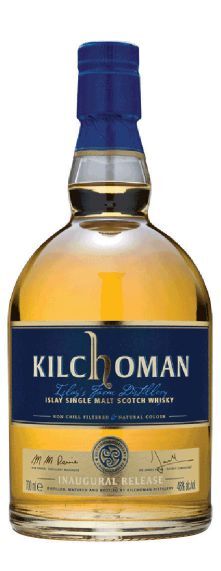
Kilchoman Inaugural Release (2009)
When Kilchoman began distilling in 2005, it became Islay’s first new distillery in over a century. This first release was aged just 3 years in bourbon casks and finished in oloroso sherry butts, a young whisky that tasted older and more complex than its years due to skillful cask selection. Kilchoman was also 100% produced on Islay, as this whisky maker lived up to its billing as a farm distiller.
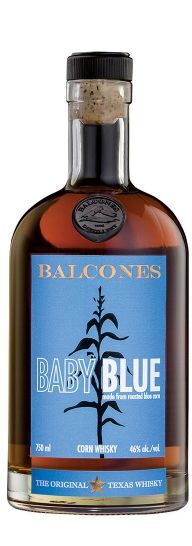
Balcones Baby Blue (2009)
The inaugural release from Texas distiller Balcones, pot distilled from a mashbill of 100% Texas-grown blue corn, a highly unusual choice at the time. The whiskey aged for at least 6 months in used mini-barrels (5 gallons) which, combined with the Texas climate, provided rapid aging and marked its identity as a Texas whiskey. Baby Blue garnered great attention, and it established Balcones as a whiskey trailblazer.
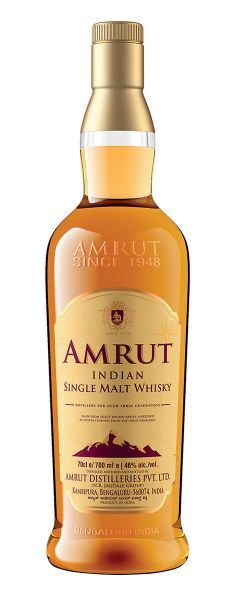
Amrut Single Malt (2010)
India’s first single malt to enter the U.S., after a successful run in the UK. Matured in the tropical climes of southern India, this was an exotic dram for whisky explorers, with an unusual tropical profile. Its acclaim paved the way for other Indian whiskies to arrive later, most notably Rampur, Paul John, and Indri, and it helped create a more global scope for single malt whisky.
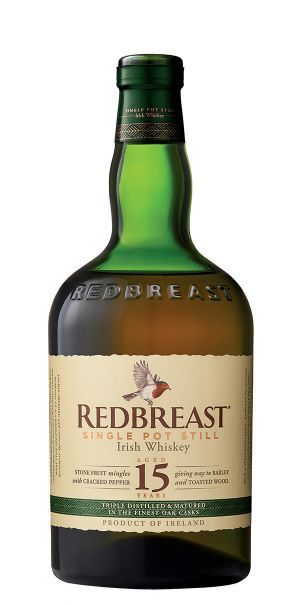
Redbreast 15 year old (2010)
First launched in Ireland and other markets in 2005, this one made its U.S. debut five years later. A limited, one-time only release at first, the 15 year old addition extended upward from the 12 year old, and would soon become permanent due to its very positive reception. The acclaim helped raise the profile of higher-end Irish whiskeys in general, and of Irish single pot still in particular.

Nikka Coffey Malt (2016)
A follow-up to the U.S. introduction of Nikka Coffey Grain, this 100% malted barley whisky was made in Coffey stills, giving it a uniquely creamy mouthfeel that was a hit with whisky drinkers. Oddly, it’s classified as a grain whisky despite the malted barley, because it’s not pot-distilled. Coffey Malt was an unconventional innovation that characterized much of the whisky renaissance, and it added to Japanese whisky’s allure.
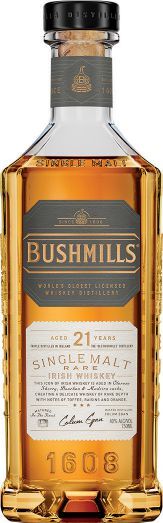
Bushmills 21 year old (2018)
Back in 2000, Bushmills had a far narrower approach to its lineup than it does today, the main focus being on Original and Black Bush, with aged expressions very much in the background. When this 21 year old joined the core range in 2018, it established a new age-statement high for the line, and also became part of a new Bushmills era of upscaling and innovation.
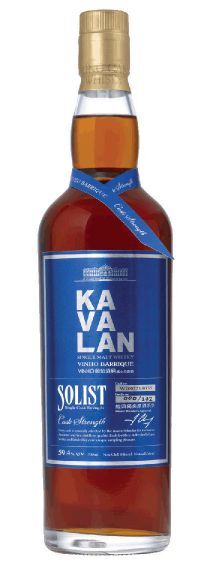
Kavalan Solist Vinho Barrique (2012)
Part of the Solist range of cask strength, single barrel, single malt whiskies showcasing a variety of cask types. This one, aged in shaved, toasted, and re-charred American oak casks that previously held red and white wine, was lauded for its intense concentrated fruit and tropical flavors. Solist was part of an impressive array of early releases that brought international stardom to Taiwan-based Kavalan, which had been making whisky only since 2006.