
Jim Beam To Halt Distillation At Clermont Distillery For 2026
The facility—responsible for Jim Beam, Knob Creek, Old Overholt and other labels—won’t distill any new whiskey next year
December 21, 2025 –––––– Danny Brandon
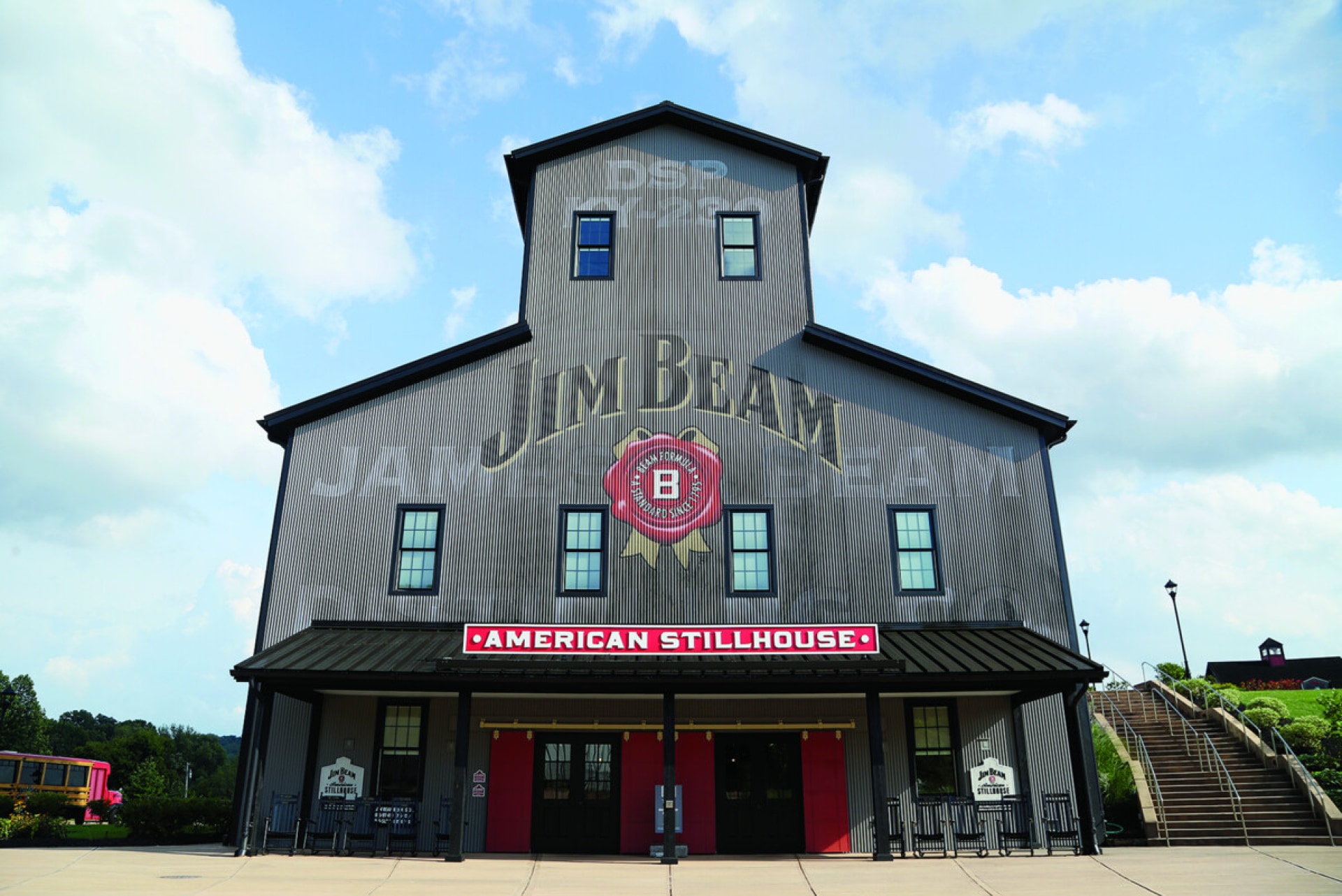
Yesterday, Kentucky whiskey heavyweight James B. Beam Distilling announced that it will be pausing production at its main distillery in Clermont for all of 2026. Warehousing and bottling operations will continue at the facility, but distillation will be taken offline through 2026. According to the company, the stoppage is aimed to adjust volume to meet consumer demand, while providing an opportunity for the distillery to invest in “site enhancements”, the details of which are undisclosed. Beam’s other Kentucky facilities—including its larger Booker Noe Distillery in Boston and smaller Fred B. Noe Distillery in Clermont—will continue to operate as normal.
Originally constructed in the mid-1930s following the repeal of Prohibition, the James B. Beam Distillery is the oldest of Beam’s three production facilities. Today it’s the heart of the operation, responsible for making liquid for several brands including Jim Beam, Knob Creek, Old Overholt, Basil Hayden, Booker’s, Old Grand-Dad, and others. It’s also a popular tourist destination, with expansive tours, a regular rotation of distillery events, private barrel tastings and selections, and food/drink options at a restaurant called The Kitchen Table. According to the brand, the tours and visitor experiences will not be impacted by the production change.
It’s undisclosed whether or not the production halt will impact any jobs on the production team. A brand spokesperson told Whisky Advocate that the distillery will “continue to assess how best to utilize our workforce during this transition,” and confirmed that it’s currently engaged in conversations with the union.
Adapting To The Landscape
Beam is far from the only outfit to scale back on production recently, with a slew of other producers engaging similar hiatuses. Throughout the year, Diageo made the call to suspend distillation at several at its facilities, including Cascade Hollow (maker of George Dickel Tennessee whiskey), Texas-based craft distiller Balcones, Roe & Co. in Ireland, Teaninich in Scotland, and its distillery in Lebanon, Kentucky that makes liquid for Bulleit. Brown-Forman made a similar move with two of its scotch whisky distilleries, Glenglassaugh and Benriach, which both saw layoffs as part of a transition to a “shared production model”. Irish Distillers also had a lengthy shutdown at its Midleton Distillery—producer of big-name Irish whiskeys like Jameson, Midleton, Redbreast, the Spots, Powers, and Knappogue Castle, among others—that was scheduled to run from April to summertime.
All of these production pauses have been strategic responses to the current state of the whisky market. As sales have slowed down considerably in the years following the pandemic, many distillers have been faced with an overstock of aging whisky barrels. Some producers, including Beam itself, have tried to move some of this inventory by including older liquid in their mainline releases—with examples including the new 7 year old Jim Beam Black, Eagle Rare 12, Old Fitzgerald 7 year old, and Old Grand-Dad 7 year old. Ceasing production is a far more drastic strategy, slamming the brakes on distillation and giving distillers a bit of breathing room to use up the barrels they already have before filling any more.
For Beam specifically, the decision was likely influenced by recent brand performances. Parent company Suntory Holdings saw its American whiskey sales get off to a slow start in the first half of the year, with both Jim Beam and Maker’s Mark (produced at its own facility in Loretto, Kentucky) down by single digits during that period. Those performances follow other slippages last year, which saw Jim Beam’s non-flavored whiskeys, Knob Creek, and Basil Hayden each lose between 3.9%–4.5% volume. All three of those labels are made at the main Clermont distillery, which is now pumping the brakes.