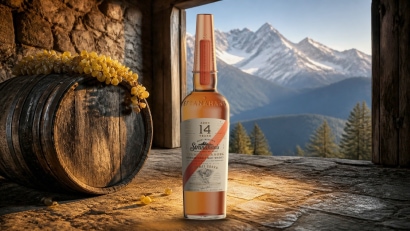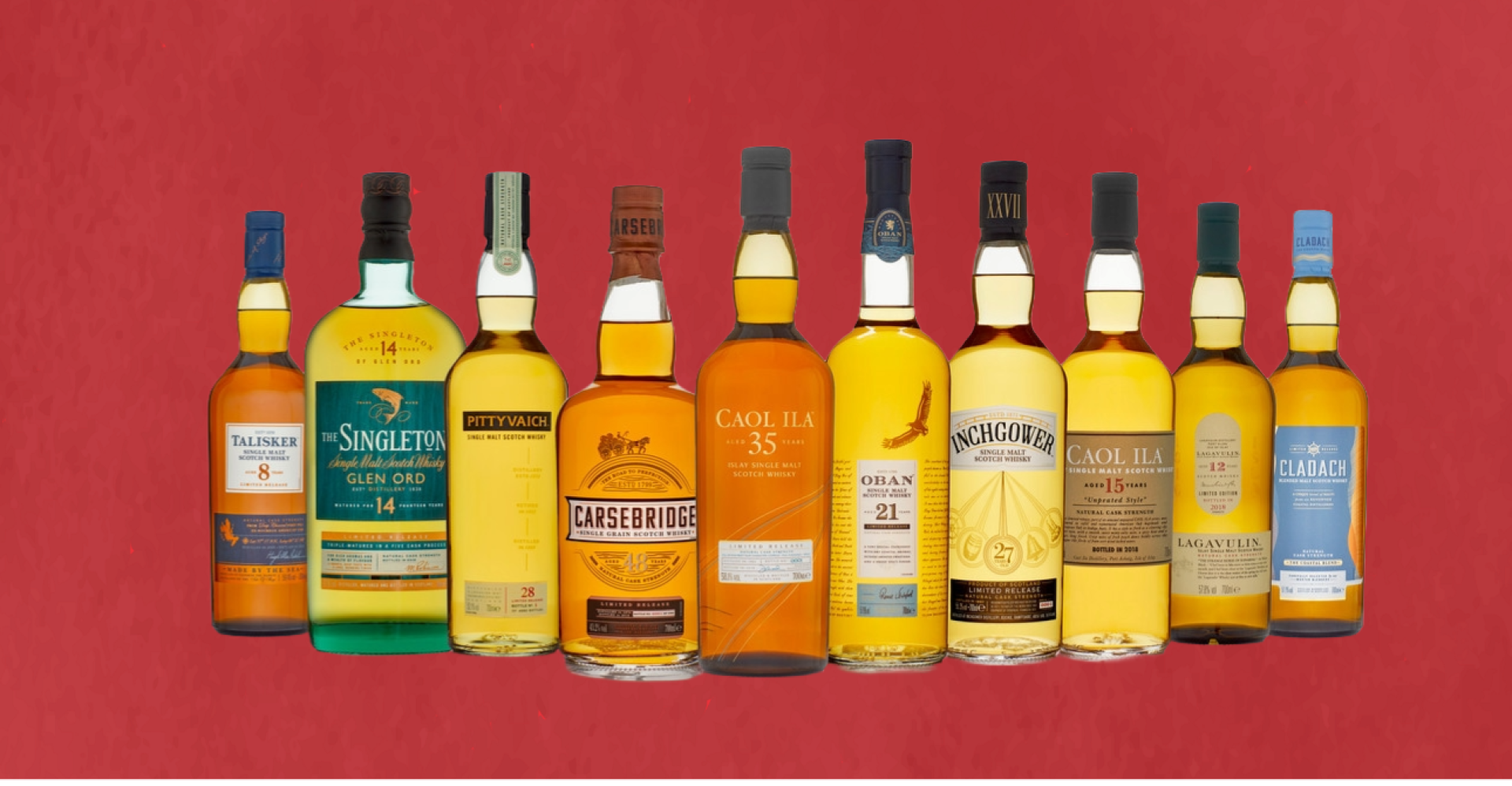
The 2018 Diageo Special Releases (pictured) was the first time Brora and Port Ellen were not included, but a debut blend, Cladach, was included.

Farewell to the Diageo Special Releases
Diageo recently announced the cancellation of its Special Releases program, which means the 2025 collection is its last. Here’s a look back at the Special Releases and how the collection evolved over the years
November 4, 2026 –––––– Jonny McCormick
For a quarter of a century, Diageo's Special Releases occupied a special place in the whisky calendar. Born in 2001 from a treasure trove of old and rare stocks, the annual collection gave enthusiasts something increasingly difficult to find in scotch: The chance to taste extraordinary whiskies at cask strength, discover forgotten distilleries, and explore familiar names crafted in unfamiliar ways. Those early releases of Port Ellen, Brora, Rosebank, Convalmore, and Glenury Royal helped turn lost distilleries into legends, while its more adventurous bottlings challenged perceptions of what Diageo's vast portfolio could offer.
Diageo Special Releases frequently sold out on the first day of release in the early years, with many scarce bottles showing up on the secondary market. Online platforms were relatively new at the time, but as flippers began to sell bottles for large sums, Diageo responded, boosting by prices sharply from 2012 onward. Nowhere was this more evident than with Port Ellen and Brora, whose cult followings were sustained by their Special Release appearances, helping to make the case for Diageo’s investment in reopening both distilleries in the 2020s.
The series captured important trends in scotch: non-age statement whisky first appeared in 2007, cask finishing in 2008, grain whisky as early as 2011, and the first blended malt in the series appeared in 2017. But time, inevitably, caught up with the concept. The great stocks dwindled, the ghosts of closed distilleries grew scarcer and more expensive, and the emphasis shifted from rare whisky to curated annual collections, brightly colored packaging, and increasingly imaginative cask experiments. The final years were far more radical than the beginning: yeast experiments; stone-spun, volcanic rock-toasted, and hybrid casks, mezcal cask finishing, and a single grain scotch made from rye. By the end, the previous year’s releases were still on the shelf by the time news of the next set rolled around. Now, with Diageo pulling the plug on the 2026 collection and citing the need to reconsider what whisky lovers actually want, the curtain has fallen, at least for now, on a series that helped shape modern collectible scotch.
Whether remembered for its extraordinary old whiskies, its increasingly adventurous experiments, or the occasional excesses of its marketing ambitions, Diageo Special Releases was never dull. It reflected the changing fortunes of scotch, sometimes leading the way, sometimes chasing the market, but rarely standing still. Twenty-five years later, it leaves behind a remarkable legacy of triumphs, curiosities, and occasional misfires, but also a willingness to take risks the wider industry could learn from.
Diageo Special Releases 2001–2025 in Facts & Figures
Total number of expressions: 219
Number of distilleries represented: 40
Number of closed distillery releases: 55
Oldest release: Port Dundas 1964 52 year old, 2017 Diageo Special Releases
Most expensive release: $3,500 for Port Ellen 1979 37 year old, 2017 Diageo Special Releases
Rarest release: Glenury Royal 1953 50 year old, 500 bottles, 2003 Diageo Special Releases
Highest ABV: Caol Ila 1998 10 year old, 65.8%, 2009 Diageo Special Releases
Most prolific distillery: Lagavulin (30 releases)
One-Hit Wonders: 10 distilleries featured only once (including three grain distilleries); Blair Athol, North Port/Brechin, Caledonian, Cambus, Carsebridge, Glen Spey, Inchgower, Knockando, St Magdalane/Linlithgow, and Strathmill