JEFF HARRIS

Wine Cask Finished Bourbons Are a Style Less Traveled
Though much more widely seen in scotch and other whisky styles, wine barrels are put to use in the bourbon world too
February 25, 2026 –––––– Julia Higgins
Take a look around the whisky world and you’ll find cask-finished expressions for just about every style. Much of this secondary maturation involves wine barrels. Scotch distillers, led by legendary malt master David Stewart at Balvenie, brought wine cask finishing to the modern era back in the 1980s. In the beginning, nearly all the casks used were from fortified wines, but by the early 2000s wine barrels of all sorts came into play in Scotland. But in American whiskey there wouldn’t be a whiff of wine cask finishing until 2011, when Angel’s Envy port-finished bourbon made its debut.
A proliferation of sherry and port-finished bourbons has since followed, but other types of wine finishing were mainly absent. Bardstown Bourbon Co. master blender Dan Callaway attributes this to problems with the seasoning of red wine casks. “It doesn’t matter if you have a cult Napa cabernet and the greatest bourbon—if you empty the wine barrel out and just leave the residual, it’s going to turn to vinegar,” he explains. “By the time you empty the barrels, coordinate shipping, transport them across the U.S., and then fill them, you’re aging your bourbon in vinegar barrels.”
While there’s a simple way to prevent such degradation of flavors from happening—rinsing the barrels clean—for Callaway that’s also not ideal. “The traditional solution is to rinse the barrels, but for us that’s not enough to influence [the whiskey],” he notes. Instead, Bardstown has its winery partners forgo rinsing and leave the dregs. Then the barrels are pumped with argon gas to displace the oxygen, wrapped in plastic, and shipped in a refrigerated truck. Once they reach Bardstown, they’re ready to be filled.
While the methods Bardstown Bourbon uses may be costly, Callaway still sees great potential for more wine cask finishing at the distillery, and is currently eying champagne and chardonnay finishes for Bardstown’s whiskeys. As of now, Bardstown has released California cabernet, red blend, and sauternes cask-finished expressions.
When seeking out wine barrels for bourbon finishes, Penelope Bourbon master blender Danny Polise begins with the wine itself. “I start by thinking about the flavors in the wine I’m drinking, and imagine how they would be if blended with whiskey,” he says.
Polise’s process always starts the same way: He takes a wine he believes will make for a superb cask finish, and blends it directly with the bourbon he wants finished to assess how the flavors interact. Thus far, the wine cask finishes he’s explored include tokaji (Hungarian dessert wine), vino de naranja (white wine from Spain that’s macerated with orange peel), and French rosé.
Unlike Callaway, who works directly with wineries when sourcing barrels, Polise uses a barrel broker to find finishing casks. By using one provider, he’s better able to identify exactly where the casks are coming from and ensure they’re being treated to his specifications. At Penelope, this means that barrels are fully emptied and rinsed, but not fully dried out.
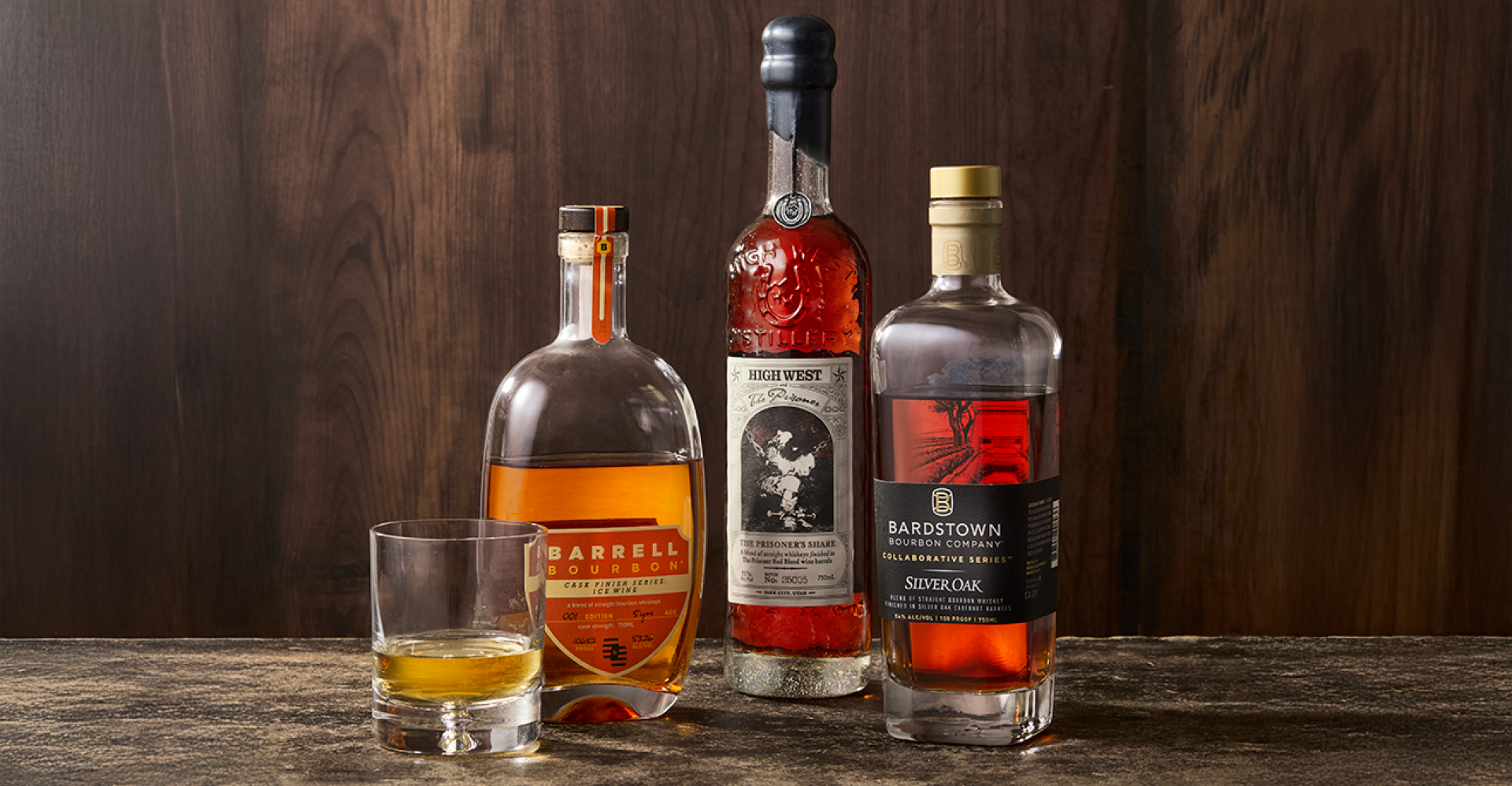
There’s a small contingent of American whiskey makers who don’t need to rely on brokers or partners. High West Distillery, for example, is owned by Constellation Brands, owner of The Prisoner wines; High West has used The Prisoner casks to finish its bour-bon-rye blend. Another example is Ammunition Whiskey & Wine, which specializes in red wine-finished bourbon and rye. Its lineup currently includes two California cabernet sauvignon-finished bourbons and a California pinot noir-finished rye—once Ammunition bottles its wines, the barrels are dumped, rinsed, sealed, and sent to Kentucky to be filled with the company’s whiskey for a minimum of 6 months. Ammunition co-founder Andy Wahl says ownership of a winery is a clear advantage in making wine cask-finished whiskeys, with a wide variety of barrels to choose from.
Wahl is among those who believe we’re on the cusp of seeing many more wine cask-finished bourbons ahead. “You’re starting to see a lot more outside-the-box creativity happening with different finishes,” he says. In pursuit of flavor, many American whiskey makers seem ready to take on the challenges that can arise from pursuing more niche wine cask finishes.
Wine Cask-Finished Bourbons to Try
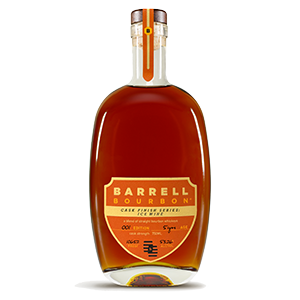 92 points - Barrell Cask Finish Series: Ice Wine (Batch 001), 53.26%, $90
Ripe berries, rose water, and vanilla frosting Finishing time not disclosed
91 points - Ammunition Cask Strength Cabernet Sauvignon Barrel Finished, 55%, $85
Musty and woody, with candied orange Finished for 6 months
91 points - Bardstown Bourbon Co. Collaborative Series Silver Oak Cabernet Barrel Finished, 54%, $160
Chocolate, graham cracker, and dark red fruit Finished for 17 months
91 points - Blood Oath Cabernet Franc & Merlot Cask Finished (Pact 10), 49.3%, $130
Mint, sage, pine, lemons, and peaches Finishing time not disclosed
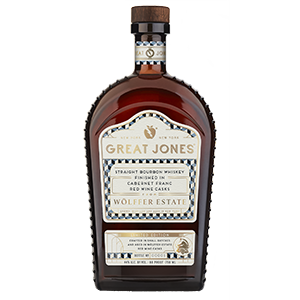 90 points - Great Jones Wölffer Estate Cabernet Franc Red Wine Cask Finished, 44%, $50
Orange candies, fruit cocktail, and pepper Finished for 1 year
89 points - High West The Prisoner’s Share Blend of Straight Rye and Bourbon (Batch 22G12), 51%, $175
Orange juice, peaches, and espresso powder Finishing time not disclosed
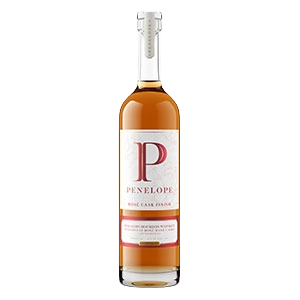 89 points - Penelope Cooper Series Rosé Cask Finished (Batch 07), 47%, $50
Clementine, cocoa powder, and dark berries Finished for 4 months